


From Guest Room to ‘Flex Space’: How Homeowners Are Rewriting the Rules of Domesticity
POLICY WIRE — Albuquerque, N.M. — A dedicated guest room, once a cherished hallmark of aspirational middle-class living, it’s increasingly becoming a luxury many American households can’t...

POLICY WIRE — Albuquerque, N.M. — A dedicated guest room, once a cherished hallmark of aspirational middle-class living, it’s increasingly becoming a luxury many American households can’t financially manage, or perhaps, don’t even desire anymore. Forget the quaint spare bedroom, complete with a doily-covered nightstand—a relic, really. Today, that space is metamorphosing, often into something far more pragmatic: a walk-in closet, a bustling home office, or even a compact mini-gym. It’s an unobtrusive pivot, unfolding room by room, driven by a potent cocktail of relentless economic pressures—skyrocketing housing costs, persistent inflation—and our ever-evolving lifestyles, which just don’t fit the old mold.
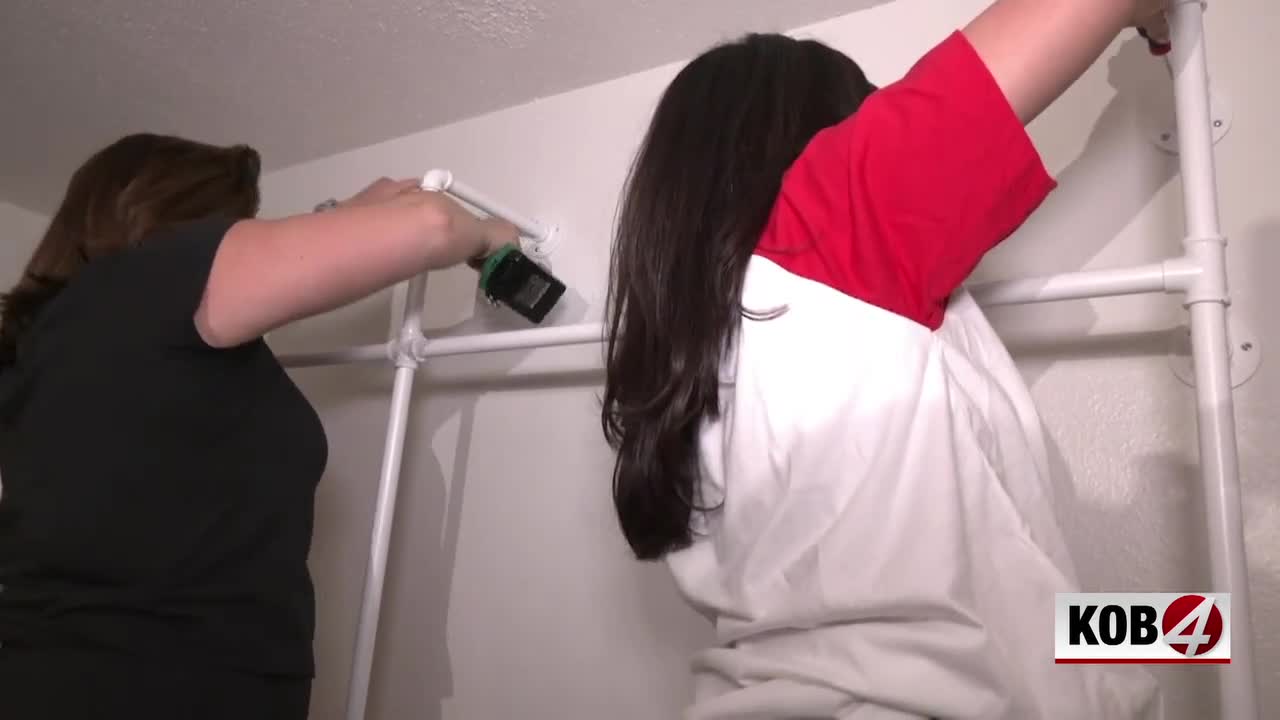
Behind the blaring headlines of soaring inflation and chronic housing crises, individual homeowners like Danielle Rodriguez of Albuquerque are making tough, yet incredibly ingenious, decisions. She recently swapped her seldom-used guest room for what she calls a ‘dream closet’ (a spatial ballet, if you will), a move that might strike one as trifling at first glance, but actually reflects a profound recalibration of domestic space in the 21st century. It’s less about sheer vanity, she argues, — and more about optimized living. And you know what? She’s got a point.
But not everyone sees it as simply a personal choice, however. Some view it as a symptom of broader socio-economic shifts. Is this resourceful adaptation, or merely a concession to shrinking affordability? You’d have to wonder, wouldn’t you?
“We’re seeing a fundamental re-evaluation of home utility,” observes Dr. Alistair Finch, an urban planning sociologist at the University of New Mexico. “The traditional ‘guest room’ model often meant significant square footage sat dormant 90% of the year. When housing costs are up 30% in just five years in many U.S. cities, that’s incredibly expensive dead space—a ghost limb in a home’s anatomy, if you like. People aren’t just renovating; they’re reconceptualizing what a home actually needs to be, what it *must* be.”
And yet, this trend isn’t tethered solely to the U.S. Far beyond the sun-drenched landscapes of New Mexico, similar transformations are taking root. In burgeoning megacities across South Asia, where space has always been a premium, the concept of multi-functional rooms isn’t new at all. Families in Karachi or Lahore, for instance, have long mastered the art of making a single room serve as a bedroom by night, a dining area by day, and a guest reception space when company arrives. Their innovations in modular furniture and flexible design offer a glimpse into a potential future for Western urbanites now grappling with similar spatial constraints, albeit from a completely different starting point.
It’s a stark contrast to the post-war era’s sprawling suburban fantasy. For generations, the idea of an unused room dedicated solely to transient visitors was a potent status symbol, a proud declaration of surplus. A weighty pivot, that. Today, for many, every last square foot must justify its existence—like a demanding landlord.
Stark, the math. A recent report by the National Association of Realtors found that the median existing-home sales price in the U.S. vaulted by 5.7% from March 2023 to March 2024, reaching $393,500. For first-time buyers, that figure often means compromising on size or foregoing ‘extra’ rooms entirely. Even for existing homeowners, equity may be high, but the cost of *moving* or *expanding* remains absolutely prohibitive.
“Make no mistake, this isn’t just about personal preference,” asserts Maria Elena Chavez, a city council member who sits on Albuquerque’s housing committee. “When a significant portion of our population is spending upward of 30% of their income on housing, every square inch counts, doesn’t it? People like Danielle aren’t just redecorating; they’re making shrewd fiscal maneuvers to adapt their existing assets to their current needs. It’s a form of resilience, yes, but also a clear signal that housing affordability remains a critical challenge we really must grapple with.”
Her sentiment underscores a growing realization that policy frameworks often trudge behind the lived realities of citizens. While city planners might hone in on zoning for new developments or affordable housing projects, the existing housing stock is undergoing its own organic evolution from within. It’s happening right now, whether we like it or not.
Related: Global Economic Fallout: Iran Tensions Threaten Mozambique, Rwanda Stability
What This Means
This unobtrusive pivot in domestic architecture—the guest room’s obituary—carries potent ramifications across urban planning, real estate, and social policy. Economically, it signifies a widespread scramble to wring out maximal utility from existing assets, easing pressure on household budgets without the prohibitive cost of moving or expanding. It also points to a maturation of the housing market, where the speculative ‘extra room for resale value’ mentality is giving way to practical, immediate needs. So there.
Politically, it should prompt policymakers to consider more flexible zoning laws that embrace multi-functional spaces, or even spurring creative retrofits within existing urban footprints. What’s the point of building new when current structures aren’t being used efficiently? Sociologically, it suggests a subtle fading of traditional hospitality norms, or perhaps, a reimagining of them. Will future guests simply sleep on high-end pull-out couches in living areas designed to be more expansive? (A grim thought for some, admittedly.) It’s not just about storage; it’s about acknowledging that the nuclear family unit and its spatial requirements are changing, morphing into something else entirely.
For urban planners, the trend poses some rather thorny questions about the very definition of a ‘bedroom’ or a ‘dwelling unit’ in future regulations. If a space can transition seamlessly from a closet to a home office to an occasional sleeping area, how should municipalities classify and tax it? No minor technicalities. They’re fundamental questions about how cities are built — and how people live within them, plain and simple.
Ultimately, this isn’t just a DIY fad. As Dr. Alistair Finch envisions, “The guest room, as a dedicated, seldom-used entity, is becoming an anachronism. We’re moving towards a model of highly adaptable, modular living spaces. Policy needs to get with the program, not just with how we build new, but with how we empower people to creatively and efficiently inhabit what they already have.” The future of home, it seems, is less about expansion and more about ingenious compression. Talk about getting creative with your square footage.