

Iran Reopens Strait of Hormuz: Global Oil Prices Plunge, Analysts Caution on Pre-Crisis Return
POLICY WIRE — Tehran, Iran — Global crude oil markets experienced an immediate and significant downturn following the announcement from Iran regarding the full operational resumption of the Strait of...

POLICY WIRE — Tehran, Iran — Global crude oil markets experienced an immediate and significant downturn following the announcement from Iran regarding the full operational resumption of the Strait of Hormuz for international maritime traffic.
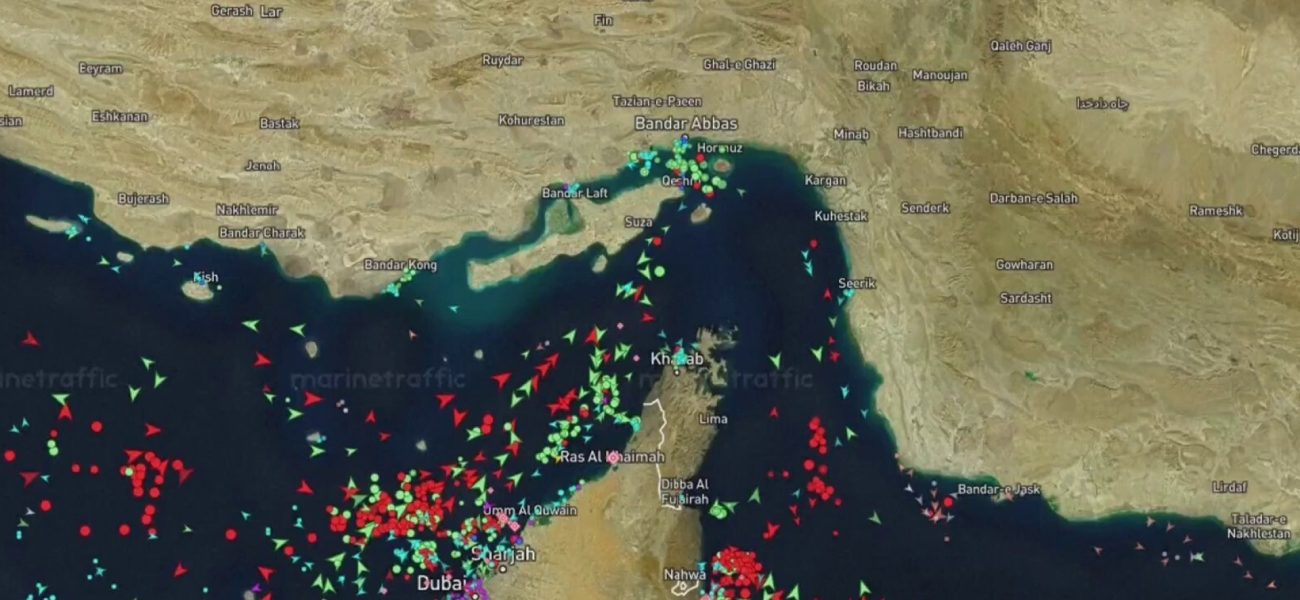
This critical maritime choke point, responsible for a substantial portion of the world’s petroleum shipments, had seen a period of disruption amidst heightened regional geopolitical tensions. The temporary closure had previously sparked considerable unease across global energy sectors and among oil-importing nations, prompting fears of an impending energy crisis.
Market Volatility and Expert Forecasts
While the immediate threat of supply interruption appears to have subsided, market watchdogs and energy experts are now closely scrutinizing the longer-term implications. Many industry analysts suggest that a complete restoration of oil prices to their significantly lower, pre-crisis benchmarks will not occur rapidly.
John Smith, a prominent energy analyst with Global Market Insights, commented on the situation. "Although the recommencement of full operations in the Strait of Hormuz undeniably contributes to market stabilization, underlying geopolitical uncertainties and existing supply-demand dynamics indicate that previous, lower price points won’t be reattained instantaneously. We anticipate a gradual market recovery rather than an abrupt rebound," Smith stated, reflecting a cautious but optimistic outlook within the industry.
Consumers may not observe an immediate reduction in fuel costs at the pump, even with this positive development. Furthermore, the prior disruption had strained international relations, leading to military deployments aimed at safeguarding maritime navigation in the area.
Read More: Strait of Hormuz Blockade: Global Economic Vulnerability Amid US-Iran Tensions
Geopolitical Ramifications and Energy Policy
The reopening signifies a notable diplomatic achievement in de-escalating volatility within the Middle East, yet its stability remains precarious. The broader energy landscape continues to be shaped by various factors, including regulatory environments and strategic decisions impacting fossil fuel production and distribution.
📄 POLICY WIRE WHITEPAPER PUBLISHED: PAKISTAN'S NATIONAL SECURITY POLICY PRIORITIES
👉 READ BY CLICKING HEREFor instance, recent judicial rulings in other regions have had a significant impact on industry players. The U.S. Supreme Court’s decision to bolster oil and gas firms in Louisiana environmental lawsuits underscores the complex interplay between legal frameworks and energy sector operations.
"The sustained reduction of global oil prices to their previous, lower levels requires more than just the reopening of a single chokepoint; it demands sustained geopolitical stability and a rebalancing of global supply and demand." — Policy Wire Analysis
The event underscores the persistent sensitivity of global energy markets to political events and regional stability, highlighting the constant need for vigilance from international policymakers and market participants alike.