


Strait of Hormuz Blockade: Global Economic Vulnerability Amid US-Iran Tensions
POLICY WIRE — Washington, D.C., USA — Following the recent breakdown of diplomatic discussions with Iran, the United States has initiated stringent new measures impacting maritime transit through the...

POLICY WIRE — Washington, D.C., USA — Following the recent breakdown of diplomatic discussions with Iran, the United States has initiated stringent new measures impacting maritime transit through the strategically vital Strait of Hormuz.
This development prompts an urgent examination into the potential repercussions for prominent economies across both Asia and Europe, particularly concerning any escalated impediments to navigation through this crucial waterway, which serves as a primary conduit for global energy supplies.
A significant question now emerges regarding which nations stand to lose the most during this escalating energy predicament.
Insights from a recent analysis by Japanese investment bank Nomura indicate that the geographic areas most susceptible to the heightened volatility within the Persian Gulf are predominantly Asian economies.
Assessing Regional Vulnerability to Energy Disruptions
The reliance of many Asian nations on imported oil from the Middle East means any disruption in the Strait of Hormuz could lead to significant economic instability. These countries face the prospect of increased energy costs and potential supply shortages.
The delicate balance of power in the Middle East, already strained by ongoing diplomatic challenges, is further complicated by these maritime restrictions. Nations with significant economic ties to the region, or those heavily dependent on oil transit through the Gulf, are particularly exposed to price volatility and supply chain disruptions.
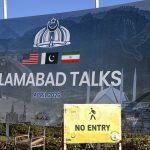
Concerns are growing over the stability of the Gulf states themselves, prompting renewed diplomatic efforts in the broader region to de-escalate tensions. Pakistan’s Diplomatic Push: Shielding Gulf States Amid Resurging US-Iran Negotiations.
📄 POLICY WIRE WHITEPAPER PUBLISHED: PAKISTAN'S NATIONAL SECURITY POLICY PRIORITIES
👉 READ BY CLICKING HEREFurthermore, major European economies also stand to be significantly affected, given their substantial energy needs and existing trade routes through this critical choke point. The cascading effects of higher oil prices and supply uncertainties could reverberate through global markets.
Understanding these vulnerabilities is crucial for international policymakers seeking to mitigate the economic fallout from geopolitical tensions in such a pivotal energy corridor.
Economic Preparedness and Strategic Responses
While some nations are exploring alternative energy sources or strengthening their reserves, the immediate impact of a sustained blockade remains a pressing concern for global economic stability. Measures to secure energy supplies are now taking on heightened importance for many countries heavily reliant on these critical shipping lanes.
Read More: Japan Pledges $10 Billion for ASEAN Nations’ Oil Crisis Response