

Islamabad Accords Spark Hope for Islamabad 2.0
Pakistan is receiving growing international recognition as a constructive mediator in global diplomacy after facilitating the historic Islamabad Peace Talks between the United States and Iran, with...
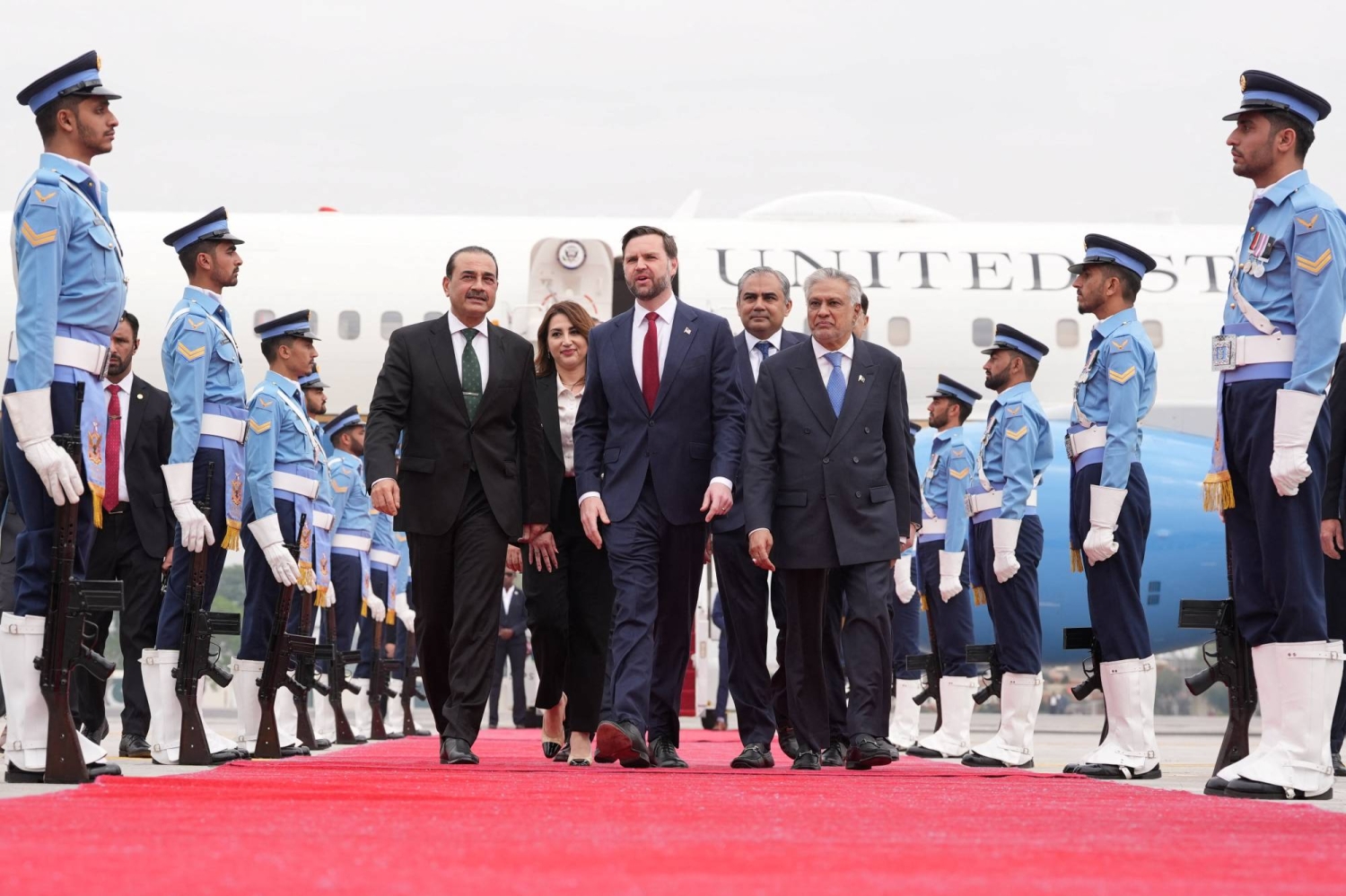
Pakistan is receiving growing international recognition as a constructive mediator in global diplomacy after facilitating the historic Islamabad Peace Talks between the United States and Iran, with both sides publicly acknowledging Islamabad’s role in enabling dialogue. The process was spearheaded by the country’s Deputy Prime Minister and Minister of Foreign Affairs Ishaq Dar, following the directions of the country’s Prime Minister Shehbaz Sharif and the Field Marshal Syed Asim Munir. US Vice President JD Vance, who headed the American delegation, praised Pakistan’s role, stating that the Pakistani side “did an amazing job” and adding that any shortcomings in the negotiations “weren’t because of the Pakistanis.” On the Iranian side, Foreign Minister Abbas Araghchi expressed “gratitude and appreciation” to Pakistan’s leadership, thanking Prime Minister Shehbaz Sharif and Field Marshal Syed Asim Munir for their “tireless efforts to end the war in the region,” while noting that Iran’s acceptance of the ceasefire came partly in response to Pakistan’s “brotherly request,” reinforcing Islamabad’s image as a trusted and effective bridge for peace between rival powers.
This was the first direct, high-level face-to-face meeting between the United States and Iran since the 1979 Islamic Revolution, nearly five decades without any official talks at this level. The Islamabad Accords, as many are now calling the weekend meetings, lasted more than 21 hours. They did not end with a full agreement, but both sides found enough common ground to keep talking.
There is now strong speculation that a second round of talks will take place soon. Many believe it could be “Islamabad 2.0”, back in Pakistan, or in another neutral venue chosen by both sides. Senior journalist Hamid Mir, speaking on Geo News on April 12, said clearly: “Per our information, while the talks in Islamabad didn’t yield a concrete result, both sides agreed to meet each other again… the time and place of which will be decided later.” He also reported that US Vice President JD Vance told the Iranians: “We won’t make any announcement on the media; there will be no media circus, but we can have another meeting.” Pakistan’s Foreign Minister Ishaq Dar added strong support, saying Pakistan “will continue to play its role to facilitate engagement and dialogue between the United States and Iran in the days to come.” These credible statements from Mir and Dar have given hope that the process is not over.
Pakistan’s Foreign Minister Ishaq Dar made this clear after the talks ended. He urged both countries to protect the two-week ceasefire that started on April 8 and said Pakistan would keep working for “lasting peace and stability in the region.”
Countries around the world are watching closely. Gulf nations have welcomed the current ceasefire but remain cautious, according to reports. China and Türkiye have already offered to help extend the ceasefire. This shows that the Islamabad Accords have caught the attention of the entire global community.
The biggest challenge remains the ceasefire in Lebanon. Iran says it will never abandon its allies Hezbollah and Hamas just to make a deal with America. According to Hamid Mir, a large part of the 21-hour meeting was spent on this issue. Yet Vance showed some flexibility, saying the US would also talk to Israel.
From the view of international relations theory, this meeting is very interesting. Realist thinkers believe countries care only about power and security. They see President Trump’s statements about the Strait of Hormuz as a classic power move. Iran, in the same way, is protecting its regional influence. But liberal thinkers see real hope in the talks and the possibility of another round. They argue that even difficult meetings build trust and create rules that can stop future wars. The two-week ceasefire, which Pakistan, Turkey, and China are now trying to extend, is a good example of this idea working. Constructivists would add that words and trust matter too. If both sides start seeing each other as partners who share the same problems, safe oil routes and calm in the Middle East, real change can come.
The speculation about a possible Islamabad 2.0 or another round of talks is the most positive thing to come out of the Islamabad talks. After decades of shouting at each other through the media or fighting through proxies, direct talks break that old wall. Pakistan has earned this global praise because it acted without asking for anything in return. This kind of quiet diplomacy is exactly what the world needs right now.
📄 POLICY WIRE WHITEPAPER PUBLISHED: PAKISTAN'S NATIONAL SECURITY POLICY PRIORITIES
👉 READ BY CLICKING HEREOf course, everyone must stay realistic. One meeting, or even two, cannot solve 50 years of problems. The nuclear issue, sanctions, and regional alliances are still very difficult. History shows many talks start well and then slow down. But the fact that both sides have already agreed in principle to meet again is important. The Iranian delegation even stayed longer in Pakistan to thank their hosts. This small act shows respect for Pakistan’s honest work.
The next few weeks will be the real test. If the ceasefire holds and the second round of talks takes place, whether as Islamabad 2.0 or in another venue, world may see real progress. If not, the region could face more danger. But for now, let’s give credit where it is due. Pakistan has shown leadership, maturity, and a true desire for peace. In a world full of conflict, that is something the whole world should celebrate and support.
Author