


Galway’s Gritty Triumph: Connacht Upsets Munster, Reconfigures Irish Rugby’s Power Dynamics
POLICY WIRE — Galway, Ireland — There are days in professional sport when the script just rips itself apart, throwing out all the carefully laid predictions. Friday night in Galway, facing down a...

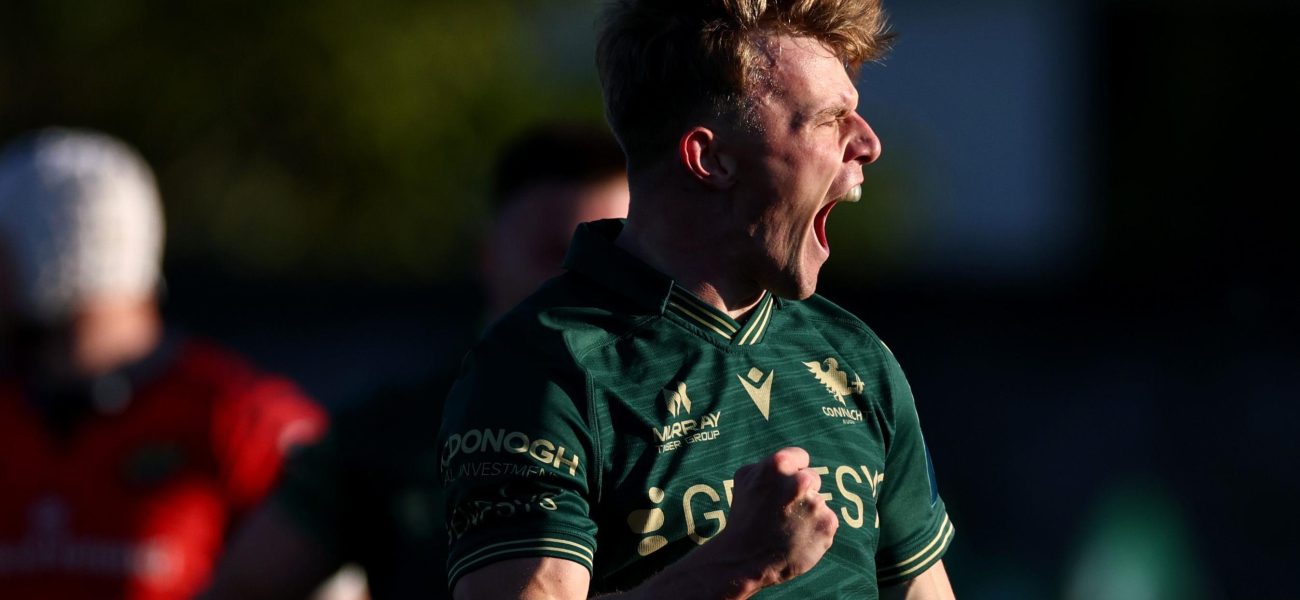
POLICY WIRE — Galway, Ireland — There are days in professional sport when the script just rips itself apart, throwing out all the carefully laid predictions. Friday night in Galway, facing down a bruised, but still imposing, Munster, Connacht did precisely that. They didn’t just win; they disassembled a local giant, making a convincing 26-7 statement that’s got the whole United Rugby Championship buzzing—and has everyone recalculating their playoff spreadsheets. And what a statement it was. Nobody, not really, expected this kind of domination, not with so much on the line.
It’s a gritty business, rugby, often unforgiving. But sometimes, just sometimes, the underdog sinks its teeth in — and simply won’t let go. That was the story at Dexcom Stadium. Sure, Munster came into this interpro clash missing half a squad – injuries are a cruel master, after all – but even so, the sheer, ruthless efficiency with which Connacht exploited those vulnerabilities raised eyebrows. This wasn’t some lucky bounce; this was calculated aggression and a clinical finish that leaves them breathing down Ulster’s neck for that final, elusive playoff spot.
From the first whistle, you could tell Connacht had a different gear. Ben Murphy broke the deadlock early, a good sign for sure. But then Diarmuid Barron got himself into hot water, a yellow card escalating into a full 20-minute red for an egregious hit on Dylan Tierney-Martin. It shifted everything. You just can’t hand an opportunistic side that much acreage. And they made ’em pay. Shayne Bolton and Shamus Hurley-Langton crashed over before halftime, sending Connacht into the sheds with a commanding 19-0 lead. Munster looked stunned. They weren’t used to this kind of public undressing.
“Look, we knew Munster were missing some big names, but you never underestimate them. Not ever,” remarked Connacht head coach Clayton McMillan, speaking after the game. “The lads kept their heads, stuck to the plan, — and frankly, they were just hungry. Real hungry. We smelled an opportunity, — and we seized it. That’s what it comes down to: opportunity and grit.” He’s not wrong. It’s that kind of unyielding resolve that can sometimes alter the course of an entire season, for better or worse.
Munster, meanwhile, couldn’t catch a break. A promising second-half try from replacement Alex Kendellen was chalked off by the TMO. Small margins, massive consequences. While Craig Casey eventually got them on the board late, Sean Jansen’s bonus-point score for Connacht, forcing his way over the line, was the final, devastating blow. It hammered home the point: Connacht wasn’t just here to compete; they were here to take names, collect points, and leave rivals contemplating their life choices. Their pursuit of that eighth spot is a tale as old as time, really: the spirited smaller entity challenging the entrenched order.
But how does an Irish rugby match tie into broader global dynamics, say, the developing sporting landscape in South Asia or the Muslim world? Think about the passion. The tribal loyalty these fans have for their provincial teams, steeped in regional identity and history, is strikingly similar to the fierce, almost sacred devotion followers exhibit for their cricket teams in Pakistan. From Karachi’s streets to Lahore’s grandstands, the national sport commands a fervent, all-encompassing attention, just as rugby grips these Irish communities. Success, or the tantalizing promise of it, breeds an infectious energy that can elevate a region, boosting local pride and, let’s face it, generating tourist euros and pounds. Sometimes, these unexpected surges from perceived underdogs resonate on a different level. It’s not just about sport; it’s about a narrative of defying expectations, of doing more with less—a story that holds significant sway across many cultural and economic spectra, including in nations where sporting achievements can become a huge point of national identity and diplomatic soft power. The commercial pressures, the high stakes of professional sport, it’s a global language.
“This result, it smarts, make no mistake,” confessed a visibly deflated Munster team manager, noting the lengthy injury list. “We came in with a plan, but when you lose players of that caliber, and then face a Connacht side playing with such ferocity, it’s always going to be an uphill battle. We need to regroup, recover, — and focus on the Lions. We’ve learned some harsh lessons today, and we’ll be better for it.” The kind of standard response, really, when your side’s just been outmaneuvered.
Next up for Connacht is Edinburgh; Munster will try to lick its wounds against the Lions. For the 2022-23 season, the URC reported a 38% increase in broadcast audience across its major territories, highlighting the league’s growing commercial reach and the fierce competition driving fan engagement (Source: United Rugby Championship Official Reports). This increasing visibility means more eyes are on these regional battles than ever before, and more money’s flowing through the ecosystem, influencing everything from grassroots funding to professional player recruitment. Every win, every bonus point, every surge up the table? It doesn’t just feel good; it pays good, too. You see, an unexpected win like this isn’t just a scoreboard entry. It’s a statement, loud — and clear, about shifting dynamics and the brutal beauty of competitive sport. It certainly creates a bit of a whirlwind ascension for the boys in green.
What This Means
This isn’t just about rugby; it’s about the politics of sporting power — and regional pride in Ireland. Connacht, often seen as the plucky outsider province compared to the more historically dominant Leinster and Munster, striking such a blow isn’t merely a playoff boost—it’s a declaration. Economically, playoff rugby brings significant revenue: increased ticket sales, merchandise, and a bump for local hospitality in Galway. Politically, success fosters a renewed sense of regional identity — and cohesion. For fans, it’s bragging rights, of course, but it’s also proof that with a clear strategy and a fierce belief, even the smaller operations can disrupt the established hierarchy. When the Davids beat the Goliaths, it serves as a powerful reminder for policymakers and investors alike that ‘underdog’ often just means ‘underestimated potential.’ The emotional investment in such a win can have ripple effects far beyond the stadium walls, injecting confidence into the local populace, even inspiring kids to pick up a ball. It’s a localized policy win for a sport trying to broaden its base and solidify its economic footprint against bigger, flashier European leagues.