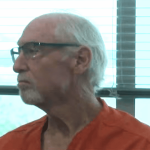


Bail Granted in Christian School Abuse Case, System Under Scrutiny
POLICY WIRE — Albuquerque, New Mexico — A stark illustration of the chasms in public trust—and the often-frustrating machinations of the justice system—unfolded here this week. A teacher from Hope...

POLICY WIRE — Albuquerque, New Mexico — A stark illustration of the chasms in public trust—and the often-frustrating machinations of the justice system—unfolded here this week. A teacher from Hope Christian School, a man facing no fewer than 16 felony counts for alleged sexual abuse involving his students, walked out of custody. He’s free on bond, a procedural fact that’s done little to temper the simmering outrage, instead fueling a deeper, more corrosive cynicism among the community members who put their faith—and their kids—in that institution.
It’s not just a teacher; it’s a systematic betrayal, whispered residents in hushed, angry tones. Sixteen allegations. Children, we’re told, were victims. And he’s out. It beggars belief, doesn’t it? The sheer audacity of the situation just grinds on folks.
Prosecutors, caught between legal due process — and a rightfully incensed public, are left explaining the mechanics. Bail isn’t acquittal; it’s merely a condition of pre-trial release. But that explanation lands with a thud in a community reeling from these charges.
“This isn’t about immediate guilt or innocence in the courtroom’s eyes right now; it’s about constitutional due process,” stated District Attorney Melinda Sanchez, her voice tinged with the weary resignation of someone accustomed to public ire. “But I won’t pretend it sits well with us, or with the parents whose lives have been upended. These cases—child sexual abuse—they’re profoundly difficult to prosecute effectively, requiring an unbearable emotional toll from those who’ve suffered. That’s a stark reality many don’t grasp until they’re in the middle of it.” Her words offered little comfort to those picturing a perpetrator at large, however temporarily.
Because, for many, the mere specter of the accused walking freely sends a chilling message. Parents had entrusted the school with their children’s safety, their moral upbringing even. That trust? It’s absolutely fractured now. Local advocacy groups are already mobilizing, pushing for tougher bail laws for alleged child abusers. This isn’t just an Albuquerque problem; it’s a global call for vigilance.
Reports from the Bureau of Justice Statistics indicate only about a quarter of alleged child sexual abuse cases ever lead to a conviction, a sobering statistic that highlights the arduous path to justice for survivors and the immense difficulties faced by law enforcement and prosecutors in these deeply sensitive matters.
And let’s not forget the institutional aspect. Hope Christian School, once a pillar of community values, now finds its very name an irony. What assurances can it offer? What measures are being put in place? The questions are coming, hot and heavy, not just from the immediate vicinity, but resonating with similar concerns about institutional accountability that ripple across educational and religious organizations globally.
“When trust is shattered like this within an educational setting—a place that should embody safety and moral rectitude—it sends tremors far beyond the immediate neighborhood,” offered Dr. Omar Hussain, director of the Universal Child Safety Alliance, which tracks such incidents. “It reminds communities worldwide, from here to Karachi and Kuala Lumpur, that vigilance over our children is a constant, shared responsibility, no matter the institution’s name or its stated mission. Our children, irrespective of their background or creed, deserve robust protection.” Hussain’s comment wasn’t an accusation but a lament for a universal failing.
But how do we bridge that gap between legal technicality — and moral indignation? It’s a tightrope act. The accused has a right to defend himself, yes. We have a system built on that principle. But sometimes, that system feels awfully cold to those it purports to protect.
It’s why you’re seeing calls for systemic reform—from legal aid for victims to stricter guidelines for bail in cases involving egregious child abuse allegations. The outcry is raw, and it’s potent.
What This Means
The release of an individual facing such grave charges sends uncomfortable political ripples throughout the local landscape, and beyond. Locally, expect renewed pressure on elected officials, particularly district attorneys and state legislators, to revisit existing bail laws and protocols, especially concerning crimes against children. It’s a low-hanging fruit for political campaigns, but also a legitimate cry for reform. Voters won’t tolerate what they perceive as a failure to protect the most vulnerable; this could easily sway local elections in the coming cycle.
Economically, the impact is more nuanced but no less real. Hope Christian School faces significant reputational damage, almost certainly impacting enrollment — and donations. Legal battles, separate from the criminal proceedings, are all but guaranteed, bringing substantial financial strain—think civil lawsuits, not just the criminal defense. Beyond the school, there’s an erosion of faith in private education sectors more broadly, perhaps pushing parents toward public alternatives or intensifying scrutiny of all faith-based educational models, irrespective of their actual conduct. Such incidents have, historically, led to tightened regulatory frameworks and increased oversight costs for educational institutions, potentially altering the competitive landscape for years.
More globally, this case, like others that spotlight failures in child protection within religious or educational institutions, fuels ongoing international conversations—and debates—around safeguarding children. Organizations concerned with human rights and child welfare, many with strong roots in regions like South Asia and the broader Muslim world, regularly highlight the universal need for accountability. These incidents, though localized, resonate with calls for unified, global standards to prevent abuse and ensure justice, serving as reminders that vigilance must span borders and beliefs. (Source: U.S. Bureau of Justice Statistics)