Indian Illegally Occupied Jammu and Kashmir
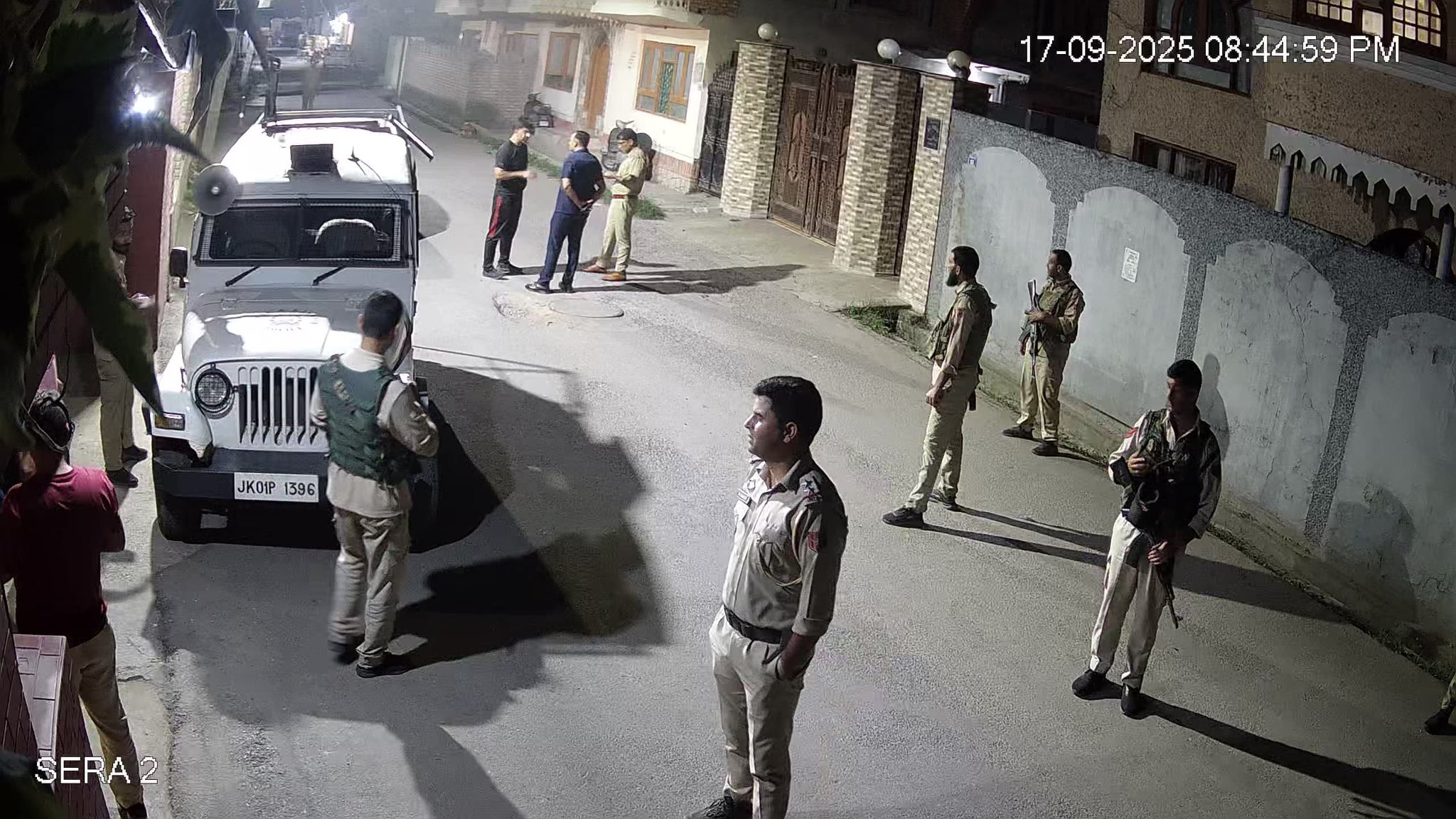
The valley of Kashmir is once again drenched in grief. In Bandipora, a district of Indian Illegally Occupied Jammu and Kashmir (IIOJK), the custodial killing of a young man, Firdous Ahmed Mir, has...

The valley of Kashmir is once again drenched in grief. In Bandipora, a district of Indian Illegally Occupied Jammu and Kashmir (IIOJK), the custodial killing of a young man, Firdous Ahmed Mir, has sparked waves of anger and sorrow. He was taken by Indian forces under the pretext of questioning, but returned as a martyr. His death is not the first, and tragically, it will not be the last. For decades, Kashmiris have been subjected to arbitrary detentions, custodial torture, and extrajudicial killings. Yet, instead of silencing them, these sacrifices have kept the flame of resistance alive, reminding the world that the Kashmiri struggle for freedom is far from over.
The streets of Bandipora filled quickly with protesters after the news of Firdous’s killing spread. Old men, women, and young children carried his funeral bier, chanting slogans for freedom. Their cries echoed across the valley, a painful yet powerful reminder that no amount of repression can extinguish the spirit of a people determined to decide their own destiny. Every time the Indian state uses force, it deepens the wound and makes the demand for self-determination even stronger. Firdous’s sacrifice, like those of countless martyrs before him, becomes part of the collective memory that fuels this movement.
The reality is stark. The Indian government has turned IIOJK into the world’s most militarized zone. Over 900,000 soldiers are deployed against an unarmed population of eight million. Arbitrary arrests under draconian laws like the Public Safety Act (PSA) and Unlawful Activities Prevention Act (UAPA) have become a norm. International watchdogs, from Amnesty International to Human Rights Watch, have repeatedly documented how the Indian state systematically uses torture, sexual violence, and media blackouts to control the region. Yet, despite all this, the Kashmiri spirit has not been broken. Instead, the soil of Kashmir has been sanctified by the blood of martyrs like Firdous.
At the same time, however, a dangerous game is being played. India, fully aware that its narrative of “normalcy” in occupied Kashmir has no credibility, seeks to sow division on the other side of the Line of Control. In Azad Jammu and Kashmir (AJK), the people enjoy basic freedoms—free press, political participation, and the right to protest. But instead of acknowledging this contrast, there are attempts to create chaos under the guise of rights movements. Certain elements are deliberately being pushed to divert attention from the real battlefield of freedom: the occupied valley.
It is crucial to understand this strategy. By fanning internal discord in AJK, the aim is to weaken the moral high ground that Kashmiris have earned through their sacrifices. India knows that as long as AJK continues to stand as a living example of self-governance and relative peace, the international community will question New Delhi’s claims in occupied Kashmir. This is why propaganda is manufactured to equate AJK with IIOJK, despite the clear difference in reality.
In Azad Jammu and Kashmir, citizens elect their representatives, political parties campaign freely, and institutions function within a constitutional framework. There is no comparison between the democratic environment of Muzaffarabad and the suffocating militarized silence of Srinagar. Where in IIOJK, mothers wait endlessly for sons who never return from custody, in AJK, families see their children attending schools, universities, and growing up with hope. Where in Bandipora, young men are carried on shoulders as martyrs, in Mirpur, young men are seen carrying books and degrees, building lives and careers. This is not to say AJK is without flaws, but even its challenges are debated openly, without fear of midnight raids or enforced disappearances.
The people of IIOJK, including martyrs like Firdous, are not demanding luxuries. They are demanding what is guaranteed to them under international law: the right to self-determination as enshrined in numerous UN Security Council resolutions. They are demanding the same dignity, freedom, and voice that their brethren across the Line of Control already enjoy. If India truly believed in democracy, it would not be afraid of letting Kashmiris speak for themselves through a free and fair plebiscite.
The latest tragedy in Bandipora is therefore not an isolated event. It is part of a long chain of sacrifices that connects generations. From the martyrs of 1931 who stood against the Dogra regime, to those who resisted Indian occupation after 1947, and to the present-day youth who continue to fall to bullets and torture, the story remains the same: Kashmiris have never accepted subjugation.
📄 POLICY WIRE WHITEPAPER PUBLISHED: PAKISTAN'S NATIONAL SECURITY POLICY PRIORITIES
👉 READ BY CLICKING HEREThe contrast between IIOJK and AJK must be highlighted clearly. One side is shackled by barbed wires, checkpoints, and mass graves. The other side, though not perfect, demonstrates what life with dignity looks like. In AJK, political debates may sometimes get heated, protests may emerge, but these are signs of a functioning democratic space. In IIOJK, the very act of protest is treated as terrorism, and even peaceful slogans of freedom invite bullets.
The martyrdom of Firdous Ahmed Mir has once again reminded us that the Kashmiri struggle is not about land, but about people—their rights, their identity, and their future. His sacrifice keeps the movement alive and exposes the failure of Indian repression. And when the world compares the suffocating silence of Srinagar with the bustling streets of Muzaffarabad, the truth becomes undeniable: freedom is the only path to peace.
In the end, the real tribute to martyrs like Firdous lies in resisting attempts to equate the enslaved with the free. Azad Jammu and Kashmir stands as a testimony that Kashmiris can govern themselves, preserve their culture, and live with dignity. Occupied Kashmir, on the other hand, remains a bleeding wound, sustained by sacrifices that the world must no longer ignore.
Author