

India’s Foreign Policy Is Paying the Price for Modi’s Optics-Over-Substance Diplomacy
When Donald Trump signed an executive order on Friday imposing a staggering $100,000 annual fee on H-1B visas — effectively pricing out Indian tech professionals — New Delhi’s response was muted,...

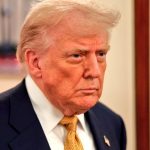
When Donald Trump signed an executive order on Friday imposing a staggering $100,000 annual fee on H-1B visas — effectively pricing out Indian tech professionals — New Delhi’s response was muted, almost resigned. For a government that prides itself on “global leadership” and international stature, the silence was telling. The H-1B program has been the backbone of India’s IT success story, with nearly 70 percent of its beneficiaries being Indian. The change is poised to uproot families, shrink remittances, and throw India’s $245 billion IT services export sector into uncertainty. And yet, Prime Minister Narendra Modi’s foreign policy establishment has failed to even register a meaningful protest.
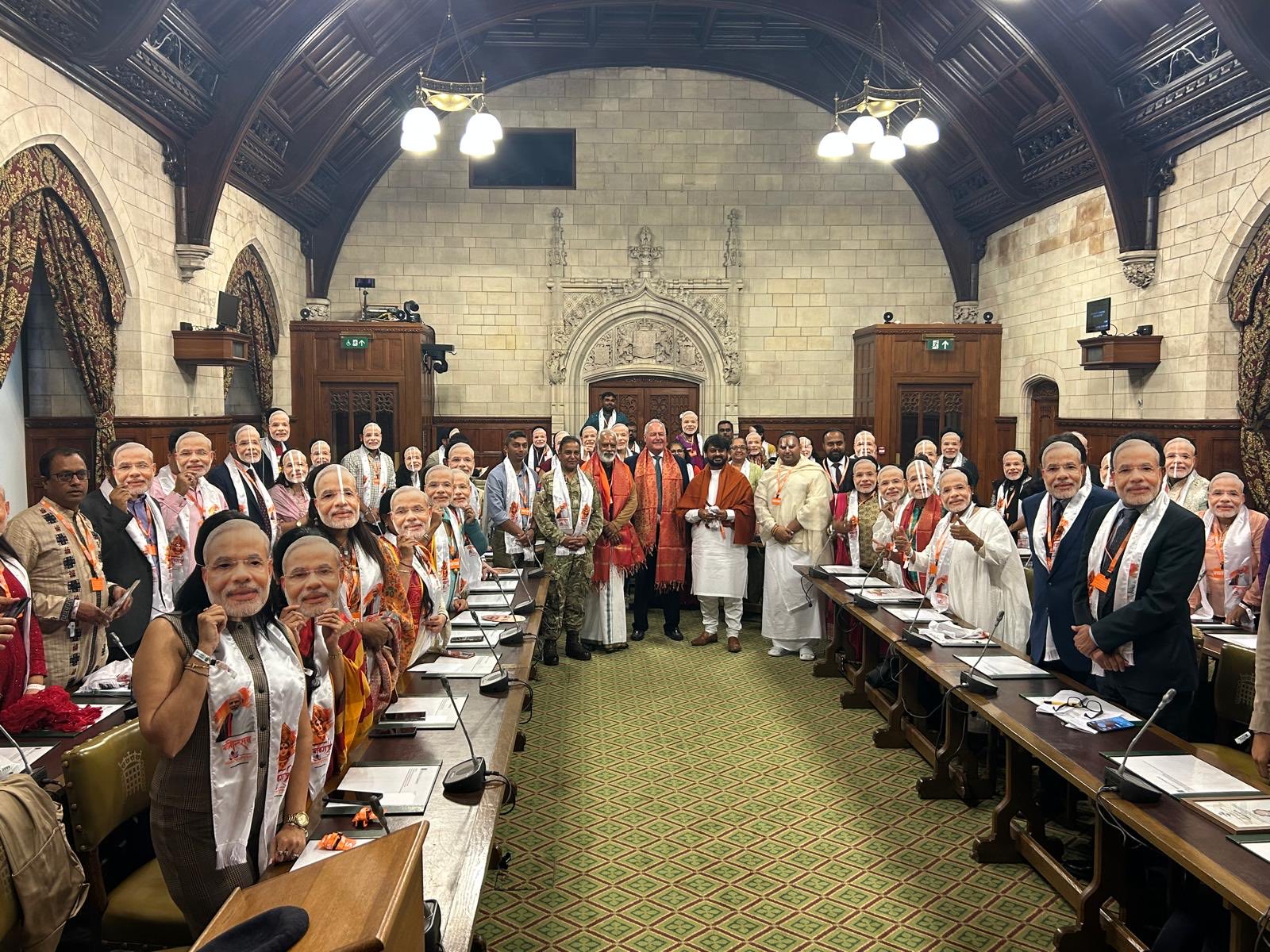
The Congress party wasted no time in calling out the Prime Minister, with Rahul Gandhi accusing Modi of being a “weak PM” and Mallikarjun Kharge dismissing his foreign policy as little more than “bear hugs, hollow slogans, and loud optics.” The criticism is not unfair. Over the last decade, Modi has built an entire foreign policy persona on spectacle — Madison Square Garden events, Howdy Modi rallies, grand hugs with world leaders — while delivering little in terms of substantive agreements that actually protect Indian interests.
Take trade, for instance. India lost its Generalized System of Preferences (GSP) status under Trump in 2019, costing Indian exporters hundreds of millions annually, yet the Modi government had no strategy to either negotiate a reinstatement or secure alternate preferential access. India’s free trade agreement negotiations with the EU dragged on for years, and its much-hyped “decoupling” from China has led to soaring trade deficits with Beijing, not reduced dependence.
On the security front, the story is no better. India remains locked in a dangerous border standoff with China in Ladakh with no clear resolution, even as Chinese infrastructure and military build-up in the region continue unchecked. Modi’s personal diplomacy with Xi Jinping — the infamous “Wuhan spirit” and “Mamallapuram summit” — achieved little beyond photo-ops, and left India flat-footed when the PLA crossed the Line of Actual Control. Although Modi tried to gain some face-saving in the recent effort to get closer to China, but only earned the title of a time server, untrustworthy partner.
India’s ties with Canada are at an all-time low, with diplomatic expulsions, visa suspensions, and public accusations overshadowing bilateral relations. The Gulf, traditionally a reliable partner and home to millions of Indian workers, has also shown signs of strain, with repeated controversies over statements from BJP leaders triggering diplomatic rebukes. Even in South Asia, India has been unable to build trust with neighbors — Nepal, Sri Lanka, Bangladesh, and the Maldives have leaned closer to China, eroding India’s traditional sphere of influence.
And now, relations with the United States — the “natural partner” touted as the cornerstone of Modi’s foreign policy — are proving transactional and brittle. Instead of leveraging India’s strategic value as a counterbalance to China to negotiate concrete protections for its skilled workers, the Modi government has relied on personal camaraderie with Trump and Biden. The result? India is caught flat-footed as U.S. domestic politics dictate immigration policy, leaving Indian professionals to bear the cost.
For a country that exports talent, technology, and services to the world, H-1B visas are not just about mobility — they are about maintaining India’s relevance in the global economy. Every Indian coder, engineer, and researcher who leaves under this new financial burden represents a lost opportunity, a dent in India’s soft power, and a hit to future remittance flows that support countless households back home.
The larger problem is structural: Modi’s foreign policy has conflated visibility with influence. High-decibel diplomacy may fetch headlines, but it does not substitute for the painstaking work of negotiation, coalition-building, and reciprocal concessions that define international relations. India’s diplomats have been reduced to cheerleaders for the Prime Minister’s brand, instead of proactive negotiators securing trade deals, immigration protections, or regional stability.
The consequences are now becoming painfully clear. India is more isolated than it was a decade ago, more economically vulnerable to global shocks, and more dependent on ad hoc crisis management than long-term strategy. A truly strong leader would have anticipated the H-1B crisis, engaged with U.S. lawmakers, rallied industry support, and built a case for why skilled migration benefits both nations. Instead, we have yet another diplomatic setback dressed up in silence.
India must move beyond personality-driven foreign policy. It must return to strategic realism, institutional diplomacy, and relentless advocacy for its citizens’ interests abroad. The time for theatrics is over. If Modi does not shift from optics to outcomes soon, India risks not just losing global opportunities — but losing its credibility as a serious power in the 21st century.
Author