

Pakistan Ascends, India Fades: Lessons from Beijing Parade
The world saw a powerful image in China this year when leaders gathered for the grand Victory Day parade. Standing on the front stage were President Xi Jinping, President Vladimir Putin, North...

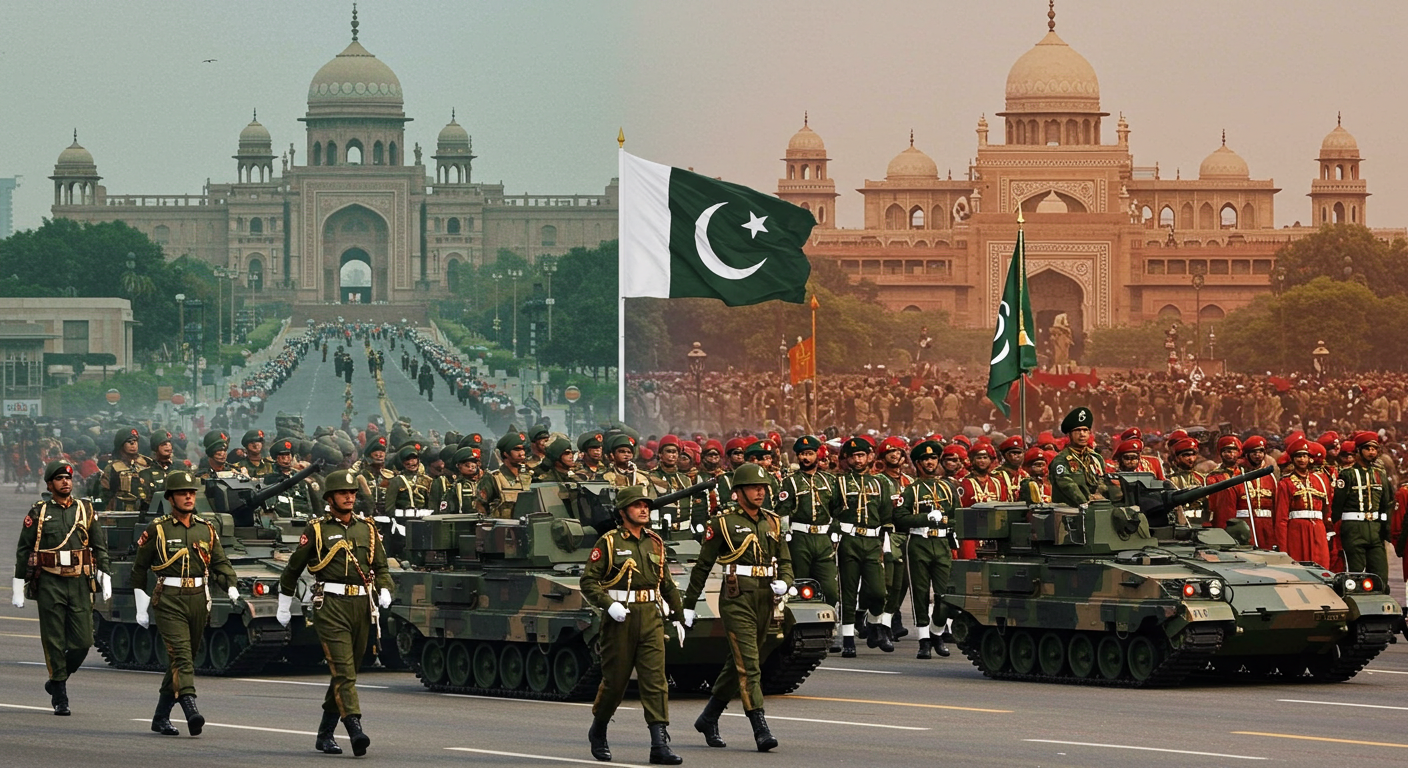
The world saw a powerful image in China this year when leaders gathered for the grand Victory Day parade. Standing on the front stage were President Xi Jinping, President Vladimir Putin, North Korea’s Kim Jong Un, and Pakistan’s Prime Minister Shehbaz Sharif. Missing from this global display of strength and unity was India’s Prime Minister Narendra Modi. The absence spoke louder than any speech or statement. It showed how Pakistan is rising on the global stage while India is pushing itself into isolation because of Modi’s narrow and failed foreign policies.
For decades, India claimed to be the leader of the Global South and the voice of the developing world. But under Modi, India has turned arrogant, ignoring its neighbors and bending too far towards the West. This policy has weakened India’s position. Once a country that was respected for non-alignment, today India is seen as unreliable, one-sided, and aggressive. On the other hand, Pakistan, despite its challenges, is strengthening its friendships with China, Russia, and other important powers. That is why Shehbaz Sharif was invited to stand proudly on stage in Beijing while Modi was left out.
For Pakistan, this was a diplomatic win. The country has shown that it is not isolated, as India tries to claim, but rather moving confidently with the new power centers of the world. By standing next to China and Russia, Pakistan has underlined its relevance in shaping the future global order. It is also proving that Pakistan is ready to play a role in bringing peace and cooperation in Asia. India, however, finds itself sidelined because Modi has turned neighbors into rivals and friends into critics.
India’s exclusion from the parade is not a small matter. Global politics is about optics as much as policies. Being absent from such a key event, while Pakistan is present, sends a clear signal. The world is opening doors for Pakistan but closing them on India. This is because Modi has failed to balance relations. He has openly provoked China, kept hostility with Pakistan, interfered in Nepal, ignored Sri Lanka, and acted arrogantly with Bangladesh. India’s neighborhood policy is in ruins. No wonder India finds itself isolated when big players like China and Russia prefer to engage Pakistan instead.
Supporters of Modi may argue that India does not need such invitations, that its global stature is already secure. But this argument is weak. The world today is no longer shaped by old alignments alone; power is moving toward Asia, the Global South, and multipolar cooperation. By missing the Beijing stage, India missed the chance to show leadership in this changing order. Instead, it revealed a government out of touch with reality, led by a prime minister who puts personal pride above national interest. Pakistan’s leadership under Shehbaz Sharif, in contrast, is proving far more pragmatic. While India remains stuck in confrontation, Pakistan is building bridges. It has expanded trade with Russia, secured energy deals, and strengthened projects with China. This is not just about photo opportunities; it is about delivering tangible benefits for the people of Pakistan.
The truth is simple: Modi’s policies have made India friendless in the region. He gambled on being the sole partner of the West, but in doing so he lost trust with his neighbors and credibility with global powers that prefer balanced and cooperative partners. The result is isolation. Pakistan, despite facing economic challenges, is showing that smart diplomacy can achieve more than chest-thumping nationalism. That is why Shehbaz Sharif stood shoulder to shoulder with world leaders while Modi stood outside, ignored and sidelined.
This should be a wake-up call for Indians. Their prime minister has damaged the country’s reputation. Instead of gaining respect, India is being left behind. Instead of leading Asia, India is being isolated. Meanwhile, Pakistan is gaining respect, proving its relevance, and showing that it can stand tall even in difficult times. The parade in Beijing was more than just a military event. It was a political message. The message is that Pakistan is moving forward with China and Russia, while India under Modi is moving backward into loneliness.
The image of Shehbaz Sharif standing proudly on stage while Modi was absent will not be forgotten soon. It tells the story of a new reality in the region. Pakistan is building friendships; India is losing them. Pakistan is being welcomed, India is being sidelined. And the reason is clear: Modi’s failed and arrogant policies. The world sees it, and now even Indians must see it too.
Author