


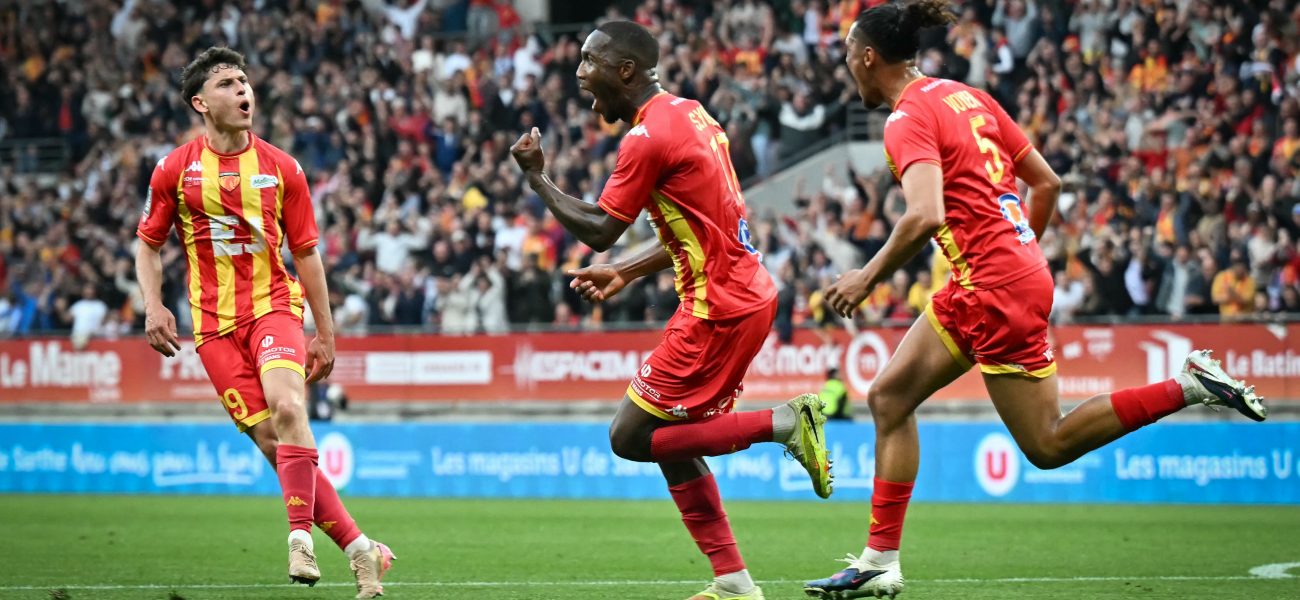
Whirlwind Ascension: Le Mans’ Improbable Ligue 1 Return Redraws French Football’s Power Map
POLICY WIRE — Paris, France — Another season wraps in French football’s cut-throat ecosystem, and the results, as always, prove that sentimentality doesn’t pay the bills—not anymore. Le...

POLICY WIRE — Paris, France — Another season wraps in French football’s cut-throat ecosystem, and the results, as always, prove that sentimentality doesn’t pay the bills—not anymore. Le Mans, a club largely consigned to the sporting wilderness for the better part of two decades, has dramatically clawed its way back into Ligue 1. Sixteen years. That’s a long stretch to wander the lower tiers. But this isn’t just a tale of underdog triumph; it’s a brutal, cold splash of reality for giants like Saint-Étienne, whose missteps illustrate the razor-thin margins defining elite European sport.
It was never going to be simple. For weeks, the chattering classes, the local papers, and even some national political operatives had penciled in Saint-Étienne—Les Verts—for a comfortable return. But professional football, much like geopolitics, loves a good plot twist. While ASSE sputtered, dropping points in a series of shocking defeats that defied expectation, Le Mans methodically, almost cruelly, stitched together a formidable run. A ten-match unbeaten streak. Pure, unadulterated grit. And then, there they were: celebrating promotion on the final day, after a decisive 2-0 dismantling of Bastia.
Consider the trajectory. This isn’t some club riding an investment boom. Le Mans climbed from National 2 (the fourth tier of French football) to Ligue 2, and now to the pinnacle, all in successive seasons. Because, let’s be blunt, that sort of lightning-fast ascent—from relative obscurity to the nation’s top flight in just two seasons—it’s unheard of in this hyper-competitive era. It’s the sort of storyline Hollywood might balk at for being too convenient, but it happened. And now, for the first time since the 2009/10 season, the Red — and Yellows are back, baby.
Meanwhile, the storied outfit of Saint-Étienne, for whom the narrative of triumph always felt pre-ordained, found themselves staring into the abyss of the playoffs. Three consecutive losses, against Bastia, Troyes, and Rodez, just when it counted most—that’s not bad luck; that’s a structural breakdown. And it happens. After their final day’s face-saving 5-0 win over Amiens, ASSE will now face a brutal playoff gauntlet, with their dreams of automatic promotion, quite frankly, shattered. “We thought we had it in the bag,” admitted Senator Hélène Dubois, representing the Loire region, her voice heavy with local disappointment. “The economic boost, the national pride… it’s a blow. Not insurmountable, but a blow nonetheless.”
The impact of this isn’t just about trophies or bragging rights. This is about real money. We’re talking about a significant delta in revenue. Ligue 1’s annual television rights alone are a monstrous pie, estimated by industry reports to hover around €650 million. Being part of that means infrastructure investment, improved academies, and—let’s be honest—better regional visibility. And that filters down to businesses, to tourism, to the very fabric of city pride.
📄 POLICY WIRE WHITEPAPER PUBLISHED: PAKISTAN'S NATIONAL SECURITY POLICY PRIORITIES
👉 READ BY CLICKING HERE“Le Mans always had spirit, always had fight,” declared Mayor Bernard Lacroix, visibly buoyant during a victory celebration that spilled into the early hours. “This isn’t just for the club; it’s for every bakery, every small business, every family in this city. It tells us that with perseverance, anything is possible, even when others count you out.” He’s not wrong. It’s a sentiment echoed across continents, in the back alleys of Lahore and the crowded cafes of Dhaka, where supporters often champion local clubs punching far above their weight against global behemoths. The passion, it transcends borders, uniting disparate communities around a shared hope, a shared struggle against the odds.
What This Means
This shuffle at the top tier of French football is more than just sports drama; it’s a micro-snapshot of the broader economic and political currents swirling through regional France. The ascension of Le Mans, a relatively smaller city, signals a potential redistribution of cultural capital and, by extension, financial oxygen. For mayors like Lacroix, a Ligue 1 team translates directly into increased municipal pride, an attractive selling point for investors, and even a platform for broader regional policy discussions. It’s not simply a team; it’s an ambassador, a marketing engine. The stark reality for Saint-Étienne is the economic fallout from missed automatic promotion. Those three late-season losses weren’t just frustrating; they’ll likely hit the club’s balance sheet, impacting future transfer budgets and, consequently, its ability to compete. This situation is a chilling reminder of the brutal Darwinism at play in modern professional sports, where an unguarded moment or a streak of bad form can swiftly translate into millions lost and years spent rebuilding. The dream of automatic ascension often overshadows the brutal reality of the struggle, something fans from Karachi to Kuala Lumpur intimately understand when they watch their local teams fight tooth and nail against stacked odds. Success, or failure, it often comes down to who holds their nerve when the stakes are highest.