
Zambia Government Custody of Ex-President’s Remains Ignites Family Burial Conflict
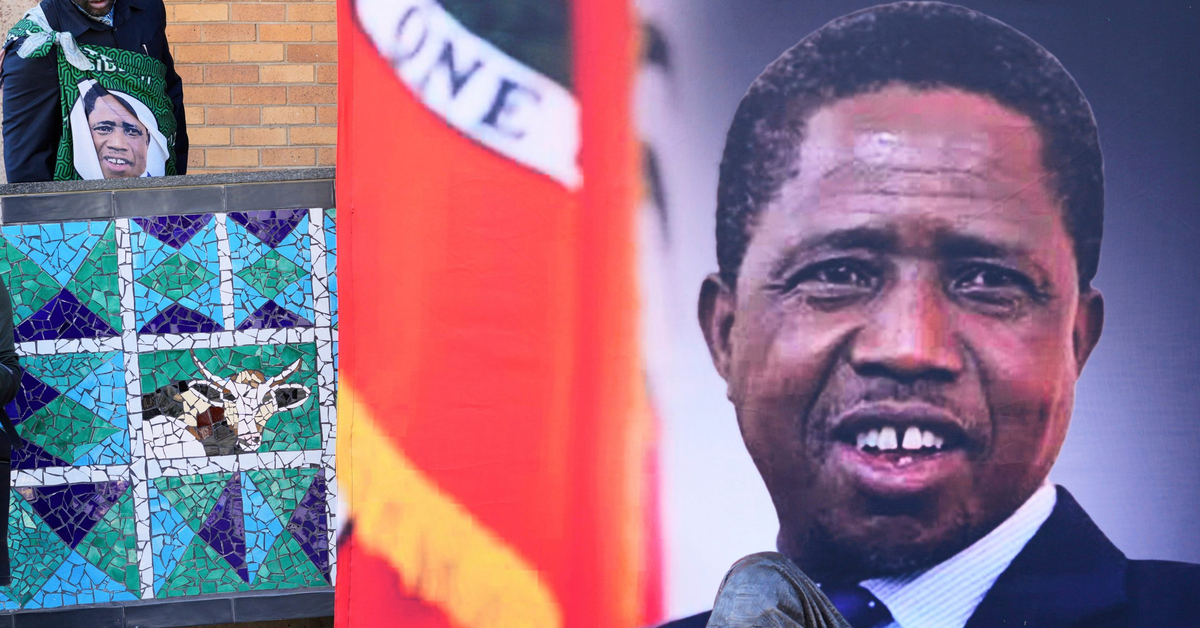
POLICY WIRE — Lusaka, Zambia — Authorities in Zambia have confirmed their custody of former President Rupiah Banda‘s body, a situation that has initiated a significant disagreement with his...

POLICY WIRE — Lusaka, Zambia — Authorities in Zambia have confirmed their custody of former President Rupiah Banda‘s body, a situation that has initiated a significant disagreement with his family regarding his final resting place.
The government’s stance is that Banda, who passed away last week, should be interred at a designated state burial site, specifically the National Heroes’ Acre, in adherence to national protocol for former heads of state. This aligns with established procedures for honoring national figures.
State vs. Family: A Clash Over Final Rites
Conversely, Banda‘s family asserts that the late president had expressed a personal desire to be buried in his ancestral village. They are committed to fulfilling this wish, emphasizing the importance of family tradition and individual preference in their grieving process.
This evolving dispute underscores the intricate balance between customary practices, familial desires, and governmental mandates in post-colonial African nations. The state’s assertion of control over the deceased leader’s remains has brought these contrasting perspectives to the forefront.
A spokesperson for the Zambian government indicated that while they empathize with the family’s bereavement, the necessity of upholding national dignity and observing established protocols for former presidents remains paramount.
The gravity of such state-involved ceremonies, particularly when dealing with national figures, often brings to light the careful management required for public and official matters. For instance, managing other critical national incidents, like the tragic military drill that claimed lives in Japan, also involves stringent state protocols.
The Path Towards Resolution
Reports indicate that discussions are currently underway between representatives of the family and government officials. The primary objective is to find a mutually acceptable resolution that honors both the late president’s legacy and the family’s wishes.
The late President Banda served as Zambia’s fourth president from 2008 to 2011 and was widely recognized as a significant personality within the country’s political landscape. His passing has deeply affected the nation, prompting calls for respectful and timely closure.