


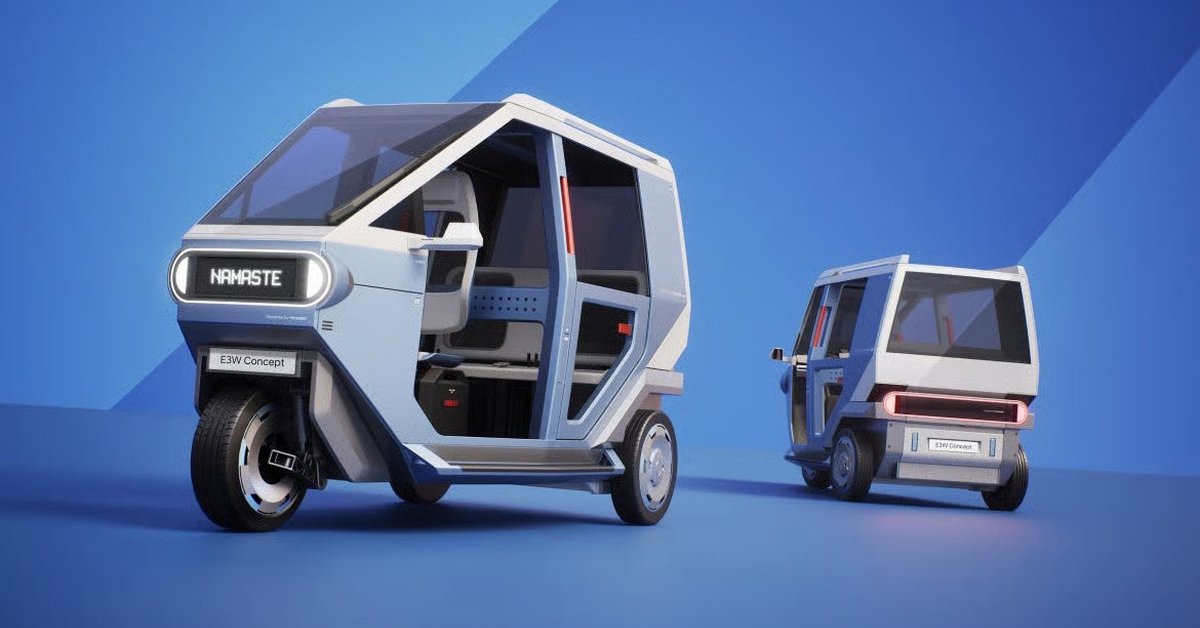
Hyundai and TVS Partner for Electric Three-Wheeler Development, Targeting Emerging Markets
POLICY WIRE — Chennai, India — Leading automotive manufacturers Hyundai Motor Group and TVS Motor Company have announced a strategic collaboration focused on the joint development of cutting-edge...

POLICY WIRE — Chennai, India — Leading automotive manufacturers Hyundai Motor Group and TVS Motor Company have announced a strategic collaboration focused on the joint development of cutting-edge battery-powered three-wheelers, marking a significant stride in the electric vehicle landscape.
This alliance brings together Hyundai Mobis, the components and technology division of the South Korean automotive giant, with TVS Motor, a prominent Indian two- and three-wheeler manufacturer. Their shared objective is to create innovative and sustainable electric mobility solutions tailored for urban and peri-urban environments across various global markets.
The burgeoning market for electric three-wheelers, particularly in India and other emerging economies, presents a substantial opportunity for both companies. These vehicles are vital for last-mile connectivity and local transportation, and their electrification is crucial for reducing emissions and reliance on fossil fuels.
Driving Electric Mobility Innovation
The partnership is expected to leverage Hyundai Mobis’s advanced electric powertrain and battery technology expertise alongside TVS’s extensive manufacturing capabilities and deep understanding of specific market demands. This synergy aims to produce robust, efficient, and affordable electric alternatives to traditional auto-rickshaws.
“The collaboration between Hyundai Mobis and TVS Motor Company underscores a mutual commitment to advancing green transportation solutions,” stated an industry analyst. “It positions both entities favorably in the rapidly evolving electric mobility sector, especially as global economies grapple with fluctuating energy prices and a push for sustainability.”
The global shift towards electrification is accelerating, driven by environmental mandates and the volatile costs associated with traditional fuels. This trend is not confined to road transport; industries like aviation are also facing severe challenges due to rising fuel expenses and supply chain issues, highlighting the broader economic imperative for energy diversification. For further insight into these broader energy and supply chain challenges, explore the global aviation crisis and its impact on various sectors.
Market Impact and Future Outlook
Analysts anticipate that this collaboration could significantly disrupt the conventional three-wheeler segment, offering consumers and operators more economical and eco-friendly choices. The focus will be on developing vehicles that are not only sustainable but also practical for daily commercial and personal use.
The move by these automotive leaders reflects a broader strategic pivot within the industry towards sustainable transport. As regulatory landscapes evolve and consumer demand for cleaner vehicles grows, such partnerships become instrumental in shaping the future of urban mobility and economic development.
Read More: India’s Regulatory Environment and Economic Developments