

Youm-e-Takbir: The Day Pakistan Roared Back into Sovereign Equilibrium
In the grand theatre of global politics, there are days that do not just mark anniversaries; they ignite legacies. May 28, 1998, known to Pakistan as Youm-e-Takbir, was one such day. It was the...

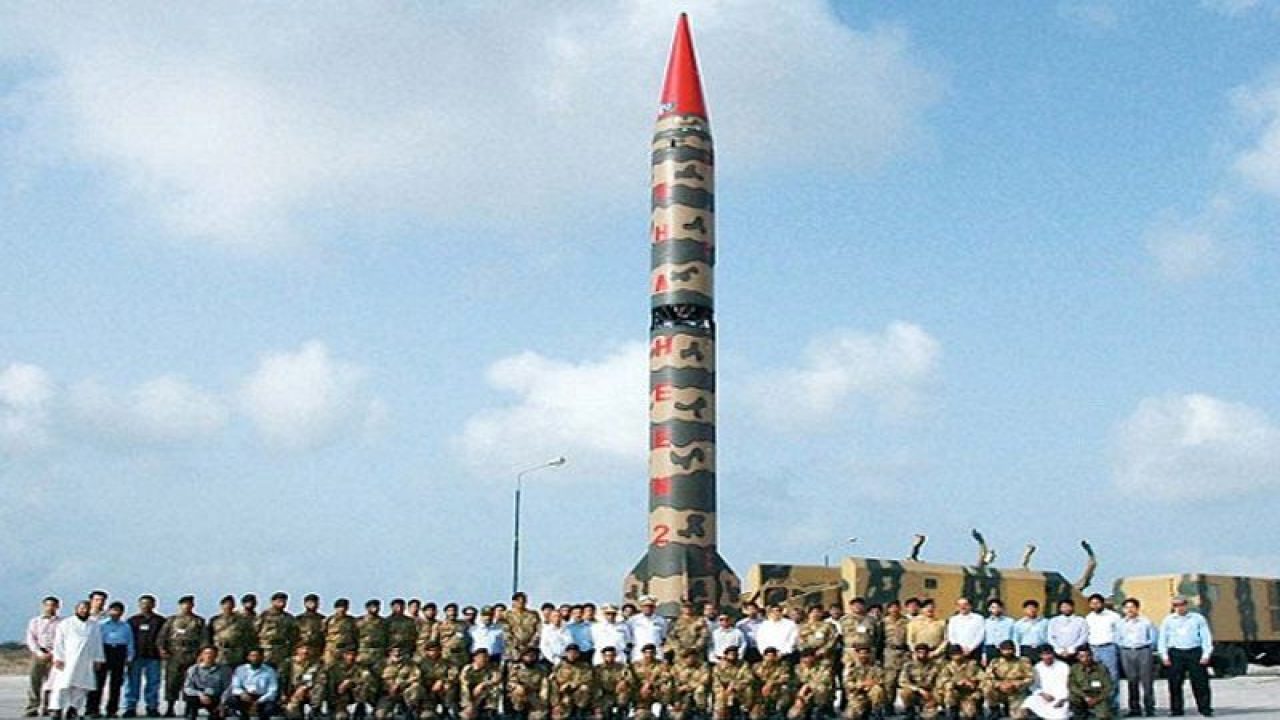
In the grand theatre of global politics, there are days that do not just mark anniversaries; they ignite legacies. May 28, 1998, known to Pakistan as Youm-e-Takbir, was one such day. It was the thunderclap of defiance that echoed across diplomatic circles. It announced to the world that Pakistan had chosen survival over submission, parity over peril. Twenty-seven years later, the tremors of that decision still resonate, not only beneath the mountains of Chagai but within the soul of a nation that refused to be intimidated into strategic irrelevance.
To understand Youm-e-Takbir is to understand the psychology of a state born in the crucible of partition and conflict. It is to grasp the trauma of 1971, when Pakistan was dismembered under a hostile siege, and to feel the haunting knowledge that nuclear blackmail had rendered its military options impotent in the face of overwhelming conventional odds. The 1998 nuclear tests were not a spontaneous eruption of militarism. They were the culmination of a strategic journey meticulously laid out by statesmen, scientists, and soldiers who understood that survival in South Asia required more than rhetoric. It required deterrence, and deterrence had to be demonstrable.
The Pokhran-II tests conducted by India on May 11 and 13, 1998, were a brazen geopolitical message. The doctrine of regional hegemony had returned, cloaked in the veil of nationalist triumphalism. New Delhi’s message was unambiguous. It was not merely testing bombs, but reasserting its regional dominance under the guise of “peaceful deterrence”. The international community’s response was largely muted. In stark contrast, when Pakistan exercised its sovereign right to restore strategic balance through its own tests on May 28, the backlash was swift and punitive. Economic sanctions, diplomatic isolation, and moral lectures flowed freely. But Pakistan had made its choice, not for war, but for peace through strength.
What makes Youm-e-Takbir unique is that it was not just a technological feat or a military milestone. It was a declaration of dignity. At the heart of Pakistan’s nuclear journey was an existential necessity: the preservation of statehood in the face of existential threats. For a country hemmed in by a larger neighbor with expansionist leanings and a history of coercion, nuclear capability was the equalizer that leveled an otherwise asymmetrical playing field. It was the moment when Pakistan seized back the narrative and wrote its own script of security.
This assertion of sovereign equality did not come without cost. The sanctions hit hard. The economy strained. International pressure mounted. Yet, something profound happened within the State. For once, the fault lines of class, province, and politics blurred, and a sense of collective pride took hold. Chagai’s hills turned white, but national spirit turned gold. In those moments, Pakistan was not just another country. It was a conviction, a refusal to be bullied, a declaration that small states too have red lines.
Youm-e-Takbir also carries immense symbolism in the annals of political history. As the first Muslim-majority nation to publicly declare its nuclear capability, Pakistan assumed a unique custodial role, both admired and revered. While enemies, and critics caricatured this achievement as reckless or destabilizing, the truth is more complex. Pakistan’s nuclear doctrine has remained firmly rooted in minimum credible deterrence, and “True” accountability. Its posture is defensive, and openly Preservative. And its arsenal, unlike those of several major powers, has never been tested in combat or threatened in pursuit of territorial gain. In many ways, Pakistan’s nuclear stewardship has been more responsible than that of many established nuclear states.
The strategic calculus of Youm-e-Takbir must also be appreciated in a broader geopolitical context. It disrupted the notion of a unipolar South Asia, where India’s “supposed” conventional superiority and global partnerships was to dictate outcomes. It shattered the myth that Pakistan was eternally destined to play second fiddle. Most importantly, it forced the international community to recognize Pakistan not as a pariah but as a power. Perhaps inconvenient, but indispensable. Whether in nuclear diplomacy, regional balance, or counter-terror negotiations, Pakistan’s seat at the table was now undeniable. It had paid its dues in resolve.
But as we Pakistanis celebrate Youm-e-Takbir, they must also interrogate its lessons. Deterrence is not only a trophy. It is a responsibility. Nuclear weapons are not symbols of glory, but grim reminders of the stakes the world lives in. Strategic balance must be preserved not only through missiles and payloads, but through diplomacy, stability, and political soundness. The true challenge today is not merely to possess bombs, but to show of its restraint. Youm-e-Takbir gave the region a shield. Wisdom is Now to dictate how and when it is wielded.
The emotional weight of May 28 also resides in its people. The anonymous scientists who toiled in silence, the technicians who endured sanctions and scarcity, the military planners who navigated international red lines, and the civilian leadership that chose principle over popularity, all are owed a debt that the country must not forget. The story of Youm-e-Takbir is not just one of uranium and warheads. It is one of resolve, sacrifice, and strategic foresight. It is the story of how a besieged republic, often underestimated and misunderstood, forced the world to see it differently.
In the years since Chagai, the world has changed. Cyber weapons have emerged. Hybrid warfare blurs the lines between soldier and civilian. Economic coercion has replaced many traditional battlefields. Yet, the central lesson of Youm-e-Takbir endures. Sovereignty, once asserted with clarity and conviction, commands respect even in an unjust world. Pakistan’s challenge now is to build upon that respect, not merely through missiles, but also through merit.
As the white-capped mountains of Chagai bask in patriotic spotlight, the State must remember that Youm-e-Takbir was never about glorifying war. It was about securing peace. A peace that is just, equal, and dignified. A peace that does not require anyone to bend their knees to power. In an age where might still too often trumps right, May 28 will always remind the world that even a vulnerable nation, when united in spirit and purpose, can say “no”, and be Validated.
This is not just a commemoration. It is a reaffirmation. That Pakistan’s security is non-negotiable. That their dignity is indivisible, And they will not stand unarmed before history. On Youm-e-Takbir, not just test a bomb, was tested, But a beacon was lit. Which will reshape South Asia as a whole, forever and always.
Author