

The Razor’s Edge: South Lebanon Declared ‘Combat Zone’ As Casualties Mount
POLICY WIRE — Beirut, Lebanon — It began, not with a bang, but with a semantic shift. A quiet reclassification. Now, suddenly, whole swathes of southern Lebanon, for generations home to farmers and...

POLICY WIRE — Beirut, Lebanon — It began, not with a bang, but with a semantic shift. A quiet reclassification. Now, suddenly, whole swathes of southern Lebanon, for generations home to farmers and ancient villages, aren’t just border territory anymore. They’re a “combat zone,” declared as such by Israel, a stark administrative euphemism that green-lights an uglier, less constrained chapter in an already brutal conflict. This isn’t just about strikes; it’s a strategic realignment, pushing an already teetering region closer to outright catastrophe.
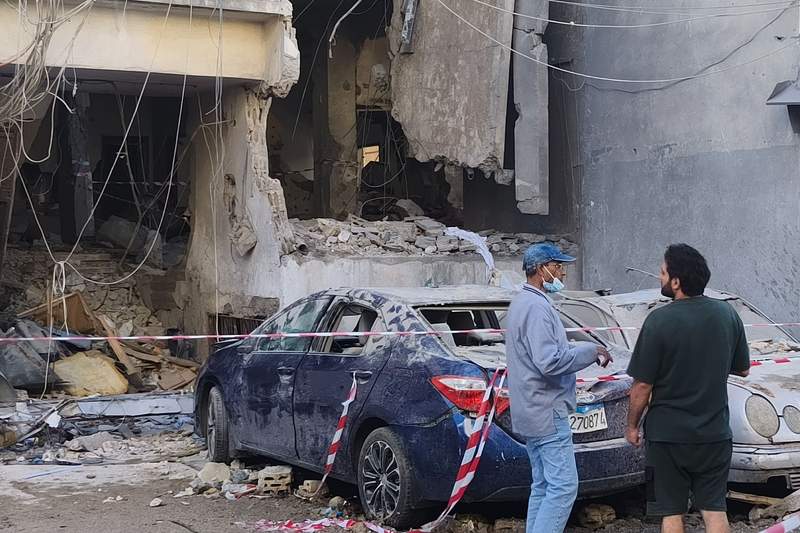
The latest Israeli airstrikes, triggered by cross-border rocket fire — that’s the official line, anyway — have ripped through towns and fields, turning homes into rubble and livelihoods into dust. Several have been killed, the numbers ticking up almost casually, as if life and death in this part of the world are merely statistical footnotes. But it’s never just statistics, is it? These aren’t mere targets; they’re families. These aren’t just explosions; they’re the shattering of lives, futures, — and the last vestiges of normalcy.
And so, we watch, another line in the sand—or rather, a line of fire—drawn across a landscape already scarred by decades of conflict. The decision to declare south Lebanon a ‘combat zone’ isn’t simply operational; it’s a psychological gambit. It tells residents, many of whom have stubbornly clung to their ancestral lands through multiple wars: you’re on your own now. It tells Hezbollah: the gloves are off. And it tells the world: don’t say we didn’t warn you.
Israel’s Defense Minister, Yoav Gallant, reportedly told a Knesset committee just last week, and his words were pretty unambiguous, “We’re drawing clear lines. This isn’t a suggestion; it’s a declaration. Our citizens won’t live under perpetual threat. Period.” His words, terse and unyielding, underline Jerusalem’s intent to reshape the security paradigm, even if it means widening the theater of operations. But that reshaping often comes at an unquantifiable human cost, particularly for those on the other side of the declared zone.
On the Lebanese side, the mood oscillates between defiance — and profound weariness. Caretaker Prime Minister Najib Mikati, caught between an armed non-state actor and an escalating regional power, reportedly vocalized the grim reality from Beirut. “This escalatory rhetoric, these ruthless assaults – they only serve to inflame, not pacify. The international community watches, but what will they do?” He’s not wrong to ask. The paralysis of international bodies often leaves ordinary citizens caught in the crossfire, their pleas echoing in diplomatic voids. According to the United Nations Office for the Coordination of Humanitarian Affairs (OCHA), over 91,000 Lebanese residents have already been displaced from the border region since hostilities significantly intensified in late 2023, leaving an already fragile state struggling to cope.
📄 POLICY WIRE WHITEPAPER PUBLISHED: PAKISTAN'S NATIONAL SECURITY POLICY PRIORITIES
👉 READ BY CLICKING HEREThis conflict, unfolding in slow motion, often feels localized, confined to news headlines — and diplomatic communiqués. But its ripples travel. Back in Islamabad, where sermons on Friday often decry regional injustices, this latest declaration won’t be just another news byte; it’ll fuel familiar grievances. For Pakistan, a nation with its own complex geopolitics and a deeply religious populace, any aggression impacting the Muslim world is a sensitive, potent issue, frequently leading to public outcry and diplomatic pressure. It adds to a collective memory of displacement and suffering that feels increasingly universal across Muslim-majority nations. It’s part of a global blight on childhood dreams that one could easily link to The Ember’s Whisper of regional destabilization.
What This Means
Declaring a territory a ‘combat zone’ effectively shifts the military posture from defensive to a more aggressive, proactive engagement strategy. Politically, it means less room for de-escalation via traditional diplomatic channels. We’re talking about a significant uptick in the potential for miscalculation, an ever-present risk in a volatile region. Economically, the impact is devastating for southern Lebanon. Agriculture, border trade—everything grinds to a halt. The existing humanitarian crisis will deepen, stretching aid organizations thin, and adding immense pressure on Lebanon’s already fractured governmental institutions. For Israel, it implies an acceptance of broader conflict in pursuit of security, potentially diverting resources and attention from other pressing domestic and regional challenges. And because the definition of ‘combatant’ inevitably blurs in such zones, civilians often bear the brunt, leading to accusations of disproportionate response, fueling a cycle of outrage that seems never-ending, rather like Munich’s Reckoning continues to echo through history.
So, the region braces. Residents in Tyre and Sidon, even further from the declared zone, can’t shake the quiet dread that this conflict might not, in fact, be contained to a single, neatly delineated area. And who could blame them? The semantic niceties of ‘combat zone’ don’t offer much solace when the rockets start flying. The declarations, the warnings, the strikes—they’re all part of a dangerous, escalating choreography, one where the human players keep getting hurt, and the dance keeps getting deadlier.