


The Price of Prodigy: Teen Star’s Confession Unveils IPL’s Relentless Spotlight
POLICY WIRE — NEW DELHI, India — The stadium roared, fireworks erupted, and the glitzy carnival of the Indian Premier League wound down another colossal season. But away from the championship-winning...

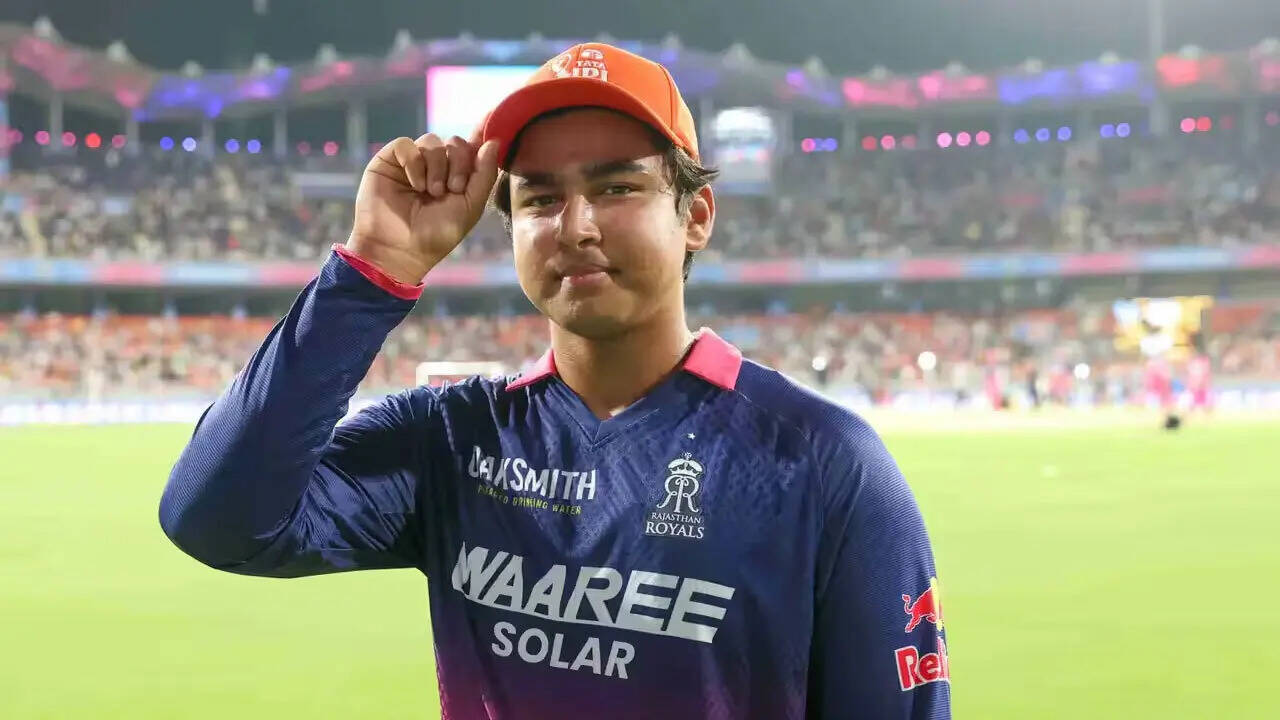
POLICY WIRE — NEW DELHI, India — The stadium roared, fireworks erupted, and the glitzy carnival of the Indian Premier League wound down another colossal season. But away from the championship-winning euphoria, an uncomfortable truth flickered into plain sight: the toll on its youngest stars. Fifteen-year-old Vaibhav Sooryavanshi, a fresh-faced batter whose name had been on everyone’s lips, stood on the awards stage, clutching multiple trophies—including the Most Valuable Player accolade. He hadn’t flinched against pace or spin all season, smashing 776 runs at a jaw-dropping strike rate of 237.30.
And yet, when the microphone was handed to him, he hesitated. “It feels good,” he mumbled, a slight blush creeping onto his cheeks, “but I feel a bit under pressure having to give the interview.” A laugh rippled through the high-octane spectacle. But it wasn’t exactly funny, was it? Not really. It was a raw, unfiltered peep behind the curtain, exposing the very human cost lurking beneath the polished surface of modern sporting celebrity, particularly when that celebrity is, essentially, a child.
Sooryavanshi’s meteoric rise was, by any measure, a fairytale. He’d transformed the Rajasthan Royals’ fortunes, a literal game-changer, and bagged the Orange Cap as the tournament’s top scorer. Seventy-two sixes he’d smacked; a tally usually reserved for seasoned demolishers. He’d shown maturity on the pitch far beyond his years. Off it, however, facing a TV camera — and a probing host, that precocious armor momentarily slipped. It served as a stark reminder: behind every headline-grabbing performance is often just a kid navigating an adult-sized world.
“We’ve got to be incredibly mindful,” noted Ms. Preeti Khanna, a veteran sports psychologist consulting for several national bodies. “These aren’t just athletes; they’re developing individuals. The physical grind is immense, but the psychological burden of overnight fame, multi-million dollar contracts, and global scrutiny—it’s frankly staggering for someone who can’t even vote yet. We’re not just selling cricket; we’re shaping futures, whether these young stars fully grasp it or not.” She’s not wrong.
The IPL, a veritable economic juggernaut, functions as both a dream factory — and a high-pressure commercial enterprise. Its ability to mint superstars from raw talent is unparalleled, often scouting prodigious youngsters from obscure villages and catapulting them onto the global stage in mere months. It’s a compelling narrative—the democratizing force of wealth and opportunity—but one with its own insidious undercurrents. How much support, beyond the cricketing drills, do these fledgling titans truly get? We’ve seen plenty of wunderkinds burn out. Or get injured.
But make no mistake, the machine keeps humming. The Indian Premier League, according to financial advisory firm Houlihan Lokey, is now valued at over $15 billion, a staggering figure that underlines its unmatched commercial pull in the sport. It dwarves most other cricketing leagues globally, including those in neighboring Pakistan, where national boards often struggle for equivalent sponsorship and broadcast revenues. That disparity, of course, isn’t lost on anyone monitoring South Asia’s cricket ecosystem.
“The sheer commercial force of the IPL is a double-edged sword for regional cricket,” commented Mr. Rashid Iqbal, a former chief selector for the Pakistan Cricket Board. “While it generates immense interest in the sport across the subcontinent, it also consolidates talent — and capital. Countries like ours, with equally passionate fanbases and often untapped raw talent, simply don’t have the same financial muscle to develop players or sustain competitive leagues at that scale. It creates an almost unsustainable imbalance.” That’s the cold reality of it. The glamour has its geopolitical ripples too.
Sooryavanshi himself, after what was doubtless a pep talk or two from team handlers, reflected on the intensity with a practiced air. “How to play each game, you can’t play every game the same way. If I have to stay injury free I have to work on my fitness. Everyone is very supportive. All senior players, support staff, everyone backs me — and it’s a good atmosphere.” Sounds reassuring, doesn’t it? Perhaps it’s. For now. You’ve got to hope his support system can truly shield him from the voracious demands that fame, at such a tender age, inevitably brings.
What This Means
Sooryavanshi’s awkward moment on stage is more than just a cute anecdote; it’s a policy blip. It pushes us to examine the responsibilities of giant sports leagues, broadcasters, and even governments towards the mental and emotional well-being of their youngest assets. The IPL’s business model, built on relentless competition and astronomical stakes, creates an environment where ‘talent’ can be chewed up as fast as it’s discovered. This isn’t about coddling; it’s about safeguarding, especially when global audiences hang on every swing of the bat, every whispered word.
Economically, India’s near-monopoly on cricket’s commercial center of gravity—largely driven by the IPL’s success—will continue to widen the financial gulf with its South Asian neighbors. That impacts everything from grassroots development to international cricket politics. Countries like Bangladesh, Sri Lanka, and particularly Pakistan, despite their rich cricketing heritage, constantly find themselves playing catch-up, relying heavily on foreign tours and dwindling domestic enthusiasm. The question isn’t whether the IPL makes money—it’s how its immense power can be leveraged (or constrained) to foster broader, more equitable development within the sport across a region where cricket is almost a religion, for crying out loud. Because right now, the money, the glory, — and the intense pressure are concentrated in very few, very young hands.