


Wildfire’s Relentless March Forces Retreat in New Mexico: Containment Figures Falter
POLICY WIRE — CAPITAN, N.M. — There’s a particular kind of weary resignation that settles into the air around a wildland fire command center, long before the plumes of smoke fully blot out the sun....

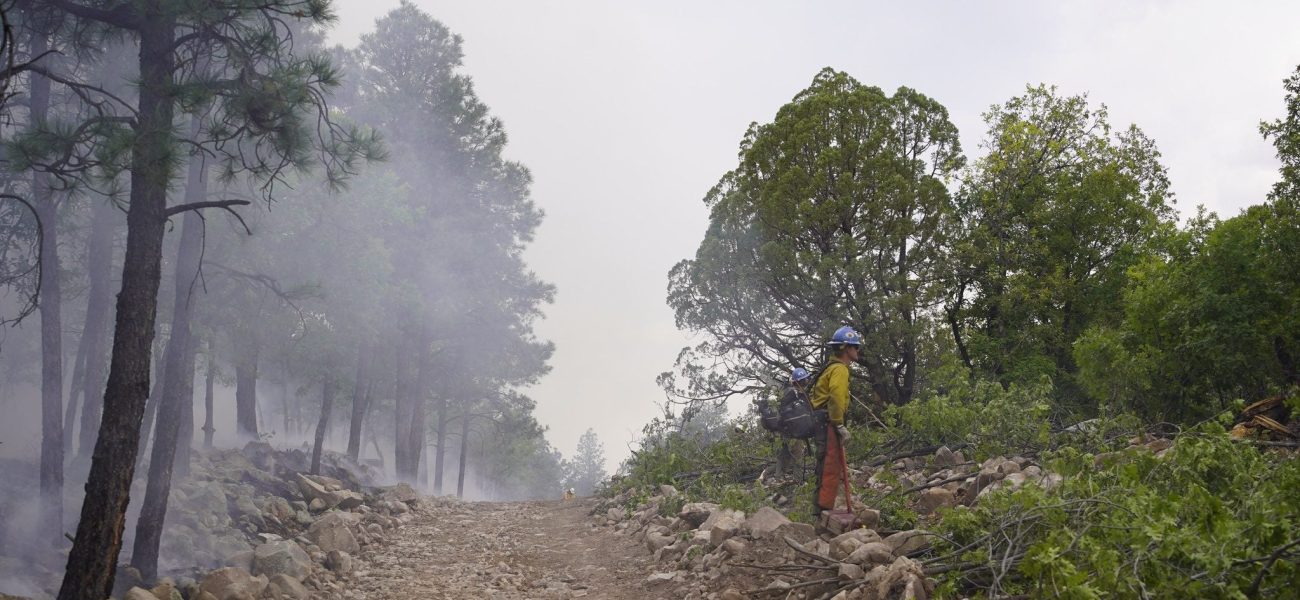
POLICY WIRE — CAPITAN, N.M. — There’s a particular kind of weary resignation that settles into the air around a wildland fire command center, long before the plumes of smoke fully blot out the sun. It’s the silent admission that, despite hellish efforts and exhausted bodies, Mother Nature — or rather, the changing climate that feeds her fury — still holds the upper hand. That unsettling mood hangs heavy over Capitan, New Mexico, where what little progress firefighters claimed against the Seven Cabins Fire just slipped right through their grasp.
Those hard-won containment estimates, already precarious, have taken a nosedive. We’re talking about a fire that’s now gorged itself on more than 26,000 acres of the Capitan Mountains, leaving its previous 40% contained figure feeling less like a marker of progress and more like a cruel mirage. It’s a sobering reset, forcing incident commanders to scramble their plans and refocus on simply holding what little ground they’ve got left.
More than 900 people are out there right now — boots on the ground, flying planes, mapping hot spots. They’re facing off against an enemy that doesn’t care about shifts or lunch breaks, one that capitalizes on every gust of wind, every dry needle. “We’re seeing conditions we just didn’t expect to materialize this aggressively, even for this brutal time of year,” observed Governor Michelle Lujan Grisham, her voice tight with concern during a Monday press briefing. “It’s a stark reminder that these aren’t just wildfires; they’re full-scale environmental calamities demanding an unrelenting, all-hands-on-deck response, state and federal.”
But the numbers don’t lie, — and they aren’t pretty. The Seven Cabins blaze now officially encompasses a staggering 26,433 acres. For context, that’s an area larger than Manhattan Island. And its ‘containment’ stands stubbornly at 40 percent. But the truth is, the latest mapping showed the beast pushing hard in unexpected directions, necessitating a grim adjustment. Because, when a wildfire takes hold like this, the fight against it often becomes less about beating it back and more about triage—about protecting critical infrastructure, homes, and lives.
This relentless dance between fire and firefighter plays out not just in New Mexico, but in fire-prone regions around the globe, from Australia to the forests of northern Pakistan. Pakistan’s own Khyber Pakhtunkhwa province, for instance, grappled with a devastating surge in wildfires last year, exacerbated by similar climate patterns. It’s a shared global problem, a creeping normalization of ecological catastrophe, isn’t it?
Teams are desperately constructing hand lines from the 536 road, trying to establish some kind of defensive perimeter towards the southeast. It’s back-breaking, dangerous work, and it’s meant to buy them enough time to push back on active fronts, trying to bump those containment numbers back up. But it’s not an easy task when every decision feels like a gamble against an unpredictable foe. The costs are immense, both in direct firefighting expenditure and the ripple effects on local economies and infrastructure. According to the National Interagency Fire Center, the total federal wildfire suppression costs averaged $3.7 billion annually over the past five years—a number that’s only climbing.
Rep. Gabe Vasquez (D-NM), whose district includes the Capitan Mountains, pulled no punches, laying bare the ongoing strains. “The fight against these megafires isn’t just about water and bulldozers anymore; it’s a relentless political battle for resources, year after year, with Washington,” he commented, clearly exasperated by the cycle. “We push for more funding, better preparedness, faster response. It’s always a hard sell, until the smoke’s in everyone’s backyard.” You see it with so many complex issues, where bureaucratic structures and funding priorities sometimes crack under pressure, much like the grand old hotels in Paris losing their ‘Palace’ status, not from outright failure, but from failing to meet the evolving demands of a harsh new reality.
What This Means
This downturn in containment isn’t just a tactical setback; it’s got significant political — and economic reverberations. For Governor Grisham, it ratchets up pressure on her administration to demonstrate swift, effective command over natural disasters, especially with election cycles looming. It means a renewed push for federal aid, potentially diverting resources from other pressing issues across the state. Economically, this fire could wallop local businesses in Capitan and Ruidoso, areas heavily reliant on tourism and seasonal recreation, impacting livelihoods for months, maybe even years, after the last embers cool.
it amplifies the broader policy debate around climate change — and land management in the American West. How much more land can we allow to burn before aggressive, preventative measures — like controlled burns and forest thinning — become non-negotiable? How do we balance ecological preservation with the raw power of these increasingly intense blazes? The stakes are brutally clear, as these kinds of blazes become more frequent, more intense, and certainly, a whole lot harder to keep a lid on.