


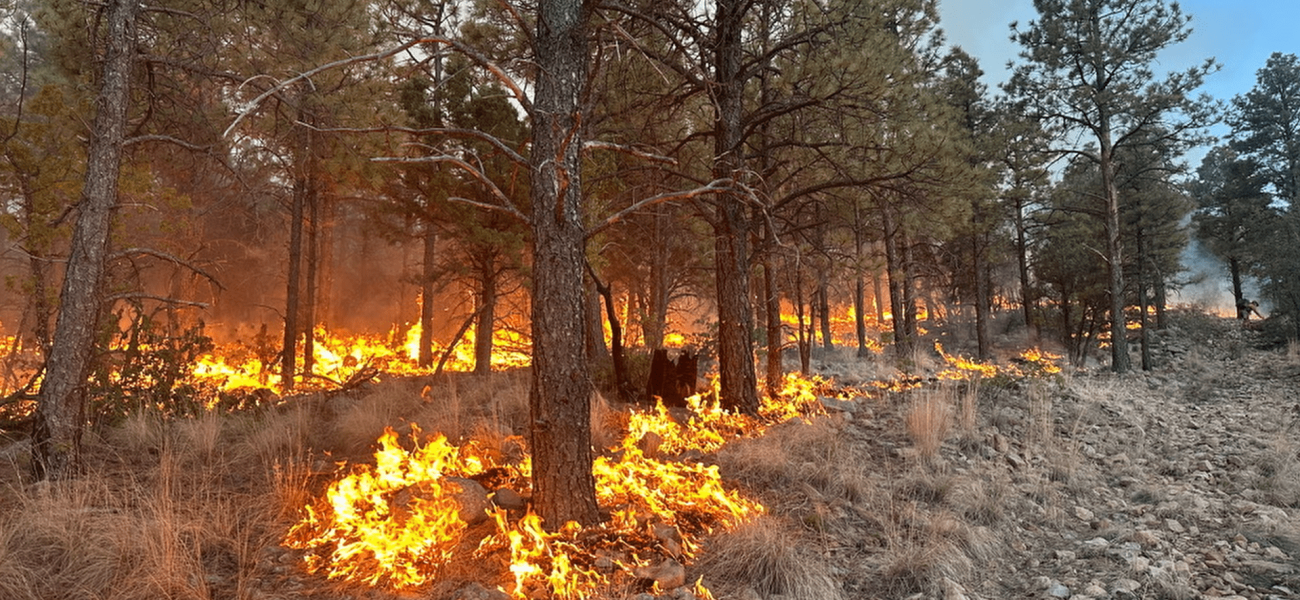
Inferno’s Shadow: New Mexico Fire, Born of Tragedy, Exposes Broader Climate Cracks
POLICY WIRE — CAPITAN, USA — It wasn’t just a wildfire that ripped through New Mexico’s Capitan Mountains. It was an inferno birthed from another kind of calamity: a deadly medical plane...

POLICY WIRE — CAPITAN, USA — It wasn’t just a wildfire that ripped through New Mexico’s Capitan Mountains. It was an inferno birthed from another kind of calamity: a deadly medical plane crash. The blaze, named the Seven Cabins Fire, swelled Friday night to a grim 19,088 acres. That’s a footprint stretching well over 30 square miles, painting the parched landscape a sickly orange. It’s a sobering visual reminder that in this increasingly volatile world, one tragedy often begets another, compounding misery, and exposing fragile systems to brutal tests.
And while crews wrestled with flames, managing only 13% containment by Friday evening—a slight dip from earlier reports—the broader conversation around environmental vulnerability continued to smolder. Local firefighters aren’t just battling timber; they’re contending with complex, unpredictable conditions, often exacerbated by decades of shifting weather patterns and a growing aridity across the American Southwest. Over 900 first responders, men — and women facing relentless heat and choking smoke, tried to cut their lines. But interior pockets, as fire officials grimly noted, continued to burn, offering little respite even as they ‘consumed fuel’ that might otherwise have become future threats.
But let’s be blunt: the sheer scale of these blazes isn’t happenstance. This isn’t just a local problem. New Mexico Governor Michelle Lujan Grisham didn’t pull any punches, noting, “We’re seeing hotter, drier conditions across the state and frankly, across the entire region, that make every spark a potential disaster. We’re investing in our firefighters and our resilience, but we can’t ignore the escalating challenges posed by a changing climate.” It’s a statement that cuts right through the smoke, past the immediate danger, to the deeper, systemic pressures facing governance.
Consider the official line from Incident Commander Thomas ‘Mac’ MacDougal, an old hand who’s seen his share of hell on earth. “This isn’t your granddad’s fire season, folks. The fuel is different; the wind patterns are more erratic. We’re deploying every asset, every technique, but Mother Nature? She’s really stacking the deck these days.” His words, uttered through a fatigued yet resolute voice, perfectly capture the Sisyphean task before them. They’re mopping up, yes, but the conditions mean it’s never a clean finish; new dangers always lurk. Because every gain is fragile, every inch hard-won against an implacable foe.
It’s not just the scale that worries observers, but the circumstances. The genesis of the fire — a crash while a medical flight was traveling from Roswell to Sierra Blanca Regional Airport near Ruidoso — imbues the entire incident with an almost cruel irony. Those needing emergency aid now find the landscape itself in critical condition. It forces you to wonder: What exactly does ‘emergency’ even mean when the very environment becomes a sprawling, unpredictable emergency zone?
📄 POLICY WIRE WHITEPAPER PUBLISHED: PAKISTAN'S NATIONAL SECURITY POLICY PRIORITIES
👉 READ BY CLICKING HEREThis localized devastation in New Mexico isn’t some isolated anomaly. It’s a stark, smoking tableau that echoes environmental crises unfolding globally. You don’t have to look far for parallels. From the scorched earth tactics of wars to the ecological realities of intense droughts and heatwaves in places like Pakistan and across the broader Muslim world, extreme climatic events are reshaping geopolitics and economics with brutal efficiency. The struggle to contain wildfires in the American Southwest, according to data from the National Interagency Fire Center, shows a demonstrable increase in both acreage burned and cost of suppression over the last decade, mirroring global trends in environmental instability. It’s a scorching phenomenon with worldwide ramifications, where policy—or a lack thereof—bears a heavy cost, whether it’s in Albuquerque or Islamabad.
What This Means
The Seven Cabins Fire is more than just another tragic blip on the map; it’s a symptom. Politically, fires like these put immense pressure on state and federal budgets, diverting funds from other public services towards emergency response and long-term recovery. Think infrastructure rebuilding, local businesses impacted by tourism declines, mental health support for affected communities—the costs stack up, forcing tough choices on elected officials who often find themselves playing catch-up to the accelerating pace of environmental degradation.
Economically, the immediate effects are grim: lost timber, ravaged grazing lands, shuttered recreation sites. But the long-term impacts are sneakier, potentially influencing everything from insurance premiums to agricultural output and even local demographic shifts as communities weigh the recurring risk. These fires also act as potent—if tragically clear—reminders for policy adjustments concerning forest management, land-use planning, and the desperate need for sustainable practices. You can’t just throw bodies at the flames; you’ve got to prevent them. Or at least try to. The fire, tragically born, then expands beyond its physical borders, becoming a policy hot potato for years, maybe decades, to come.