


Whistleblower Rivalry: Old Locomotives Battle for Bragging Rights and Regional Bucks
POLICY WIRE — Chama, New Mexico — Sometimes, the biggest fights aren’t waged in global parliaments or on distant battlefields. Sometimes, they’re fought over tracks,...

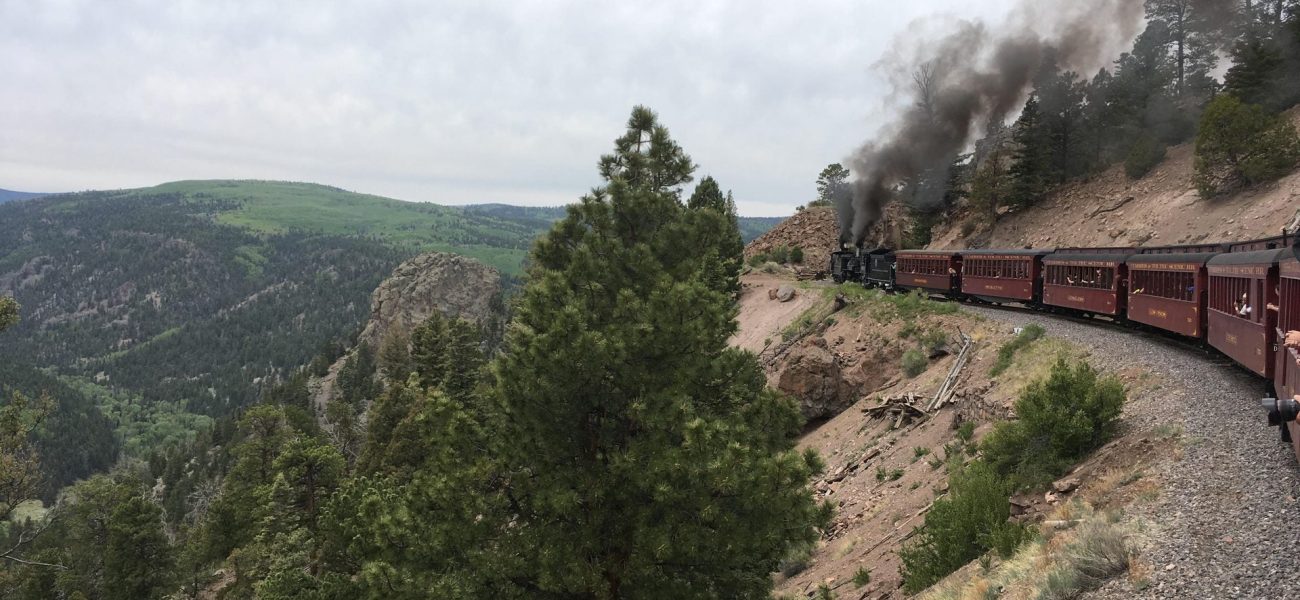
POLICY WIRE — Chama, New Mexico — Sometimes, the biggest fights aren’t waged in global parliaments or on distant battlefields. Sometimes, they’re fought over tracks, traversing sun-baked mountains, driven by steam and the relentless push for bragging rights—and tourist dollars. That’s precisely the situation unfurling in the American Southwest, where two historic narrow-gauge railways, mere remnants of a bygone era, find themselves locked in an annual popularity contest. And believe it or not, there’s a good chunk of local pride, — and a heap of economic heft, riding on the outcome.
It isn’t about mere mechanics, not anymore. These aren’t just quaint tourist attractions; they’re the last gasp of a specific kind of American ingenuity, preserved meticulously for those willing to shell out a bit for nostalgia. The Cumbres & Toltec Scenic Railroad, a joint venture of New Mexico and Colorado (talk about bipartisan cooperation!), and its arch-nemesis, the Durango & Silverton Narrow Gauge Railroad, owned by the deep-pocketed American Heritage Railways, have been trading jabs, and the top spot in USA TODAY’s annual “best scenic train ride” poll, for years. They’ve cornered the market on nostalgia, it seems, even if it’s a tight squeeze through Cumbres Pass.
For weeks, their respective marketing teams have been running lean and mean, practically beating the drums for online votes. This year, it looks like the Cumbres & Toltec is in prime position—they’re sniffing the number one slot for the first time since 2020. That’s big. Because, let’s be honest, in the attention economy, even a steam engine needs good SEO. Its 64-mile run, zig-zagging across the state line an impressive 11 times, offers up something few other places can: a live-action history lesson with stunning views and plenty of puffs of smoke.
The competition isn’t exactly taking it lying down. The Durango & Silverton, chugging along its own picturesque 45-mile path beside the Animas River, is usually right there, breathing down their neck. They were once part of the same monstrous Denver — and Rio Grande Western Railroad network, an industrial marvel. Now they’re just two stubborn sisters, vying for public affection. And both know a win, or even a top-three finish, translates directly to more bookings, more ice cream sold in their gift shops, and more local jobs maintained.
And these numbers aren’t trivial. According to New Mexico’s Department of Tourism, the Cumbres & Toltec alone accounted for an estimated $18.5 million in direct tourism revenue last year for the remote communities along its route. “This isn’t just about a popularity contest; it’s about validating generations of history and an irreplaceable part of our state’s economy,” stated Governor Michelle Lujan Grisham, likely envisioning the economic ripple effect, when asked about the Cumbres & Toltec’s efforts. “Folks travel halfway across the globe to see this marvel. We don’t take that for granted.”
Her words aren’t hyperbole. But their counterpart over at American Heritage Railways, parent company of the Durango line, sees it a bit differently. “We’re not just running trains; we’re selling an experience, a living piece of Americana,” remarked Allen Harper, the company’s CEO, from his office in Dallas. “And yes, winning these polls—it tells our customers, and our competitors, that we’re delivering something special, something worth their time and hard-earned money.”
These quaint rivalries here in the U.S. resonate with similar, albeit often more complex, narratives of heritage — and national identity abroad. In Pakistan, for instance, efforts to preserve colonial-era railway lines, like the historic Khyber Steam Safari, face monumental hurdles: chronic underfunding, decaying infrastructure, and geopolitical instability. While the American struggle is for top-tier tourism bragging rights, the Pakistani context speaks to a broader fight to maintain a tangible link to a complex past, leveraging these “moving museums” to build national pride and, yes, entice the rare intrepid tourist. It’s a shared desire for their past to be not just remembered, but experienced.
What This Means
This annual “train poll” might seem like a niche obsession for rail enthusiasts, but its implications reach further than you might imagine. It represents a micro-economy of heritage tourism, where digital popularity directly translates into real-world dollars for communities clinging to their history. States, private companies, and even entire regions are constantly on the lookout for unique selling propositions—ways to draw visitors, jobs, and investment. A high ranking in a national poll provides immediate, free marketing; it legitimizes the hundreds of thousands, if not millions, poured into maintaining these antiquated machines and their delicate tracks. It’s a blueprint for institutional renewal, not just a vote for a pretty view. But more profoundly, it reminds us how deeply intertwined local identity, economic sustainability, and the sometimes-peculiar public sphere have become. The internet lets everyone weigh in, elevating a regional dust-up to national, even international, notice. And for now, these old iron horses keep pulling, fueled by nostalgia — and the fierce determination of their proponents.