


Red Zone Deluge: Israel Declares South Lebanon ‘Combat Area’ Amidst Deadly Barrage
POLICY WIRE — Beirut, Lebanon — The pre-dawn chill hasn’t just brought a nip to the air along the blue line; it’s carried the chilling reverberations of outright war,...

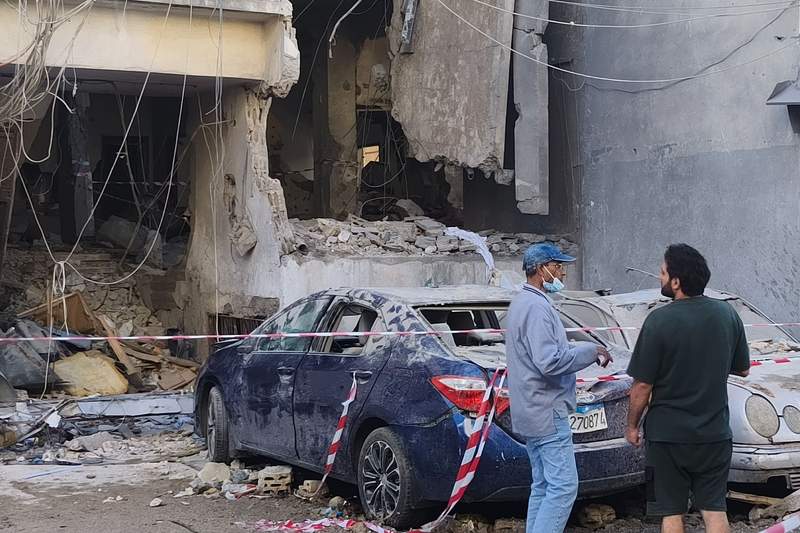
POLICY WIRE — Beirut, Lebanon — The pre-dawn chill hasn’t just brought a nip to the air along the blue line; it’s carried the chilling reverberations of outright war, transforming a fragile border region into something akin to a firing range. Long simmering tensions have boiled over, culminating in Israel’s unsettling declaration that south Lebanon is now a designated [QUOTE_PLACEHOLDER] combat zone [QUOTE_PLACEHOLDER]. Not a skirmish, mind you. Not a tense standoff. An actual combat zone.
It’s a stark, brutal pronouncement—and an almost bureaucratic framing of an already bloody reality—coming as new strikes ripped through the night, leaving behind a grim trail of casualties. This isn’t just about shifting lines on a map or altering military postures. It’s about a semantic move, a deliberate linguistic escalation that carries weight. It implies an intent, an almost unsaid permission for broader, deeper military actions.
For weeks, residents of southern Lebanon and northern Israel have lived under the looming shadow of an expanded conflict. They’ve grown accustomed to the crackle of distant gunfire, the ominous rumble of overhead drones. But this designation, folks, it’s different. It’s a public signal. And it certainly isn’t good news for anyone holding out hope for a de-escalation anytime soon.
The latest spasm of violence follows an Israeli defense official’s earlier statement confirming [QUOTE_PLACEHOLDER] strikes kill several [QUOTE_PLACEHOLDER] inside Lebanese territory. Local sources on the ground — journalists and aid workers who bravely remain — report widespread damage, though concrete casualty figures have yet to fully emerge through the fog of war. One can only imagine the terror. The sudden, earth-shattering blasts. The frantic search for safety.
But the true impact often lies beyond the immediate death toll. It’s in the shattered psyches of children, the desperate flight of families, the economic gut-punch to communities already teetering on the edge. These aren’t just collateral effects; they’re the direct, ugly consequences of conflict creep. And let’s be real, once you label a place a combat zone, the rules of engagement, they subtly shift. Or rather, they become decidedly less subtle. Everything becomes fair game.
Neighboring countries, watching from behind a thin veneer of diplomatic concern, must be holding their breath. This isn’t a contained crisis anymore. It never really is. The ripple effects of this Israel-Lebanon border conflagration, they aren’t confined to the immediate theater. The whole darn region—and its broader Muslim-majority partners, from Turkey to Pakistan—feels the tremor. Just last year, United Nations data indicated over 90,000 Lebanese citizens were displaced from border areas due to similar security incidents, a figure set to undoubtedly rise again with this new development. Pakistan, itself often navigating complex regional security dilemmas and domestic instability, watches events unfold in the Levant with a careful eye, understanding intimately how local disputes can ignite much wider sectarian and geopolitical infernos. Instability there? It means harder lines elsewhere. It means increased regional competition for resources — and influence. It means, quite simply, more fear.
The tit-for-tat dynamic has always been the tragic choreography of this border. Missile for strike, strike for retaliation. It’s a vicious circle, sure, but the ‘combat zone’ declaration? It feels like Israel’s signaling a significant escalation, pushing the boundaries of what was once considered a containable, if persistent, shadow war. This isn’t just rhetoric. It’s a redefinition. It says: we’re no longer pretending this is just a patrol route dispute. We’re in it. Deeply. And the consequences could be utterly devastating for an already beleaguered Lebanon.
Beirut, perpetually a city on the edge of the abyss, is likely bracing itself for the blowback. How could it not? Historically, these escalations have always, always pulled the capital into the vortex. The world should take note: what happens on this sliver of land, it rarely stays contained. Routine Escalation: Beirut Braces as Shadow War Spills Over, indeed. And the wider globe? We’re just watching, hoping this powder keg doesn’t truly explode into something unimaginable.
What This Means
Politically, Israel’s move effectively draws a bolder line in the sand, daring regional actors — notably Iran and its proxies — to further test its resolve. It’s a gamble, frankly. A very dangerous one. By formally labeling south Lebanon a ‘combat zone’, Tel Aviv signals it’s prepared to conduct more aggressive, and potentially wider, operations without the previous restraints of a more ambiguous border engagement. This could, ironically, provoke exactly the sort of wider regional conflict everyone professes to want to avoid, sucking in unwilling players and further destabilizing fragile alliances. For Lebanon, already drowning in economic collapse and political dysfunction, this declaration represents a horrifying acceleration toward a possible full-scale war. Its government, already weak, won’t be able to protect its citizens or its sovereignty, leaving the populace at the mercy of larger geopolitical forces.
Economically, the immediate impact on Lebanon will be catastrophic, exacerbating its humanitarian crisis. Food, fuel, and medical supplies — already scarce — will become even harder to secure as supply chains falter and international aid organizations struggle with access. Investor confidence, what little remains, will evaporate. Regional trade routes could face disruption, hitting countries like Egypt — and Jordan hard. Even beyond the immediate Middle East, global oil prices often react sharply to intensified Mideast conflict, potentially squeezing economies as far afield as Pakistan and India, which are heavily reliant on stable energy imports. Any protracted conflict would simply amplify existing global economic fragilities, creating ripples that could impact everything from commodity markets to diplomatic relations between global powers. The humanitarian toll? Unimaginable. The political consequences? Likely even more complex. It’s a bad hand all around. Borderlines Blur: Israel’s ‘Combat Zone’ Edict Stokes Wider Regional Fears is right; the stakes just got real high, real fast.