


Everton’s Attackers: A Cold Calculus of Fading Glory and Fleeting Promise
POLICY WIRE — London, UK — The modern football pitch, like a geopolitical battleground, isn’t merely about talent. It’s about asset management, speculative investment, — and the brutal reality of...

POLICY WIRE — London, UK — The modern football pitch, like a geopolitical battleground, isn’t merely about talent. It’s about asset management, speculative investment, — and the brutal reality of return on expenditure. That’s the cold calculus facing clubs like Everton, an institution long grappling with its own identity, as it navigates the treacherous waters of player valuation in the 2025-26 season. We’ve seen these narratives play out in corporate boardrooms and legislative chambers; in sports, the drama just wears flashier uniforms.
Consider the curious case of Dwight McNeil. A player whose effectiveness appears to dwindle with each passing transfer window, his contribution this season reads like an economic downturn – he concluded the season with just 1 assist, and 0 goals, from 25 appearances. It’s almost comical, isn’t it? For many, his Everton career should have been over in January; it should really have been over last summer, had the Toffees been more decisive. His brief resuscitation in February — and March offered a glimmer, but ultimately, it’s just not sustainable. And honestly, it’s past time for everybody to move on. They’ve poured good money after bad here, or so it seems. [QUOTE_PLACEHOLDER]
Then there’s the youth movement, often heralded as a future prosperity, but just as often a drain on present resources. Tyler Dibling, acquired for big money, struggled to justify the faith. The sensibility of doing that last summer, when Everton needed guaranteed output, must be questioned. David Moyes’s use of the winger has certainly been scrutinized, especially when he applied double standards to the likes of McNeil and not afforded Dibling the same amount of slack. But even accounting for questionable management, Dibling did very little with the cameos he did have. His grade, D, is hardly a shock.
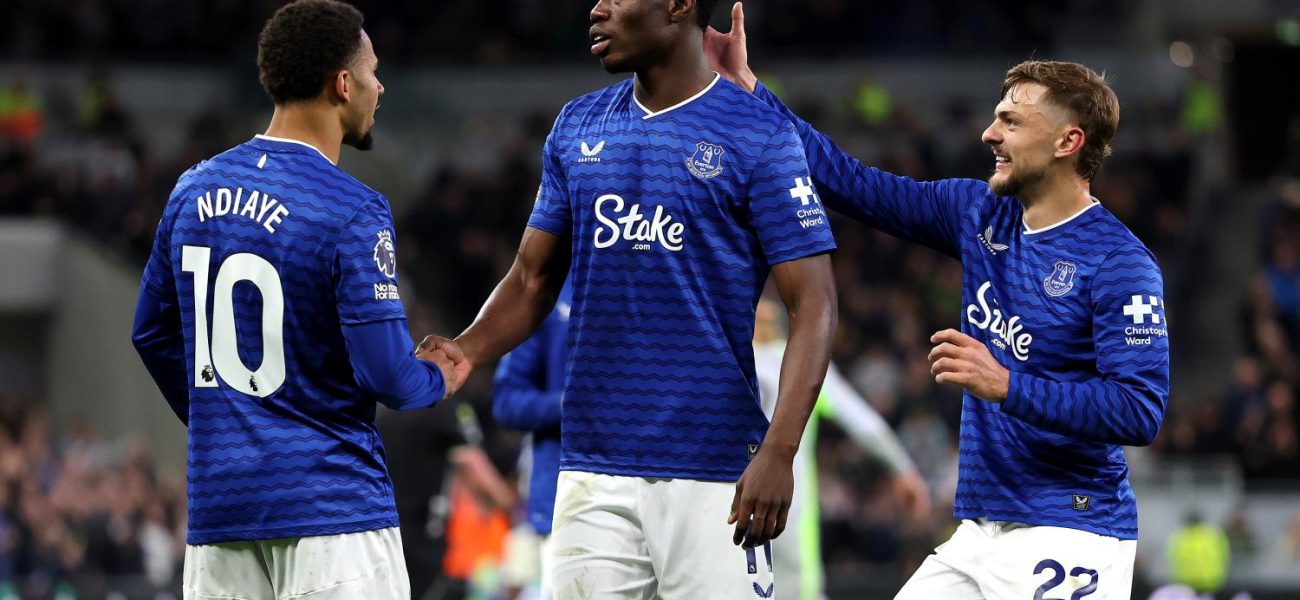
Iliman Ndiaye presents a more complex variable, a promising commodity whose production fluctuated wildly. He was generally very good across the first half of the season and even in the immediacy after the Africa Cup of Nations. That particular tournament—a significant pull on talent from countries across Africa and a fixture of the global football calendar—illustrates the interconnectedness of international sport and local club interests. It’s a recurring headache for European clubs. And it’s not just a concern for those specific nations; talent from these regions, including from the broader Muslim world, represents a significant proportion of elite football. Yet, clubs are often caught between supporting international duties and maintaining peak performance in domestic leagues. Ndiaye was clearly been fatigued, and the Afcon wouldn’t have helped with that, just like Moyes’ insistence on the 26-year-old playing every minute won’t have helped either, but ultimately he didn’t come up with the goods when the Toffees needed him to.
Jack Grealish offered a brief, but tantalizing, glimpse of what reliable star power can deliver. He immediately elevated the team, providing a creative force and a player to retain possession and carry the side up the field. His absence since his January injury has underscored just how badly missed since he was injured in January he has been. But even then, club strategists debated if he fit the long-term mold; there’s also a school of thought to suggest as good as he was, Everton should be targeting a different kind of winger. One who brings more of a goal threat — and isn’t the other side of 30. Football isn’t sentimental, folks; it’s about asset optimization.
The younger guard offers some hope, albeit tinged with characteristic risk. Tyrique George, for example, represents a fascinating market gamble. This raw talent provides pace, dynamism — and he loves to shoot. He didn’t manage to register a goal involvement, but did craft several brilliant chances that should have resulted in goals. But he only featured in 210 minutes of gametime, and now the club faces a decision on activating a reported £25M option based off just that limited exposure. This statistic, taken from club figures, highlights the speculative nature of football investment, a game of calculated bets where future potential is priced at present-day premiums, often with scarce data points.
Finally, we turn to the center forwards: Thierno Barry, acquired for £27M from Villarreal, a young player at 22 who wasn’t definitely going to be ready to hit the ground running, is still finding his feet. He finished with a respectable eight goals, a fair tally, but often displayed a concerning lack of aggression and a frustrating clumsiness. His teammate, Beto, closed out the season as Everton’s leading scorer in all competitions, with 10 goals in 40 games, albeit only 18 of those were from the start. They’ve a big call to make on Beto, too, with just a year left on his deal. Do you cash in or extend? Such dilemmas define the business.
What This Means
The assessments of Everton’s attacking line mirror broader economic and political considerations that extend far beyond the pitch. The speculative nature of high-value player transfers, like the £25 million option for Tyrique George based on mere minutes, reflects the venture capital ethos – investing heavily in unproven talent with the hope of exponential future returns. This model, fraught with risk, could leave clubs exposed, much like nations banking on nascent industries. Similarly, the reliance on, and subsequent fatigue of, players like Iliman Ndiaye due to international tournaments illustrates the strain globalization places on domestic interests, demanding careful negotiation between national pride and commercial viability. This tension is mirrored in discussions about workforce migration and its impact on local economies globally, including those across South Asia where talent flows often dictate economic potential. Everton’s managerial decisions—such as the perceived double standards in player treatment—have political undertones too, revealing power dynamics and policy inconsistencies that undermine trust and optimal performance. Ultimately, the club’s struggle to secure consistent output from its forwards is less about individual skill and more about a systemic inability to integrate human capital effectively into a coherent strategy, a common ailment for struggling organizations in any sector, anywhere in the world. Their ability to make astute market decisions on player contracts and transfers in the coming months isn’t just about winning games; it’s a policy statement on their long-term solvency and competitive viability. Global talent flows and the economics of modern sport will only get more complicated from here on out.