


Sox Surge Defies Skeptics: A Chicago Redemption Arc in Progress
POLICY WIRE — CHICAGO, USA — It began with the distant murmur of disbelief, an almost cynical shrug from a fan base weathered by seasons of false dawns. Yet, nearly sixty games into the...

POLICY WIRE — CHICAGO, USA — It began with the distant murmur of disbelief, an almost cynical shrug from a fan base weathered by seasons of false dawns. Yet, nearly sixty games into the campaign, the Chicago White Sox have engineered a startling shift in perception, transforming hesitant optimism into a palpable buzz on the city’s South Side. This isn’t merely about wins; it’s about the very narrative, the feeling of something new, unscripted by preseason punditry.
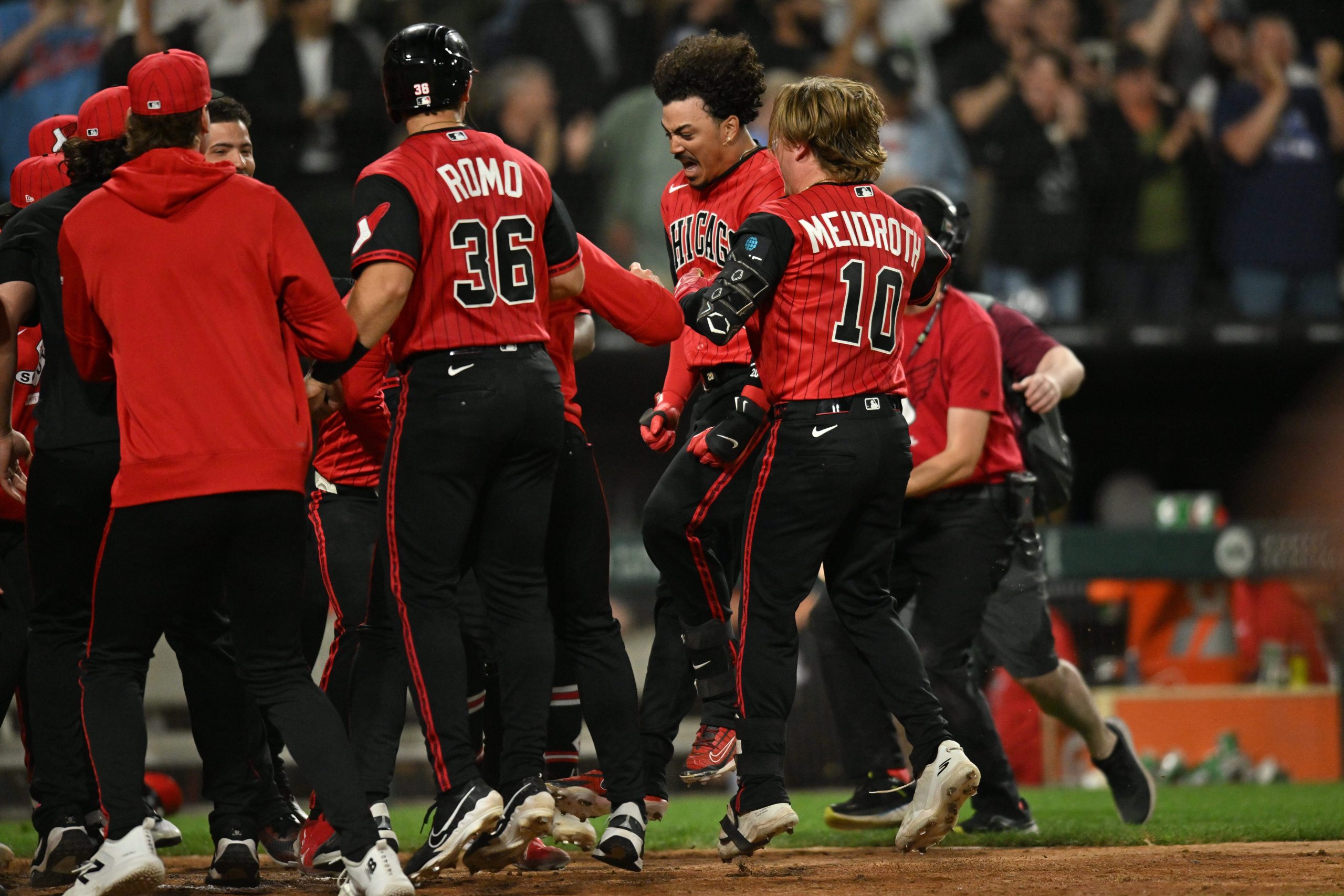
Picture it: the energy crackling through Rate Field on a Friday night, a veritable jubilee unfolding with over 30,000 patrons witnessing a baseball team rediscover its fight. For too long, the story here had been one of potential unfulfilled, a kind of athletic purgatory. But things feel different now, especially after a dramatic 4-3 extra-inning walk-off triumph against the Detroit Tigers—a contest that felt more like a manifesto than a mere game. The club isn’t just winning; it’s doing so with a flair that even the most jaded among us find hard to ignore, consistently pulling off comeback victories—its fifteenth of the season, in fact.
It’s not just the drama. Beneath the surface, numbers quietly affirm this resurgence. The team, currently three games above .500, finds itself nestled in second place within its division. A hard statistic: the White Sox, according to data available before Friday’s game, stood fifth in baseball for home runs and eighth in Wins Above Replacement, demonstrating a surprising efficiency from an unexpected roster. Their pitching, once a question mark, is holding steady too, with the starting rotation ranking in the top third of the league by ERA.
Manager Will Venable, a man surely accustomed to the oscillating moods of athletic aspiration, observed it with a blend of pride and quiet confidence. He articulated a sentiment that now seems widespread: [QUOTE_PLACEHOLDER] At this point you kind of feel like that it’s not just a good few games we had, or a good week where we were locked in and playing hard, but this is who they’re. His words cut through the usual caution, recognizing a genuine shift.
But how does a team so comprehensively defy its own poor early form? Remember, just three weeks into the season, they languished seven games below .500. Then came the turn, an undeniable winning record since, feeding directly into the clubhouse belief. As outfielder Andrew Benintendi told CHGO, [QUOTE_PLACEHOLDER] We’re exceeding everybody’s expectations so far. He didn’t shy away from the long-haul truth that [QUOTE_PLACEHOLDER] Obviously, it’s a long season, but in the clubhouse we’re confident in there. Everybody’s buying into what their role is — and whatnot. I think before the year had you told us we’d be where we’re right now, we’d have said it.
Part of this resilience comes from a bullpen transformed. In Friday’s contest, Brandon Eisert effectively opened the game with a scoreless inning and a third, then Sean Newcomb, Seranthony Dominguez, and Bryan Hudson sealed the deal after Erick Fedde’s solid four innings. Pitcher Bryan Hudson articulated the collective eagerness of the relief corps: [QUOTE_PLACEHOLDER] We’re all kind of antsy down there. [QUOTE_PLACEHOLDER] We see the game, how it’s going. We know it’s a close game, — and everyone’s a dog down there. They want to pitch, so everyone’s antsy. It’s an infectious attitude, a willingness to contend that echoes the fierce pride found in the highly competitive cricket leagues of Karachi or Lahore, where underdog triumphs often ignite a national passion—a visceral hunger for victory against established giants.
The night’s crescendo, Miguel Vargas’s walk-off blast, naturally grabbed the headlines. He circled the bases with the weight of expectation—and vindication—upon him. [QUOTE_PLACEHOLDER] I said that earlier in the season, Vargas later declared, reflecting on his preseason foresight about the team’s potential. [QUOTE_PLACEHOLDER] Probably a lot of people don’t believe me. I think the clubhouse did believe in that. We put that on the field every day. And put it on the field they’ve.
However, the sudden uplift wasn’t without its immediate concerns. Star slugger Munetaka Murakami, a player tied for second in baseball with 20 home runs, had to exit Friday’s game with a right hamstring strain. His expected absence for a few weeks represents a significant potential hurdle. But the machine keeps grinding, with ESPN’s Jeff Passan reporting that Triple-A prospect Jacob Gonzalez is getting the call-up. Gonzalez’s impressive .308/.414/.646 slash line with 18 homers in just 51 games offers a glimmer of hope that the powerful vacuum left by Murakami might, in part, be filled. His readiness to step onto the big stage, especially as a replacement for a key player, provides a compelling, if unideal, test for the team’s depth.
Venable, looking out at the engaged throng, couldn’t help but reflect on the journey. [QUOTE_PLACEHOLDER] Just proud of the progress of the organization. [QUOTE_PLACEHOLDER] We have something on the field that fans are excited to come watch and be a part of our games and the effort these guys are putting on the field. Just proud of the organization. He described Murakami’s injury as [QUOTE_PLACEHOLDER] a little hamstring strain, suggesting the setback might be temporary. And so, the immediate prognosis remains—unexpectedly—optimistic.
What This Means
For Chicago, this burgeoning success translates beyond mere box scores; it’s a critical morale booster in a city often buffeted by various sociopolitical currents. A winning team offers a communal rallying point, a temporary respite from the daily grind that no civic campaign can quite replicate. Economically, more nights like Friday mean more ticket sales, increased concessions, and a noticeable uptick in local business around the ballpark—a minor, but meaningful, jolt for the city’s economy, perhaps akin to how a strong, centralized development project can bring unexpected vibrancy to a district. It’s a reminder that sometimes, belief itself is an asset, albeit an intangible one, capable of driving tangible results. We see this principle, too, in emerging economies like those in South Asia; Pakistan’s economic growth, for instance, often hinges on the confidence—or lack thereof—from both domestic and international investors. Without that buy-in, even the best plans can falter. For the White Sox, the renewed belief from its players, management, and fans has become a self-fulfilling prophecy, sparking hope where little existed just months ago. This narrative of a struggling entity finding its footing, pushing against adversity, is universally appealing, echoing aspirations for progress in any complex environment.
For more insights into local economic impacts, visit Chicago’s official economic data. This moment, then, serves as a poignant observation on the power of collective momentum, whether on a baseball diamond or within broader sociopolitical arenas.