
War by Algorithm: How Artificial Intelligence Is Reshaping the Modern Battlefield
Artificial Intelligence is frequently depicted in the popular culture as self-regulated machines that can go to war by themselves. Nonetheless, the actual situation with the application of AI on...

Artificial Intelligence is frequently depicted in the popular culture as self-regulated machines that can go to war by themselves. Nonetheless, the actual situation with the application of AI on contemporary battlefields is much more complex. Rather than being used as fully autonomous weapons, AI is being used today as a potent decision-support infrastructure that helps military planners to process huge volumes of data and make faster strategic decisions. The current regional tensions give a good illustration of how artificial intelligence is silently changing the dynamics of the contemporary warfare.
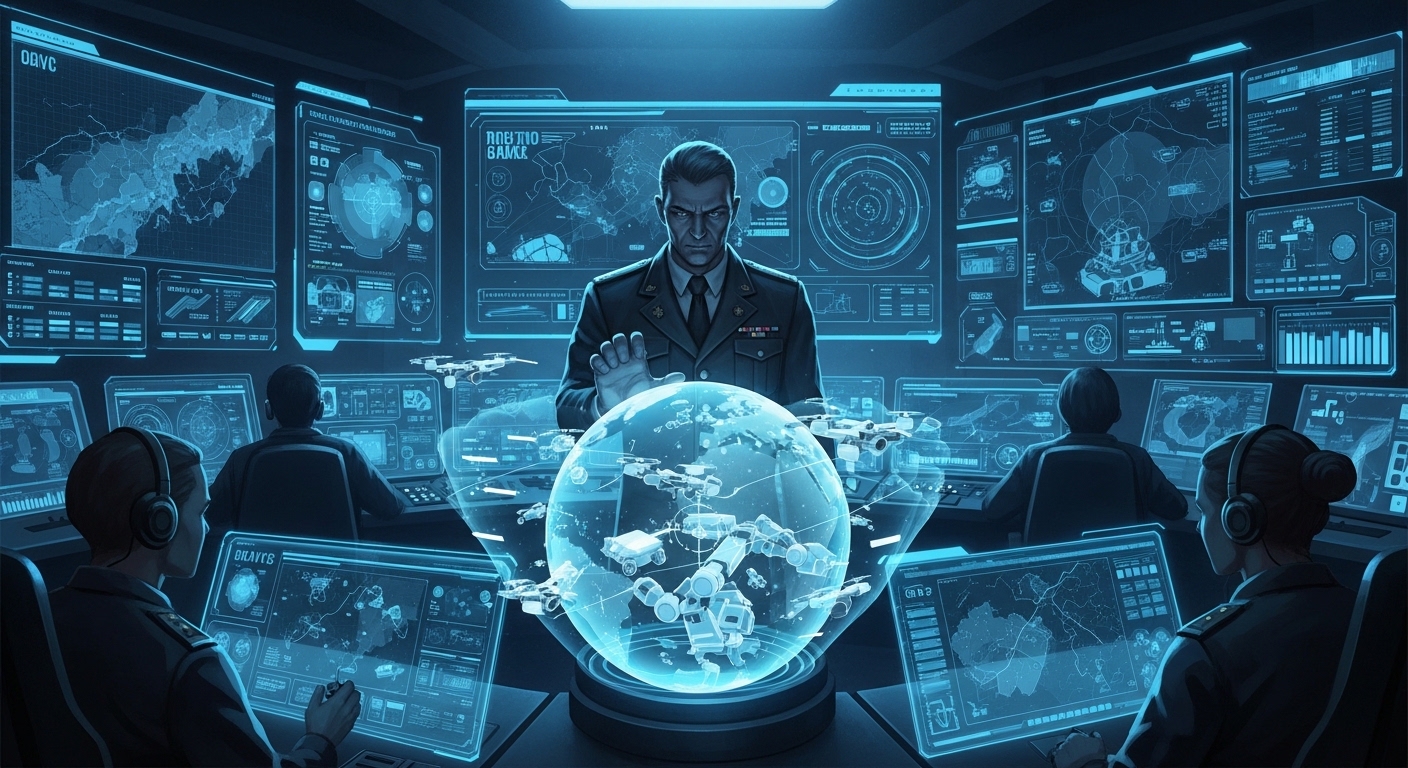
New battlefields produce massive amounts of data. Satellites record high-resolution photos, drones offer real-time video video feeds, radar systems monitor movement at a large scale, and digital communications create video intelligence streams of signals at all times. This large amount of data cannot be measured in short intervals of time that human analysts need when it comes to military operations. The AI systems are thus important since they can quickly analyze big data, detect patterns, and offer commanders with insights into the operations. Instead of eliminating human decision-makers, AI increases the ability of human decision-makers to learn the battlefield better and react faster.
Intelligence analysis is one of the most important uses of AI in the war. Machine learning systems are capable of sifting through the surveillance footage, communication intercepts, and geographic information and identifying suspicious patterns or developing threats. This enables the military planners to develop a better operational image on-hand. The time that intelligence gathering and analysis would take before actionable conclusions were arrived at would be days or even weeks in past conflicts. Artificial intelligence can now shorten that time by a significant margin, as commanders can gain insights in a few minutes. This speed can either make or break an operation.
The other significant field that AI influences is target identification. The use of algorithmic tools in military forces has been on the rise to analyze extensive data in intelligence databases and point out possible threats or tactical points. These systems can be used to help the analysts to sift through massive volumes of information and give potential targets that need verification. Notably, the decisions on the application of force are made by human commanders. Nevertheless, AI is much faster in reducing the quantity of the most pertinent intelligence signals amid enormous amounts of data.
The field of logistics and operational planning in the military is also changing with AI. War is not merely combat but it is support of forces in complicated settings. The predictive algorithms can optimize the supply chains, predict the necessary maintenance of equipment, and make sure that supplies go to troops promptly. AI systems can predict the demands in the logistics before they run out by monitoring previous data on operations and present conditions at the battlefield. This would improve the operational preparedness and strength of the military forces in the case of long-lasting conflicts.
The emergence of unmanned systems has also increased the input of AI in the war. Drones and autonomous platforms are more AI-assisted in terms of their navigation, obstacle avoidance, and target tracking. Even though most systems continue to be monitored by human hands, artificial intelligence enhances the possibility of the system to work within a competitive environment where the communication cues can be affected. Artificial intelligence can assist drones to cope with the environment of electronic warfare, keep their trajectory, and collect information in hard-to-reach locations.
Another field in which AI is getting more significant is in cyber warfare. Contemporary armed forces have been relying greatly on digital infrastructure to communicate, issue commands and intelligence networks. These networks are monitored, suspicious activities identified, and real time responses to cyber threats are performed using AI tools. Meanwhile, offensive cyber capabilities also use algorithms analysis to detect vulnerabilities in the enemy systems. AI is a defender and a killer in this cyber warfare.
Although it has several benefits, increased use of artificial intelligence generates significant ethical and strategic issues. Critics claim that there is a high possibility of human oversight when so much relies on algorithmic recommendations and makes it more susceptible to errors. It is possible that the data inaccuracies, bias datasets, or bad programming might cause misinterpretation of the information on the battlefield. The human reflection and prudent judgement may be often reduced when the decisions are taken at the machine speed.
However, the contemporary use of AI in combat does not concern the question of human commanders replacement. Rather, it involves enhancing the human decision-making process, through offering quicker analysis and a greater level of situational awareness. The responsibility of the commanders will be to review the data produced by the AI systems and make conclusive operational decisions. In this regard, artificial intelligence is seen more as a highly developed analytical tool, rather than a combat agent.
The larger change that has occurred is the development of the data-driven warfare. The capacity to gather, process and analyze large volumes of information in a shorter period of time than the enemy is becoming the key to military power. Countries that are able to incorporate AI in their military units have a great edge in terms of speed, coordination and situational awareness. Artificial intelligence is becoming a focal point of strategic planning as the competition in the realm of technology improves.
Finally, the contemporary battlefield is becoming a multifaceted arena in which algorithms, sensors, and data networks work along with the conventional military units. Artificial Intelligence is not yet dominating the battlefield, but it is already restructuring the way wars are being cognitated, designed and fought. The wars ahead will be not only decided by the guns and men but also by the code that dictates the decisions on the same.
Author