

Video Release Prompts Hard Look at Street-Level Force
POLICY WIRE — Albuquerque, N.M. — In a city accustomed to the stark drama of life on its frayed edges, the Albuquerque police department dropped another grainy digital narrative this week. It...

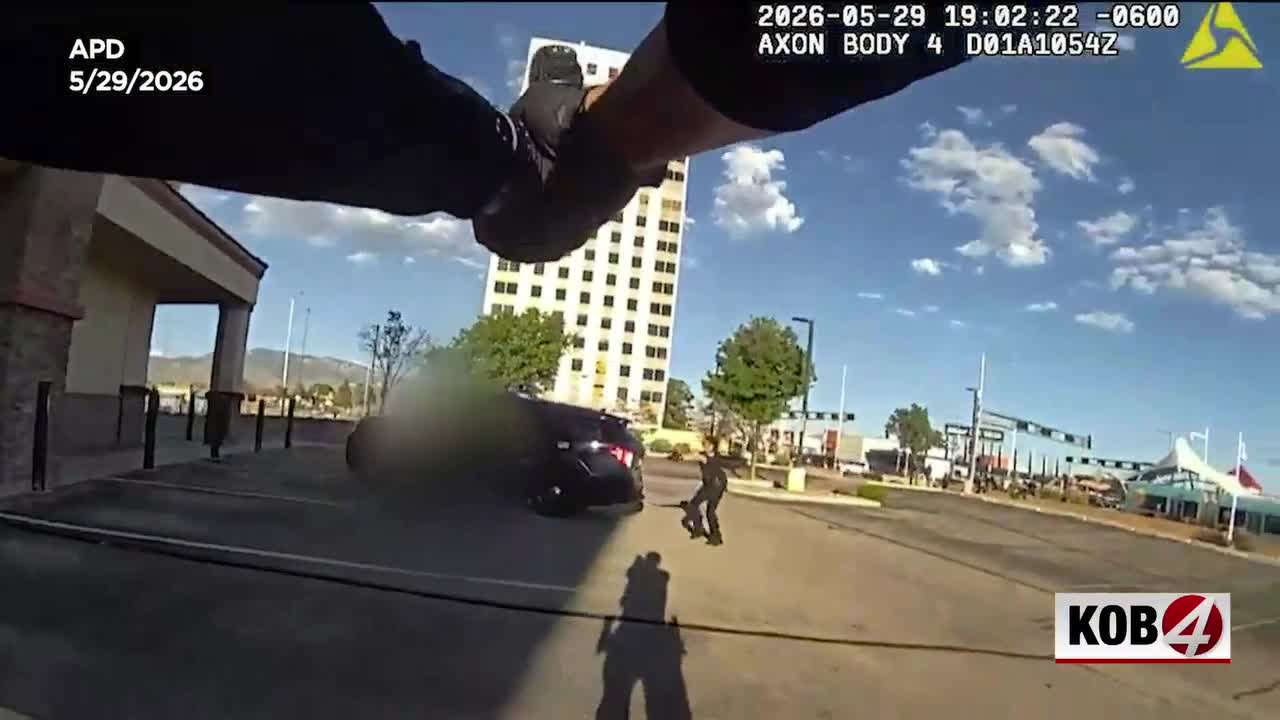
POLICY WIRE — Albuquerque, N.M. — In a city accustomed to the stark drama of life on its frayed edges, the Albuquerque police department dropped another grainy digital narrative this week. It wasn’t about a council meeting or a zoning debate. This was raw, immediate; the public consumption of a fatal encounter. It’s the kind of thing that makes you pause, isn’t it? When a city government releases lapel video from Friday’s deadly shooting near Central and San Mateo
, it’s never just about the event itself. It becomes a Rorschach test for how we view authority, individual rights, and what exactly we expect from the uniformed protectors. There’s always more beneath the surface, even in the clearest footage.
And so, we learn the facts as presented. Officers involved in the incident said they shot a man who was holding a large knife
. The deceased, identified as Robert Salas, 35 years old, had apparently been a subject of concern long before the fatal bullets. Police initially responded to reports that 35-year-old Robert Salas was trespassing near Central — and San Mateo
. This is where the story shifts from a simple call-out to something far more desperate. Salas, upon sight of the officers, Salas tried to run
. An officer, in pursuit, chased him across the street to the closed Walgreens
. But then what? A split-second decision in a very exposed place. [QUOTE_PLACEHOLDER]
It was during this chase, according to the official account, that the officer noticed Salas was holding a large knife
. But police also quickly released photos of the knife Salas allegedly had at the time of the shooting
. It seems there was a push to control the narrative, to present the facts—or at least the optics—before public speculation could truly ignite. Albuquerque Police Chief Cecily Barker didn’t waste time either. She made sure the public knew Salas had a lengthy wrap sheet, served time for a child abuse conviction in 2019 and was on probation at the time of the shooting
. Because, you know, character is everything in these tales, especially posthumously.
But does a rap sheet, however long, fully explain the tragic calculus of a police shooting? That’s where the analysis always begins, isn’t it? The Multi-Agency Task Force, as expected, is investigating the case. That’s standard operating procedure. They’ll pore over the footage, interview witnesses, check ballistics, all the meticulous details that make up an incident review. Still, you can’t help but feel a weary sense of repetition. It’s a recurring drama in America’s urban landscape, from its most bustling metropolises to its sun-baked desert cities like this one. Each frame, each shouted command, each bullet spent, gets scrutinized under a magnifying glass, and still, the core questions about de-escalation, training, and systemic pressures often remain frustratingly unanswered.
Because while the immediate details unfold in Albuquerque, the conversation echoes globally. Discussions about police accountability, disproportionate use of force, and the militarization of civilian law enforcement aren’t unique to New Mexico. They’re debated fiercely in Dhaka’s bustling streets, resonate in Karachi’s sprawling informal settlements, and spark protests in the townships surrounding Johannesburg. Just as American civil rights groups challenge state-sanctioned violence, so too do activists across Pakistan and other Muslim-majority nations demand greater transparency and human rights protections from their own security apparatus. It’s a common, if bitter, thread running through modern governance. After all, the exercise of state power, particularly lethal power, invariably generates scrutiny—it always should. The UN Human Rights Office reported over 40,000 cases of alleged unlawful killings by security forces worldwide since 2000, underscoring this pervasive challenge.
We’re talking about a human life here, after all. A life taken, whether justified or not. And it wasn’t just a simple report of trespass. It ended in a very definitive way, permanently closing the chapter on Robert Salas’s struggles. The community, one would assume, grapples with this; a sense of unease percolates below the surface. Does a system designed to protect, also — inevitably — fail some it encounters? It’s a question that dogs law enforcement in every country grappling with rule of law.
What This Means
This incident, far from being an isolated occurrence, represents a persistent fault line in contemporary policing and societal expectation. Economically, prolonged scrutiny and potential litigation resulting from such high-profile events drain municipal resources—resources that could otherwise be directed towards preventative social services or community engagement programs. Politically, every release of such video clips — deliberate or forced — feeds into the national debate on policing reform, impacting everything from police union negotiations to city council budget allocations. There’s a tangible economic ripple effect; trust in institutions erodes, which, in turn, can discourage investment in areas perceived as unstable or prone to civil unrest. This is especially true for marginalized communities who often bear the brunt of both crime and aggressive policing tactics. For these populations, often viewed suspiciously by authority, every interaction carries higher stakes.
From a policy perspective, incidents like this compel jurisdictions to re-evaluate their de-escalation training protocols and mental health response capabilities. There’s an urgent, practical need to invest more robustly in alternatives to lethal force. When officers confront individuals in mental health crises or under the influence—which appears to have been the case for Salas based on the swift emphasis on his record—the default shouldn’t be a foot chase that culminates in a fatality. The global implications are equally significant: nations across South Asia, for instance, often look to Western policing models, sometimes adopting their less effective, more coercive elements. Without strong, transparent accountability, police forces risk losing public confidence, which, as history shows, is a dangerous predicament for any government.