


Celtic’s Grueling Grind: The Unseen Currency of Pre-Season Hope
POLICY WIRE — Glasgow, Scotland — While the emerald greens of Glasgow remain comfortably draped in summer languor, thousands of miles away, under a more forgiving Iberian sun, Callum McGregor was...

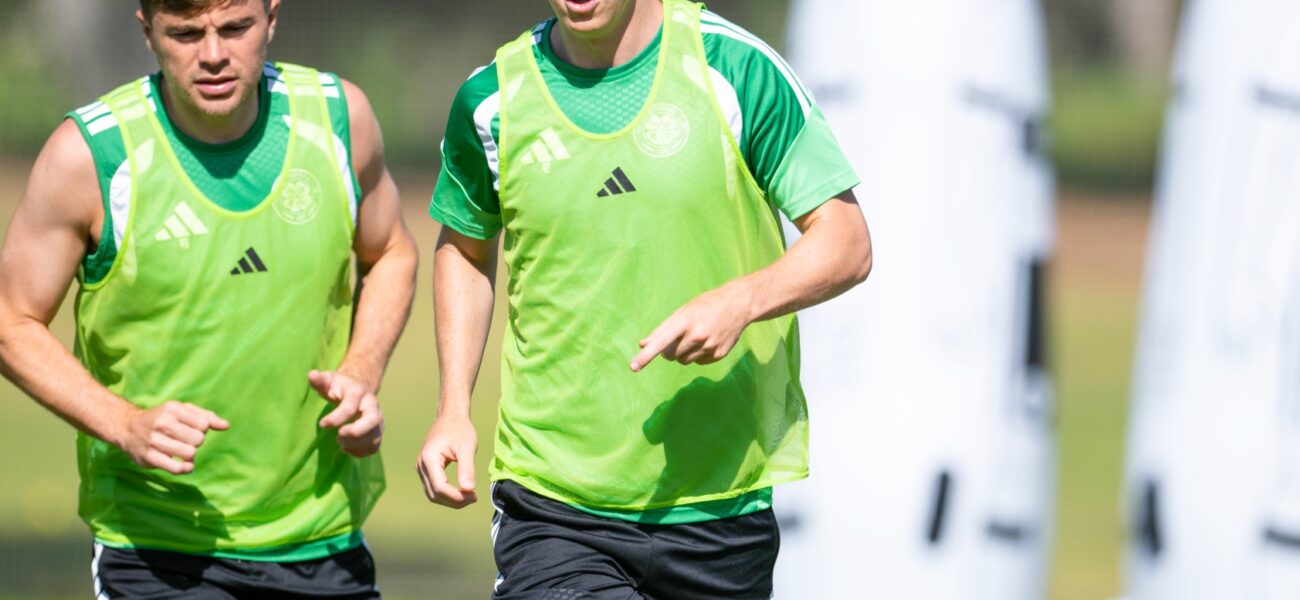
POLICY WIRE — Glasgow, Scotland — While the emerald greens of Glasgow remain comfortably draped in summer languor, thousands of miles away, under a more forgiving Iberian sun, Callum McGregor was wrestling with the unromantic grind. Not the thrilling roar of a match day, but the relentless, often brutal, monotony of pre-season training. It’s where the illusions fade, replaced by sweat, lactic acid, and the quiet expectation of an entire institution resting on sinews. The public sees only the sleek finished product; the real story is usually far less glamorous—a dirty secret in plain sight, you might say.
Celtic’s captain, a man whose face bears the tell-tale lines of endless campaigns and the burden of club history, knows this game better than most. He’s seen a dozen of these warm-up circuses, yet the ritual always demands the same unblinking commitment. His message to the squad, delivered in those sun-baked Portuguese sessions and during earlier home stints, wasn’t about flair or tactics alone. It’s about ‘standards,’ he says, and ‘accountability.’ Pretty unsexy words for a sport so often defined by its visceral appeal. But they’re the bones, aren’t they? The scaffolding beneath the glittering edifice.
“I’ve had quite a few pre-seasons now but it’s always good to come away and concentrate and get the work in and get things moving,” McGregor told CelticPlayer. “A lot of the time what carries us through is the standards and I always try to say that to the players – it’s what we hold ourselves accountable for.” You can almost hear the quiet weight of leadership in that statement. He’s not just a midfielder; he’s the chief cultural architect on the ground, dictating the psychological tempo of the squad, both on and off the park.
But there’s a whole lot more at play here than just collective sweat. For a club like Celtic, pre-season isn’t just about shaping calves — and perfecting set-pieces. It’s a commercial imperative, a finely tuned engine revving up for a multi-million-euro financial year. Because fan engagement, merchandise sales, and those lucrative UEFA Champions League qualification berths hinge directly on early season momentum and, ultimately, success. We’re not just talking about football anymore, are we? This is big business.
And those initial tough fixtures, like the one against Sporting CP and the upcoming clashes against Middlesbrough and European heavyweights AC Milan, aren’t just tune-ups. They’re temperature checks. Early declarations of intent, or quiet confessions of weakness. A bad start, after all this alleged ‘hard work,’ reverberates far beyond the touchline. Because let’s be frank, modern football doesn’t forgive many false steps, particularly at this level.
“There are obviously a lot of variables in football,” McGregor continued, detailing the delicate balance of chance and discipline, “but the one thing that we can do when we cross the white line as players is hold each other accountable to the highest standard that we possibly can and I believe if we do that enough times then generally that’s what builds successful teams.” This isn’t just locker-room talk; it’s a strategic philosophy. You’d better believe it’s filtering up to the boardroom, where spreadsheets matter more than thunderous volleys.
Consider the raw numbers: according to Celtic’s own financial statements, the club reported revenues topping £119.9 million for the 2022-23 season alone. A significant portion of that – think tens of millions – can be tied directly to European competition earnings, domestic league performance, and the global brand reach success cultivates. No wonder these pre-season weeks carry such heavy commercial undertones. The Hoops aren’t just playing for bragging rights; they’re playing for market share. It’s the same brutal calculus that drives all top-tier global sports, from Green Bay to Guangdong.
Even the far-flung diaspora, from Glasgow to Lahore, tunes in. Football’s growing footprint in regions like Pakistan and throughout the South Asian and Muslim world isn’t merely coincidental. Clubs like Celtic, through media visibility and community engagement, are cultivating burgeoning fanbases in areas traditionally dominated by cricket. That emotional investment, whether in Bradford’s Scottish enclaves or Karachi’s digital viewers, translates into real financial and symbolic capital. It’s all about eyeballs, global ambitions, and that relentless pursuit.
📄 POLICY WIRE WHITEPAPER PUBLISHED: PAKISTAN'S NATIONAL SECURITY POLICY PRIORITIES
👉 READ BY CLICKING HEREWhat This Means
McGregor’s steadfast commitment to “standards” isn’t just good sportsmanship; it’s economic pragmatism wrapped in a footballer’s idiom. This isn’t a warm-up; it’s an audition. Not just for squad places, but for investor confidence — and the faith of a global fanbase. Failure to extract maximal value from this period of intense preparation isn’t merely a sporting disappointment; it represents a tangible hit to future earnings and brand equity. A lacklustre showing against an AC Milan or even a robust Middlesbrough means fewer high-value friendlies, potentially lower TV revenues from the UEFA markets, and a discernible slump in merchandise interest amongst the crucial younger demographic. Because success, on — and off the field, is currency. And right now, these early performances are defining its exchange rate.
“We can’t simply rest on past glories; the competitive landscape—both domestic and European—demands relentless innovation and maximal physical conditioning from our players,” remarked Liam Kelly, a Celtic board member, during a recent internal address, reflecting the broader economic expectations. “Our pre-season work isn’t just about preparing for a league title; it’s about safeguarding the financial health and global standing of our club for years to come.” You don’t get much more blunt than that, do you?
“The modern player doesn’t just compete physically, but mentally,” observed Dr. Zara Haider, a sports psychologist with extensive experience in the European game. “McGregor’s emphasis on accountability under duress—the very core of pre-season fatigue—is exactly what differentiates teams with deep mental fortitude from those that crumble under sustained pressure. It’s an invaluable, yet unquantifiable, asset.” But it’s an asset that pays dividends. Because when the stakes are this high, a team’s collective spirit isn’t just poetic; it’s profitable. It truly is.