


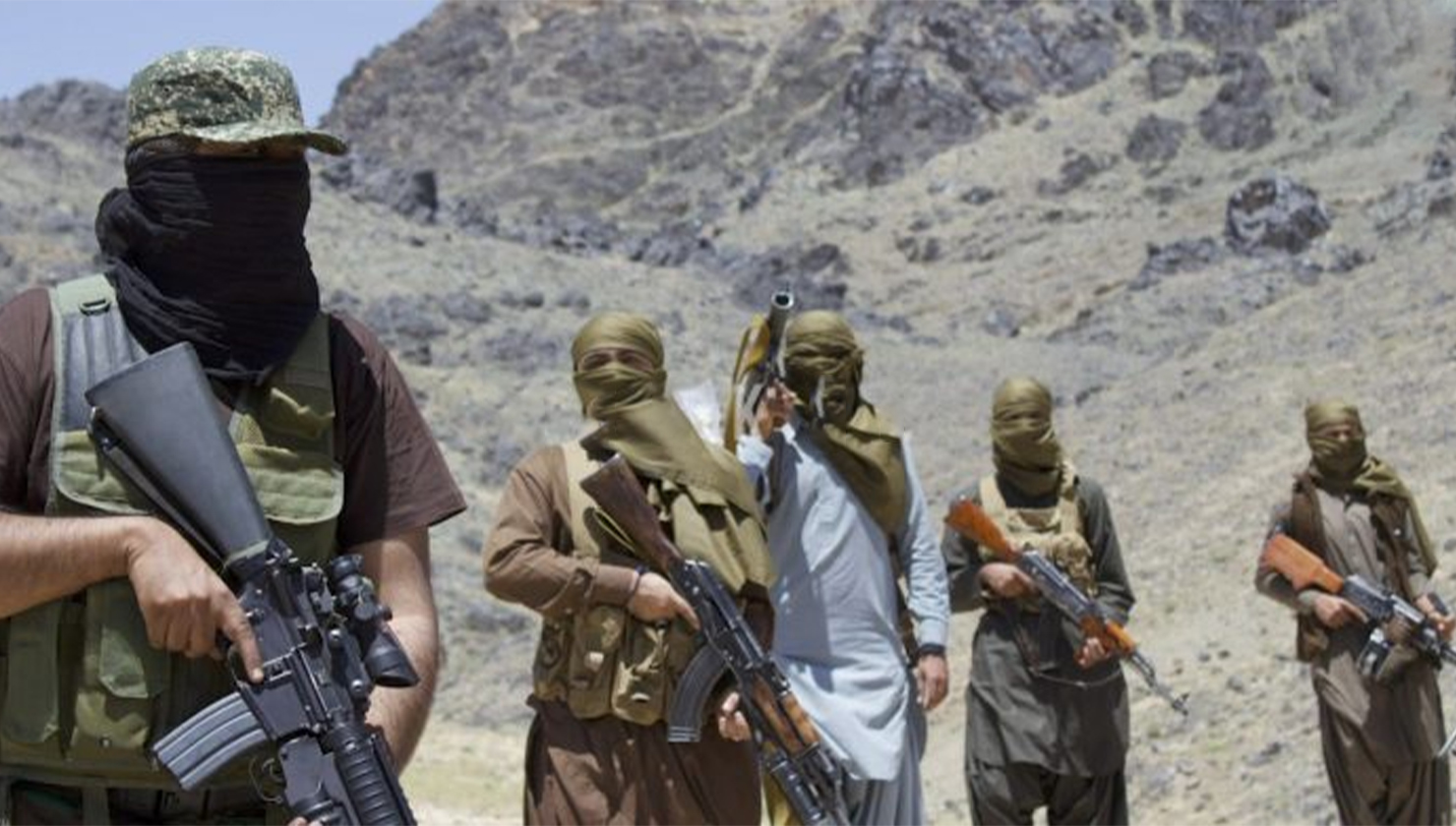
Recently, many social media accounts have been seen reposting and widely sharing video content that was first shared by an account with the name Al-Muqatil. There has been a lot of discussion about this video, especially since it has been proven to be real by independent analysis. The study proved that the videos are not manipulated, changed, or reused from older material. Instead, they are brand new and have not been released before. This proof has sparked even more interest, and now many people are wondering where the video came from and why it was released.
As these movies get more views on the internet, a new trend has been noticed: people with ties to the Balochistan Liberation Army (BLA) and the Balochistan Youth Council (BYC) are becoming more interested. Both of these groups have a history of getting help from unfriendly intelligence networks, especially those based in the West, as well as India’s Research and Analysis Wing (RAW). Given their known ties, their rising worry over the Al-Muqatil footage brings up important questions about how these videos might affect their work and stories.
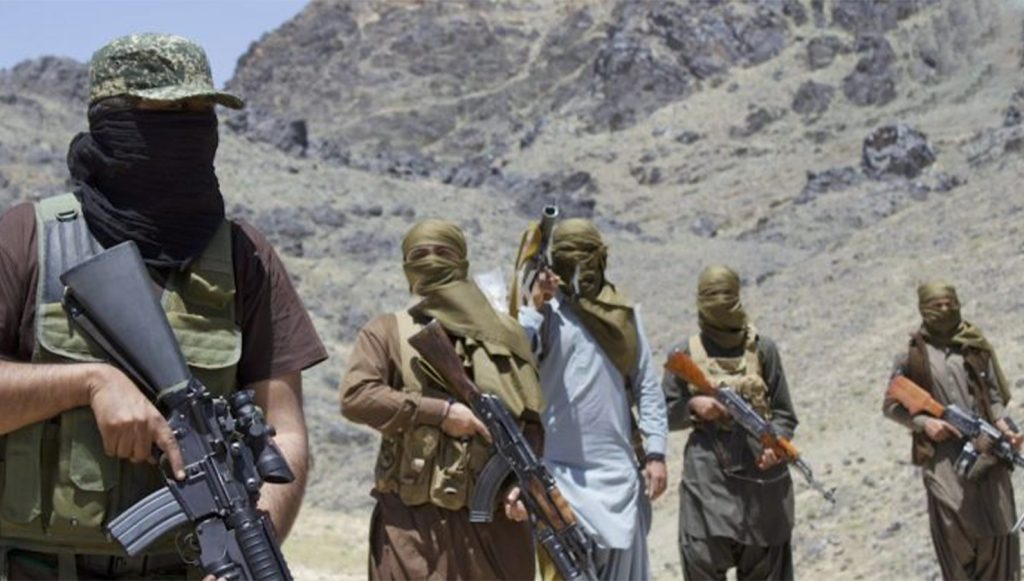
That the video itself shows the elimination of FAK, an event that is very important to some groups, makes it even more interesting. The sudden release of this material has caused a storm of reactions, and many of BLA and BYC’s managers are now talking publicly about the videos. Several important questions have been at the center of their conversations: Who is the person behind the Al-Muqatil account? Where did you get the footage exactly? Why did it come out at this particular time? These questions show that these managers are feeling uneasy and uncomfortable, which means that the videos have touched a nerve in their networks.
This kind of thing has happened before. In the past, when sensitive footage of military or spy operations was made public, it often led to more scrutiny from groups with a stake in the matter. The Center for Strategic and International Studies (CSIS) did a study on digital warfare and propaganda and found that extremist groups and the people who work with them closely watch the internet for things that could either back their stories or show them to be false. When these groups see media that goes against what they believe, they often try to dismiss, question, or use the information for their own purposes.
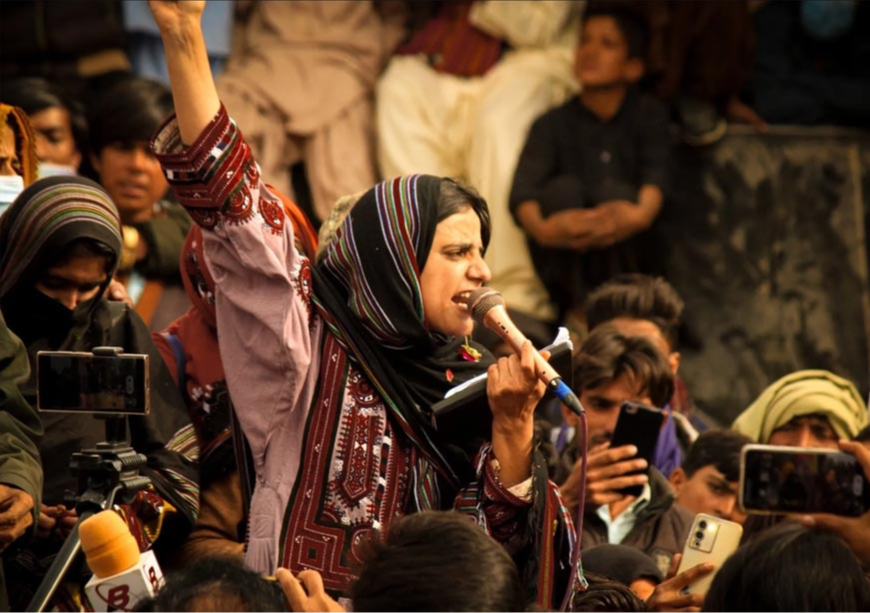
In the same way, the way BLA and BYC handled this case shows a concerted effort to understand the footage and maybe even control the story that comes out of it. The fact that these groups aren’t just ignoring the videos but are instead looking into where they came from and what they mean shows that the footage is important. This kind of response is similar to what intelligence-backed groups have done in the past when they tried to counter or change stories that showed their flaws.
Based on statistics and a study of social media, videos showing conflict zones or militant activities tend to spread very quickly, especially after being proven to be real. An investigation by the Oxford Internet Institute discovered that videos showing what life is like in conflict zones get three times as much engagement as other political material. This is in line with how quickly the Al-Muqatil video went viral and has gotten a lot of attention on many channels.
📄 POLICY WIRE WHITEPAPER PUBLISHED: PAKISTAN'S NATIONAL SECURITY POLICY PRIORITIES
👉 READ BY CLICKING HEREAlso, cases from the past show that intelligence-backed groups like BLA and BYC often respond quickly to media that challenges their stories. When video from 2021 showed militant actions in Balochistan, people with ties to those groups were seen working together to discredit the footage. Similar strategies seem to be at play here, as the managers don’t directly deny the videos but instead look into their authenticity, where they came from, and their strategic purpose.
The fact that these networks are getting more and more interested in these videos is not a one-off event; it’s part of a larger trend of information warfare. Groups with the help of unfriendly intelligence agencies often use the internet to change people’s minds, change stories, and find people who agree with them. When content that contradicts their version of events is made public, especially when it is verified, it throws their plans off and forces them to defend themselves.
We still don’t know how these groups will react to the content in the end. Some people in their networks are wondering where it came from, and others may try to change the story to fit with their bigger goals. But the fact that BLA and BYC handlers are looking into things very closely right away shows that the release of the Al-Muqatil video has had a big effect. The fact that they are looking for answers shows that the material has added a new factor to their operations that they weren’t expecting and are now having a hard time dealing with.
Even though technology is always changing, the media’s part in shaping stories about conflict is still very important. The fact that the Al-Muqatil footage was proven to be real shows how important it is to check information to fight false information and reveal how terrorist networks work behind the scenes. What’s happening with these videos will probably give us more information about the current information wars between different groups working in the area.
Author