

Unseen Enemy in Mountainair: Dogs Quarantined as Deadly Enigma Engulfs Small Town, Straining First Responders
MOUNTAINAIR, N.M. — It wasn’t the kind of call Fire Chief Josh Lewis signs up for, but he answered it — like any good first responder would. Except this time, the enemy wasn’t...

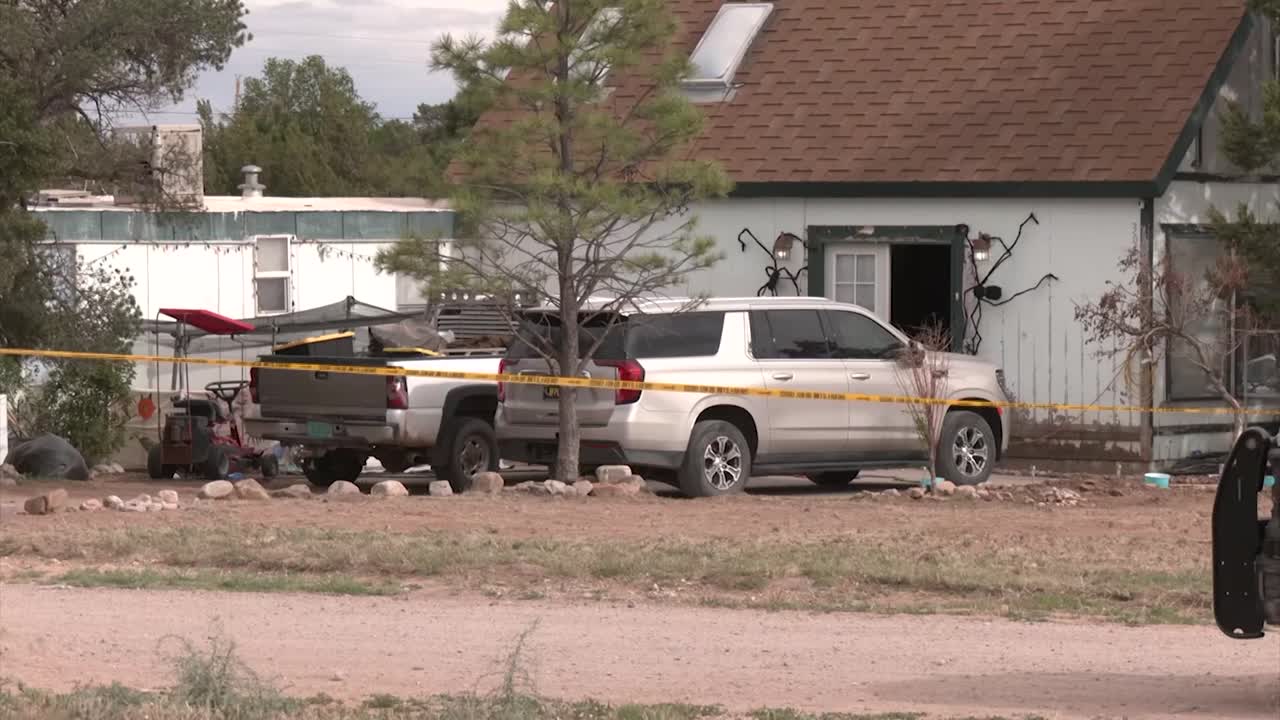
MOUNTAINAIR, N.M. — It wasn’t the kind of call Fire Chief Josh Lewis signs up for, but he answered it — like any good first responder would. Except this time, the enemy wasn’t fire, or a wreck, but something insidious, invisible, — and utterly lethal. Three souls are dead, dozens hospitalized, and a sleepy New Mexico town now holds its breath, waiting for answers about a killer lurking in plain sight. Lewis, an early responder, found himself among those poisoned by the unknown.
Initially flagged as a potential overdose incident, the scenario rapidly spiraled into a full-blown hazardous materials nightmare. Four people found themselves overcome in a local home. Two died at the scene, one more expired later in the emergency room after receiving Narcan, a stark signal that initial assumptions can often mislead. The horror didn’t stop there.
No, it didn’t. More than 25 individuals — including a staggering 18 first responders — were exposed, necessitating quarantines at the University of New Mexico Hospital. This incident, mind you, isn’t happening in some major metropolis with hazmat teams on every corner, but in a quiet place that probably just wants its local basketball hero back in the game, not its mayor fielding grim calls. For a municipality of Mountainair’s size, such a surge taxes everything, from hospital beds to already lean emergency services.
Mountainair Mayor Peter Nieto, sounding drained, put it bluntly regarding his EMS chief, Lewis: “He’s one of the first that went into the residence. That’s what we’re thinking — he was the one that got the most of it.” Lewis, thankfully, is on the mend and home, but his experience — a local leader struck down on duty — has rattled the community. It casts a long shadow, reminding us that danger doesn’t just hit the vulnerable, but those running into harm’s way, too.
And it’s not just humans feeling the squeeze of this terrifying mystery. Four dogs from the contaminated house are now holed up at Mountainair Animal Control, with staff decked out in full PPE just to get close to them. A fifth dog, for some inexplicable reason, remains at large, an unsettling loose end in an already frayed narrative. Jennifer Carter, who works at the Animal Control facility, painted a picture of caution, if not outright dread. “We’re wearing all of our PPE just to touch them,” she confirmed, the invisible threat demanding visible safeguards. “Right now there are no symptoms. We’re just going to keep an eye on them for the next 10 days.”
But beyond the practicalities, there’s an emotional toll. The dogs, bewildered, isolated, are caught in a human tragedy. Carter observed the animals “grieving, they’re very scared. They don’t know who I am or the volunteers, so they’re nervous — and apprehensive. But we’ll win them over.” It’s a small, poignant detail amidst a swirling cloud of uncertainty — even the creatures need reassurance when chaos hits home.
Because how many times do local governments find themselves utterly blindsided? New Mexico State Police are leading the charge, but federal muscle from the FBI — and DEA has had to parachute in. They’ve even confirmed air quality testing around the property, a move designed to soothe jittery nerves in a neighborhood now questioning the very air it breathes.
Still, the unanswered questions gnaw. What was the substance? Why did it rip through so many? And were initial safety protocols adequate for the first responders? These queries reverberate, not just in this small New Mexican valley, but in similar incidents worldwide. Just last year, an unforeseen environmental emergency along the Rio Grande sparked comparable public alarm, illustrating how quickly an unknown threat can erode civic trust. But perhaps a wider perspective on community vulnerability in facing the unknown is warranted. One doesn’t need to look far to see how chemical spills or factory discharges — often accidental but just as deadly — wreak havoc in developing economies. Take the countless informal recycling operations in cities like Lahore, Pakistan, where safety standards are often non-existent, and toxic exposure incidents routinely sicken, or worse, kill impoverished workers, often with far less public and governmental scrutiny than a major federal investigation in the U.S. gets.
Authorities have promised a public update, a long-awaited chance for clarity amidst the palpable fear. For now, the dogs wait, the town waits, and policy wonks everywhere watch how a community handles a threat that’s as mysterious as it’s lethal.
What This Means
This incident, small in geographical scope, projects a large shadow over public policy concerning emergency preparedness and response, particularly in under-resourced rural areas. First, it’s a grim reminder of the often-unseen risks emergency personnel face daily. Eighteen first responders down suggests a serious failure point — either in initial assessment, equipment availability, or training for highly ambiguous chemical threats. We’re not talking about your average kitchen fire here. Forcing such strain on a small-town EMS and hospital system exposes fundamental gaps in federal and state funding for local emergency services.
Politically, the handling of information — or the initial lack thereof — feeds public distrust, something hard to mend once fractured. Citizens aren’t just curious; they need to know if their officials have the wherewithal to protect them. Economically, even a short-term crisis like this strains local businesses, potentially leading to fear-based emigration, however slight. Long-term, such events influence policy on hazardous waste disposal, emergency medical training, and public awareness campaigns. It also poses difficult questions about animal welfare during health crises, often an afterthought, but in this case, a stark reflection of the broader contamination. It’s a localized tragedy, yes, but it carries far-reaching implications for how communities, especially those on the periphery, grapple with modern threats — known or otherwise.