


Painted Eyes: Rio Rancho’s Vandalized Cameras Expose Deeper Divides
POLICY WIRE — RIO RANCHO, N.M. — It isn’t exactly the storming of the Bastille, but in the sprawling New Mexico high desert, a new form of resistance is quietly, almost artistically, taking...

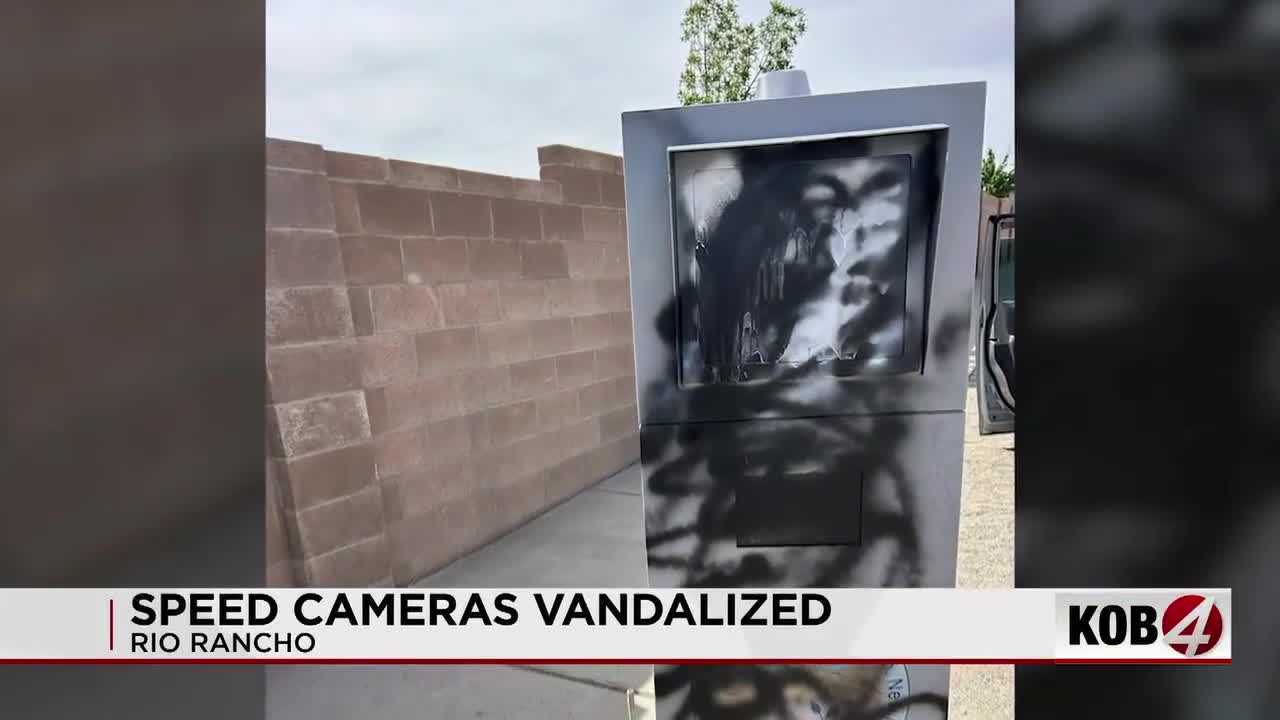
POLICY WIRE — RIO RANCHO, N.M. — It isn’t exactly the storming of the Bastille, but in the sprawling New Mexico high desert, a new form of resistance is quietly, almost artistically, taking hold. Not with fiery speeches or organized protests, but with spray paint. Someone, or perhaps a daring collective, has declared war on Rio Rancho’s speed cameras, cloaking their electronic eyes in crude, anatomical graffiti that speaks volumes without uttering a single word. It’s messy. And frankly, it’s a bit childish. But it reflects a simmering unease—a palpable societal twitch against the automated watch.
Over the past week, two of Rio Rancho’s sentinel speed cameras have been rendered blind, their digital gazes obscured by dark streaks of aerosol and unambiguous phallic caricatures. The targets, spread across both the city’s southeast and northeast corners, weren’t merely defaced; they were culturally re-contextualized. Police officials, whose job it’s to enforce, well, everything, are calling it criminal damage to property. Because it’s. But beyond the obvious illegality, there’s a curious undercurrent here—a public’s proxy punching bag, receiving an oddly personal artistic interpretation.
“It’s not just about a painted box; it’s about public safety and defying municipal authority,” remarked Lieutenant Maria Chavez, spokesperson for the Rio Rancho Police Department, her voice tight with thinly veiled exasperation. “This individual, or these individuals, aren’t just harming city property. They’re creating a potential hazard by disabling critical infrastructure meant to slow traffic and protect our families.” She’s got a point. Safety. It’s a real concern, obviously.
City maintenance crews have, predictably, been less than amused. They’ve seen worse, apparently—broken glass, smashed equipment. But these recent, somewhat less violent, attacks carry a different sort of sting. An implied insult, perhaps. An almost whimsical flipping of the bird to the digital omnipresence. “This isn’t some harmless prank,” said Alan Finch, Director of Public Works for Rio Rancho, rubbing a hand across his forehead during a phone interview. “It’s taxpayer money, time, — and resources diverted from actual infrastructure improvements. We’ve got potholes, not art critics, on staff.” And repairing these eyesores costs money, naturally.
Indeed, a 2022 study by the Insurance Institute for Highway Safety (IIHS) found that 35% of U.S. residents express strong distrust in automated traffic enforcement systems, often citing privacy concerns or believing them to be revenue-generating schemes rather than true safety measures. That distrust isn’t confined to small-town New Mexico. You see similar sentiment flare up globally. It echoes a certain low-level, almost artistic, defiance sometimes seen in urban centers from Lahore to Cairo, where public infrastructure often becomes an unwilling canvas for protest against opaque authority. From political murals to spray-painted slogans, the instinct to reclaim public spaces from what’s perceived as an impersonal state machine—it’s not a foreign concept. Maybe that’s what this Rio Rancho ‘artist’ thinks they’re doing. But really, it’s just vandalism.
Detecting the culprit, or culprits, won’t be easy. You’d think the cameras themselves would have a good shot of their tormentors. But no. The blurry, grainy footage often provides little beyond an indistinct silhouette—a ghost of frustration, disappearing into the high desert night. And the unique artistic signature, the repeating anatomical drawing? It only suggests a consistent vandal, not necessarily a traceable one. It’s a challenge.
Because ultimately, these aren’t just machines. They’re symbols. Symbols of an ever-watchful state, of regulations that often feel detached from community input, and of a debate over public safety versus individual freedom that rarely finds easy answers. It’s a localized skirmish in a much larger, global discussion about technology’s role in governance—and when citizens feel compelled to push back, even if it’s with an absurd sketch. Just consider how deeply distrust can impact institutional legitimacy, even when dealing with entirely different public spheres. The parallel, however faint, persists. They’ve just bought some spray paint, that’s all.
What This Means
This spate of low-grade vandalism in Rio Rancho, while seemingly trivial, highlights several underlying societal tensions. Politically, it signals a segment of the populace that views automated enforcement not as a public safety boon but as an oppressive tool of municipal revenue generation—a feeling common among residents who believe local governments are overreaching. It certainly fuels the ongoing public debate about privacy versus security in the digital age. But that’s complicated.
Economically, these acts represent a drain on municipal resources. Each damaged camera requires manpower, repair costs, and potential lost revenue from citations, diverting funds that could be used for other services. For a city like Rio Rancho, which balances rapid growth with essential service provision, these seemingly minor acts can add up. They might even escalate. Similar tensions sometimes surface around bureaucratic interventions, stirring local ire through unexpected channels. The incident also risks setting a precedent, inviting further, more serious acts of defiance if the perceived perpetrators go unpunished. It’s not just a few cans of spray paint. It’s a statement, however crude, against a faceless system. And the city’s going to have to decide if it just cleans the cameras or if it confronts the larger, less tangible, issues these defiant squiggles represent.