
Twilight Zone: Israel’s Northern Frontier Balances Uneasy Peace, Persistent War
POLICY WIRE — Tel Aviv, Israel — The scent of lemon blossoms sometimes wafts through the dusty air of Metula, carrying a whisper of tranquility you just don’t expect. But then a drone buzzes...

POLICY WIRE — Tel Aviv, Israel — The scent of lemon blossoms sometimes wafts through the dusty air of Metula, carrying a whisper of tranquility you just don’t expect. But then a drone buzzes overhead, or a low, distant thud vibrates through your chest, and the fragile illusion shatters. Up here, on Israel’s northern frontier, life operates in a peculiar kind of twilight zone—a permanent dress rehearsal for a war everyone knows is coming, yet still prays to avert. People don’t so much live as they exist in a state of suspended animation, always scanning the hills for what’s next. They’re watching, waiting.
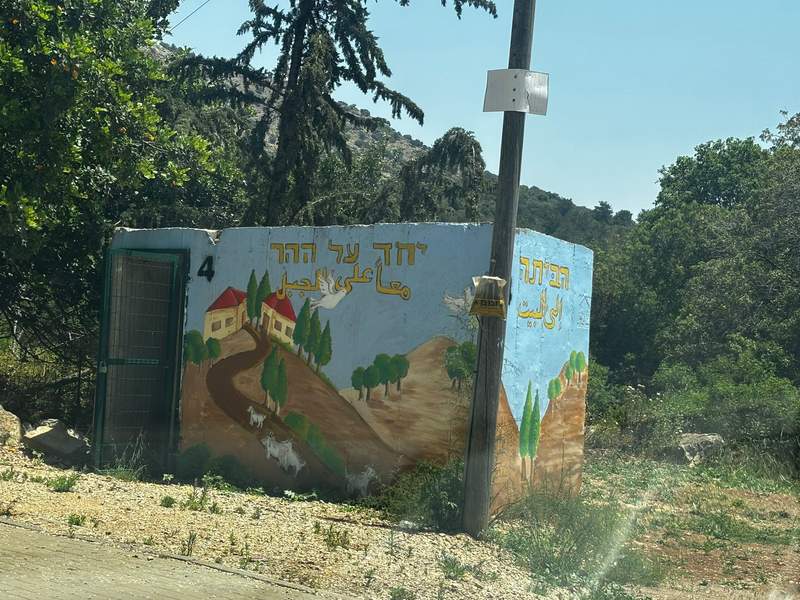
It’s a high-wire act, plain and simple. One minute, kids are riding bikes; the next, the entire town might be under a rocket alert. You see folks chatting over coffee, discussing produce prices, and simultaneously their eyes are flicking towards the border fence, a casual vigilance born of years of this strange, suffocating routine. And this isn’t some historical anomaly; this is daily life. Because up and down this stretch of the country, near places like Kiryat Shmona and along the demarcation line with Lebanon, the stakes are existential. It’s not just a geopolitical hotspot; it’s a constant, grating reality for thousands.
“We don’t have the luxury of wishful thinking here,” explains General Amos Yadlin, a former head of Israeli Military Intelligence, speaking from his office in Tel Aviv. His voice is measured, but the edge is clear. “The calm, it’s entirely conditional. It’s an absence of major confrontation, not a peace accord. Anyone suggesting otherwise either hasn’t been here, or isn’t paying attention.” That kind of blunt assessment, that brutal honesty, you hear it echoed across kibbutzim and military checkpoints, in the guarded conversations you might overhear in local cafes (the ones that haven’t shut down, that’s). They don’t sugarcoat it, — and they don’t pretend things are anything but tenuous.
The Israeli military presence is ubiquitous—armored personnel carriers trundle down roads where tractors once plowed, soldiers in combat fatigues dot strategic overlooks. And on the other side, just kilometers away, Hezbollah maintains its shadow network, its stockpiles, its ideological resolve. It’s an almost unimaginable juxtaposition: vibrant, civilian life existing within shouting distance of hardened, well-equipped militants. This uneasy stalemate drains resources — and human spirit. But they’ve gotta live somehow, haven’t they?
Indeed, the costs are substantial, going far beyond the tactical engagements that grab headlines. According to a 2023 report by the UN Office for the Coordination of Humanitarian Affairs (OCHA), nearly 100,000 Israelis and Lebanese have been internally displaced from border communities since renewed hostilities began, their homes becoming collateral damage in this never-ending chess match. It’s not just homes they lose, it’s livelihoods, connections, the fabric of their lives.
“The residents of South Lebanon—and those just across the line in Israel—they’re caught in a macabre theatre, waiting for the curtain to fall on another, potentially devastating, act,” offers Dr. Sameer Khan, a professor of international relations at the Lahore School of Economics. “It’s a human tragedy that the broader international community, frankly, seems to have little appetite to genuinely resolve, despite its reverberations across the entire Muslim world.” And he’s right. That sense of collective helplessness, or perhaps a frustrated solidarity, particularly when viewed from places like Pakistan or Indonesia, is palpable. There’s a shared historical narrative of external meddling — and protracted conflict that links these far-flung regions.
The global south, struggling for stability everywhere from Latin America to Afghanistan’s bitter harvest, watches the Middle East with a kind of weary recognition. This border zone, then, becomes a microcosm of larger battles—for sovereignty, for resources, for a dignified existence. And frankly, the diplomatic initiatives? They rarely seem to get anywhere, caught in the undertow of history — and ideology. It’s not just borders dividing these communities; it’s a canyon of mistrust.
What This Means
The perpetual state of readiness along Israel’s northern border isn’t just a military headache; it’s an economic anchor and a political powder keg. Economically, prolonged displacement and reduced tourism inflict significant damage on regional industries, impacting everything from agriculture to local businesses that can’t operate under constant threat. Investments dry up. Because who’s going to build a new factory when rockets are a real possibility? Politically, it grants hardliners on both sides continued leverage, stifling any real momentum toward de-escalation. The continuous threat reinforces nationalist narratives — and makes compromise appear treasonous. This dynamic also forces Israel to allocate substantial resources—manpower, budget, strategic focus—to this northern front, potentially diverting attention and capabilities from other strategic challenges or domestic needs. It’s a costly stalemate, both financially and in terms of lost opportunities for regional stability and cooperation, contributing to a sense of exhaustion that can easily boil over.
This enduring deadlock has implications that stretch far beyond the immediate protagonists. The instability here can—and often does—pull in regional and even global actors, escalating into proxy conflicts that undermine broader peace efforts, especially across the Muslim world. It reinforces the image of an inherently unstable Middle East, despite sporadic efforts towards normalization with Gulf states. And yet, this particular theater of conflict rarely enjoys sustained, top-tier international diplomatic intervention, perhaps due to donor fatigue or perceived intractability. They’ve kinda just left it to fester, haven’t they? The status quo, as dangerous as it’s, has become a depressingly familiar routine.