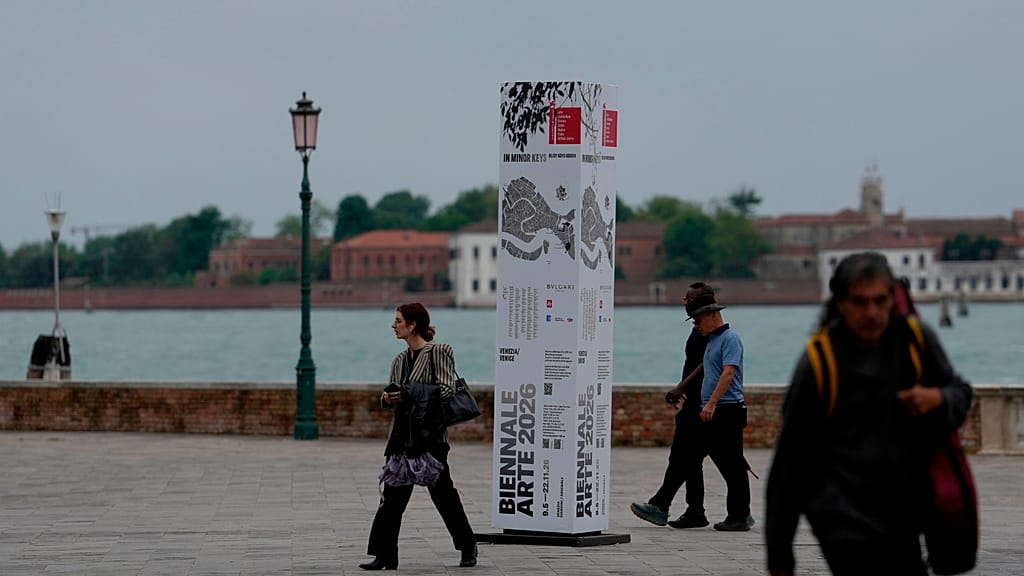
Grand Canals, Grand Grudges: Venice Biennale’s Gilded Cage for Global Fury
POLICY WIRE — Venice, Italy — Another spring, another shimmering parade of artistic ambition along Venice’s canals. Gondolas glide, champagne flutes clink, and the art world’s elite...

POLICY WIRE — Venice, Italy — Another spring, another shimmering parade of artistic ambition along Venice’s canals. Gondolas glide, champagne flutes clink, and the art world’s elite descend upon the ancient city for its most famous exhibition. But this year, the meticulously curated veneer cracked right open, letting a raw current of global grievance spill over.
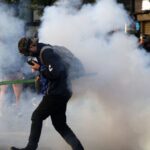
It wasn’t the avant-garde installations or the latest star curator everyone was talking about. It was the protestors. They weren’t quietly tucked away in a corner; they were front and center, a very audible, very visible, wrench in the gears of high culture. Because, let’s be real, a lot of folks can’t pretend the world’s troubles just disappear when the art lights come on. Art’s meant to provoke, right? Well, today, its audience is doing plenty of provoking back.
The Israel-Hamas conflict, like a brutal, uninvited guest, took a prominent seat at the Biennale’s table. Palestine advocates weren’t holding back, calling for the exclusion of Israel from the proceedings, making the kind of noise that usually sends curators scurrying. And they aren’t the only ones. The ongoing, ugly situation in Ukraine continued to cast its long shadow, with calls for boycotts and condemnations of Russia echoing through the ancient palazzo halls.
“We want to keep this space for art, for dialogue, for what truly unifies humanity,” lamented Gennaro Sangiuliano, Italy’s Minister of Culture, his voice reportedly tinged with exhaustion as he addressed the press. “But it’s getting harder, isn’t it? Art should be a haven, not just another battleground. Yet, here we’re.” He sounded less like a minister — and more like a harried innkeeper.
But how do you keep politics out when politics defines so much of the human experience these artists are supposedly exploring? You don’t, evidently. The visual spectacle of protestors waving Palestinian flags and Ukrainian banners against a backdrop of million-dollar art installations just felt—well, stark. It’s almost too on the nose, this contrast between beauty — and suffering, isn’t it?
A global art fair can sometimes feel like a detached, air-conditioned bubble. Not this time. These aren’t just local grievances. No, they’re part of a much broader sentiment that cuts across borders, from the cafes of Rome to the bazaars of Lahore. Folks in Pakistan, for instance, track these developments closely. They see these protests as extensions of global outrage over issues of sovereignty and justice, echoing conversations that happen thousands of miles away in their own mosques and community halls. For them, it’s not just a European cultural event; it’s a stage for a narrative with global repercussions, particularly regarding the Muslim world.
“To politicize art is to cripple its potential for understanding,” countered Eliana Rosenthal, a cultural attaché from the Israeli embassy in Rome, defending her nation’s presence at the exhibition. “These calls for boycotts aren’t promoting peace; they’re deepening divisions. Our artists have every right to exhibit, to speak through their work, just like anyone else.” She’s got a point, of course, about free expression, but that gets murky when geopolitical firestorms are raging.
This whole situation lays bare a common dilemma for global events. Do you maintain an apolitical stance, becoming effectively complicit in ignoring realities? Or do you embrace the fray, risking alienating participants and transforming an artistic forum into a political boxing match? It’s a no-win scenario, mostly. Because trying to cordon off art from life is just plain silly; life keeps seeping in through the cracks, doesn’t it?
Consider the numbers: cultural events like the Biennale attract an estimated 600,000 visitors, pumping hundreds of millions into Venice’s local economy, according to municipal reports. Meanwhile, global humanitarian aid requests surged past $31 billion last year alone, as detailed by the UN’s Office for the Coordination of Humanitarian Affairs. That chasm—between the resources spent on curated aesthetics and the bare necessities of survival for millions—it just feels sharper at an event like this.
And it’s a trend that extends far beyond the canals of Venice. From academic conferences to international sporting events, the line between cultural exchange and political statement has blurred almost entirely. It’s not a temporary glitch; it’s the new normal. For more on how global upheaval reshapes the expectations of stability in the developing world, consider Flicker of Hope Amidst Economic Turmoil: Global South’s Enduring Struggle for Stability. You’ve got to wonder if any large-scale gathering can ever be truly neutral again.
What This Means
The spectacle in Venice is far more than just a momentary blip of inconvenience for art aficionados. It signals a hardening reality: no major international platform—be it sports, diplomacy, or high culture—can insulate itself from the roiling geopolitical climate. Governments, particularly those navigating complex foreign policy dynamics, can’t just send cultural envoys to these events and expect plain sailing. Every gallery opening, every artist’s statement, every national pavilion becomes a potential flashpoint. The financial and reputational stakes are now immensely high, as public sentiment can quickly turn, affecting tourism, investment, and diplomatic relations.
Economically, for host cities like Venice, this presents a tricky situation. While the Biennale injects millions, sustained, high-profile controversies could, eventually, detract from its appeal. Corporations sponsoring these events will become more scrutinizing, wary of being associated with protests that could damage their brand. for nations under international pressure, their presence at such events often feels less like cultural promotion and more like a PR battle, requiring strategic maneuvering on par with political summits. And these shifts aren’t going to evaporate soon; they’re embedded in our globally connected, eternally agitated age. The genteel age of art for art’s sake? That’s largely a fable now.