

Transforming Dormancy into Growth: Pakistan’s New Industrial Vision
Pakistan’s Economic Coordination Committee (ECC) has approved a landmark plan to convert 3,200 acres of idle Pakistan Steel Mills (PSM) land into a modern industrial estate. Once the country’s...

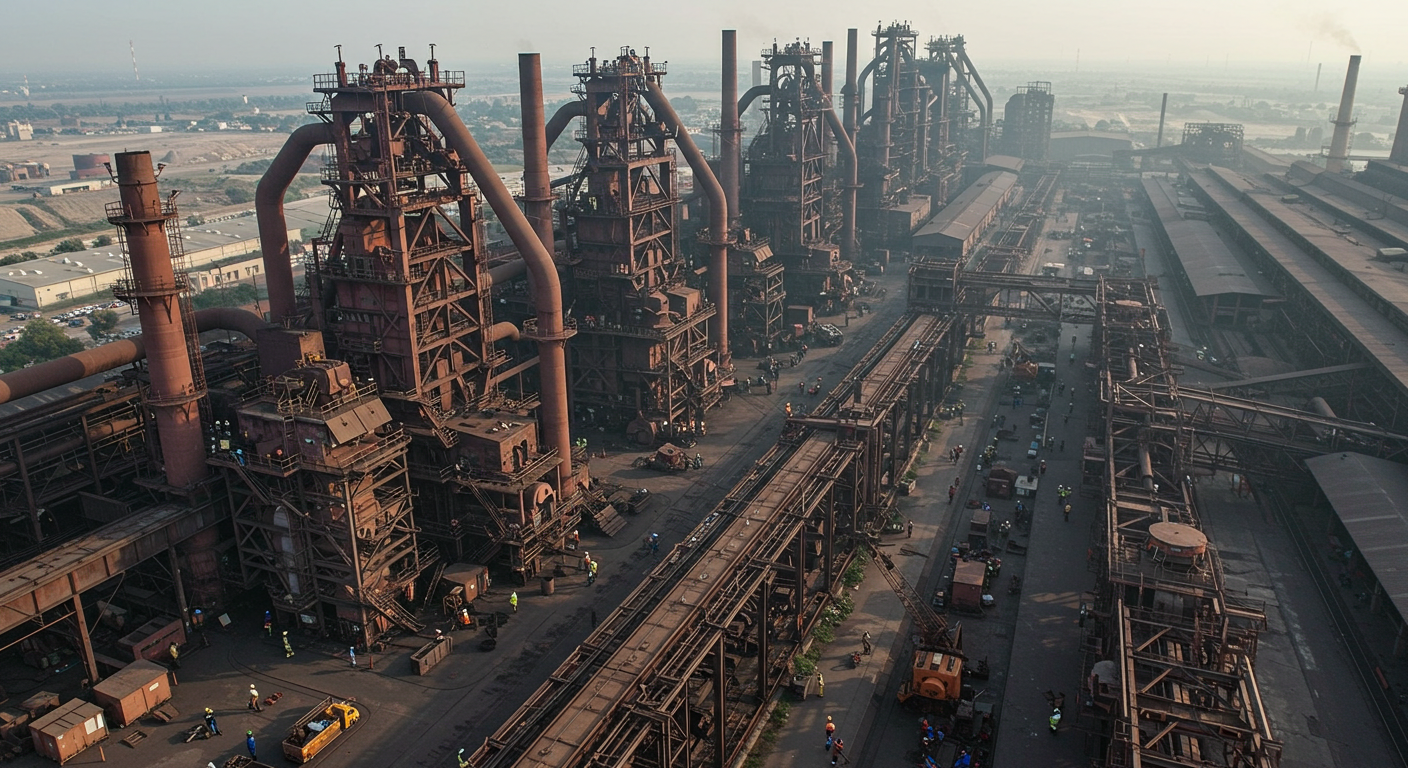
Pakistan’s Economic Coordination Committee (ECC) has approved a landmark plan to convert 3,200 acres of idle Pakistan Steel Mills (PSM) land into a modern industrial estate. Once the country’s largest industrial complex, PSM has been inactive since 2015 due to legacy structural challenges and shifting market conditions. The decision, finalized after consultations with the Sindh government and the Special Investment Facilitation Council, overturns a ban on leasing the site. By officially changing its designation from steel production to industrial use, the project aims to create thousands of jobs and attract investment. Karachi’s location near major ports makes it an ideal base for manufacturing and exports. Importantly, the ECC has stressed private sector development without drawing on taxpayers’ money.
The PSM site carries both symbolic and economic weight. Established as a pillar of industrial self-reliance, its reduced operations reflected a mix of external pressures and operational constraints over the years. The new plan avoids outright sale, opting instead for licensing to lower costs for investors while preserving state ownership. This approach retains the option of leveraging land value in the future to address PSM’s Rs400 billion liabilities. The Ministry of Industries notes that regional competitors offer generous incentives, making efficient land allocation a vital competitive tool. Parallel talks with Russia may pave the way for a steel revival, with Moscow expressing willingness to finance and conduct a feasibility study.
PSM owns over 19,000 acres in Karachi, with 6,409 acres deemed suitable for industrial use. Of this, the ECC has earmarked 3,200 acres for the first phase of the estate. To ensure transparency, the Board of Investment will create clear criteria for allotment within one month. Reversing the 2022 ban on leasing opens space for industrial expansion while keeping strategic control in government hands. By licensing land rather than selling it, the state creates competitive opportunities for manufacturers while ensuring strategic oversight. If developed efficiently, the estate could emerge as one of South Asia’s most competitive manufacturing hubs.
The ECC also approved a Rs2.9 billion ($10 million) allocation to upgrade PTV World, Pakistan’s state-run English-language news channel. The funds, diverted from the government’s publicity budget, will modernize infrastructure, enhance broadcast quality, and expand global reach. Authorities see English-language broadcasting as vital for projecting Pakistan’s narrative abroad to diplomats, policymakers, and foreign media. The Ministry of Information noted that PTV World’s wartime transmissions had boosted public morale and showcased the Armed Forces’ professionalism internationally. The upgrade is expected to strengthen Pakistan’s media influence in a competitive global environment.
A modernized PTV World is more than a technical project; it is an investment in soft power. Competing globally requires credible journalism, digital integration, and the ability to frame issues from a Pakistani perspective. The ECC has instructed the channel to develop a business plan for financial self-sufficiency, reducing reliance on federal grants. A well-managed English news platform could enhance Pakistan’s profile on issues like climate change, trade, and security. This upgrade also offers an opportunity to train a new generation of media professionals capable of meeting international standards. The challenge lies in matching technical improvements with editorial innovation.
In the trade policy context, ECC has approved the elimination of health quarantine certificates for leather imports and leather exports. The removal of the health quarantine certificate process means the procedures will be streamlined, the costs reduced and shipping will be expedited, improving trade flows for one of Pakistan’s largest export industries. The leather industry has been a long-time foreign exchange earner for Pakistan; but it competes in markets where regulatory processes are often faster. Reducing delays due to bureaucracy will help exporters secure contracts and capture more markets. However, if there is to be a sustainable capture of more markets in the leather industry, producers must also be investing in quality, design, and branding as it seeks to move to higher-value segments of the global leather market.
The ECC also sanctioned funds for the Ministry of Climate Change to support Pakistan’s participation in COP-30 in Brazil. This reflects a determination to maintain visibility in global climate negotiations after the country’s leadership in securing the “Loss and Damage” fund at COP-27. As one of the most climate-impacted nations, Pakistan’s role in shaping adaptation finance and securing technology transfer is critical. Active engagement at COP-30 can help secure resources for projects that protect communities from floods, droughts, and heatwaves. The grant ensures Pakistan’s voice remains central in advocating for climate-affected nations.
Together, these ECC measures signal a multi-pronged strategy for economic and diplomatic renewal. Transforming dormant state assets into productive industrial hubs could generate sustained manufacturing-led growth. Enhancing PTV World’s capabilities strengthens Pakistan’s ability to shape international perceptions, while regulatory reforms in the leather sector improve export competitiveness. Maintaining a strong presence in climate diplomacy ensures Pakistan remains influential in debates that affect its survival. Success will depend on disciplined execution, transparency, and consistent political will. If managed well, these initiatives could help chart a more competitive, resilient, and globally engaged future for Pakistan.
Author