
The Heartbreak of Buner and Swat: Pakistan’s Floods Demand Unity and Action
In the serene valleys of Buner and Swat, where the mountains cradle communities and the rivers whisper tales of peace, nature’s wrath has struck with devastating force. The flash floods of August 15,...

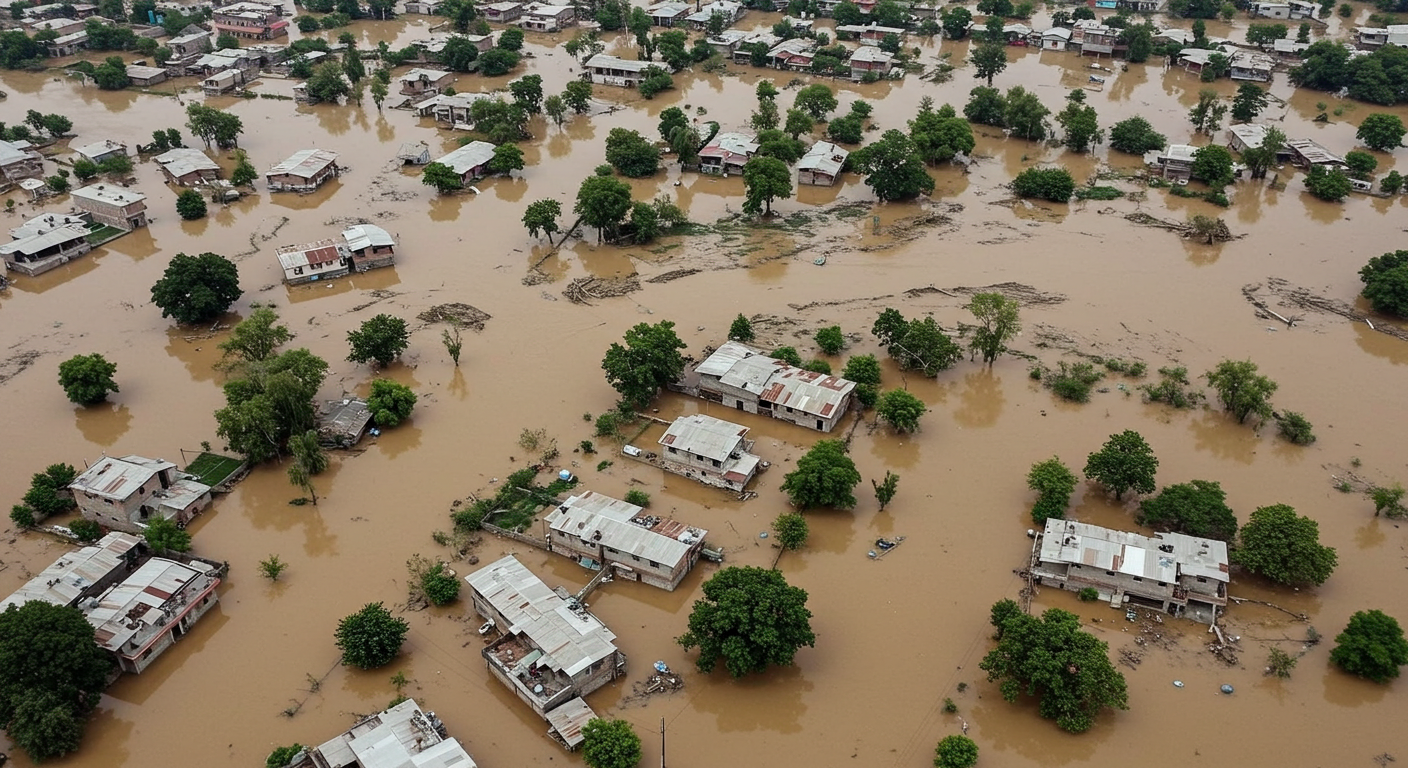
In the serene valleys of Buner and Swat, where the mountains cradle communities and the rivers whisper tales of peace, nature’s wrath has struck with devastating force. The flash floods of August 15, 2025, triggered by relentless monsoon rains and a massive cloudburst, have transformed these picturesque regions of Khyber Pakhtunkhwa (KP) into landscapes of loss. Over 243 lives have been lost across northern Pakistan, with Buner mourning at least 157 souls and Swat grieving 11, alongside dozens injured and countless displaced. Homes have vanished, roads are severed, and families cling to hope amid the wreckage. This tragedy, etched in the cries of survivors and the bravery of rescuers, calls for our collective empathy and action.
The scale of the devastation is unimaginable. In Buner, entire villages have been swept away, with over 78 deaths reported in a single day. Children, over 25 among the victims, and families were caught unaware as floodwaters surged through their homes. In Swat, the “Switzerland of Pakistan,” 11 lives were lost, bridges collapsed, and power outages left communities stranded. Nearby districts like Bajaur (21 deaths), Battagram (15), and Mansehra (14) share this sorrow, amplifying a regional crisis that has displaced thousands. A provincial health emergency grips six districts, including Buner and Swat, as disease looms and food shortages threaten survivors. Social media echoes with heart-wrenching images; families on rooftops, pleading for rescue, and parents mourning children swept away by the deluge.
The Pakistan Army has been a beacon of hope amidst this despair. With unwavering courage, soldiers have spearheaded rescue operations, navigating treacherous terrains to reach stranded families. Helicopters airlift survivors, deliver critical supplies like food and medicine, and evacuate the injured, despite the tragic loss of five personnel in a helicopter crash during a relief mission. Their efforts, alongside local volunteers and the Provincial Disaster Management Authority (PDMA), have saved countless lives, offering a lifeline to those trapped by the floods. The PDMA’s helpline (1700) and ongoing relief camps provide shelter and essentials, reflecting a nation rallying to support its own.
These floods, worsened by climate change, are a painful reminder of Pakistan’s vulnerability. Cloudbursts, sudden, intense downpours, are becoming more frequent, turning rivers into torrents. Deforestation and unplanned development have stripped natural barriers, amplifying the destruction. Pakistan, among the top 10 countries at risk from climate impacts, bears a disproportionate burden despite minimal contributions to global emissions. The melting glaciers of KP, fueled by global warming, add to the peril, making such disasters a recurring nightmare. Yet, the resilience of Buner and Swat’s people shines through, neighbours helping neighbours, sharing what little they have left.
The human toll is devastating. In Buner, entire neighbourhoods are gone, leaving survivors to face not just loss of home but also the trauma of lost loved ones. Swat’s tourism-driven economy, a lifeline for many, lies in tatters as hotels flood and roads vanish. Women and children, often the most vulnerable, bear the heaviest burden—trapped in homes or swept away while fleeing. The psychological scars will linger long after the waters recede, with families facing uncertain futures. Yet, stories of survival inspire: a mother shielding her child from the flood, a community pooling resources to rebuild.
This tragedy demands action, not despair. Pakistan can build resilience through reforestation to restore natural flood barriers, improved drainage systems, and early warning technologies to alert communities. The government’s efforts, like the PDMA’s forecasts and Army-led rescues, show commitment, but we need sustained investment in climate-resilient infrastructure. Internationally, wealthier nations must honour climate pledges, providing loss and damage funds to vulnerable regions like KP. Every citizen can contribute—donating to relief efforts, advocating for sustainability, or simply offering a hand to those in need.
As Buner and Swat begin to heal, we must honour the 157 lives lost in Buner, the 11 in Swat, and all those affected by standing together. The Pakistan Army’s bravery, the PDMA’s coordination, and the spirit of our people are our strength. These floods have broken homes, but not our resolve. Let us rebuild with compassion, ensuring the next rain brings hope, not heartbreak. The time to act is now—for Buner, for Swat, for Pakistan.
Author