

Beijing’s Black Gold Blight: China’s ‘Teapot’ Refiners Choke Amid Economic Chill
POLICY WIRE — Beijing, China — The hum of prosperity often signals oil refineries at full tilt. But these days, in China’s sprawling industrial heartlands—places far removed from...

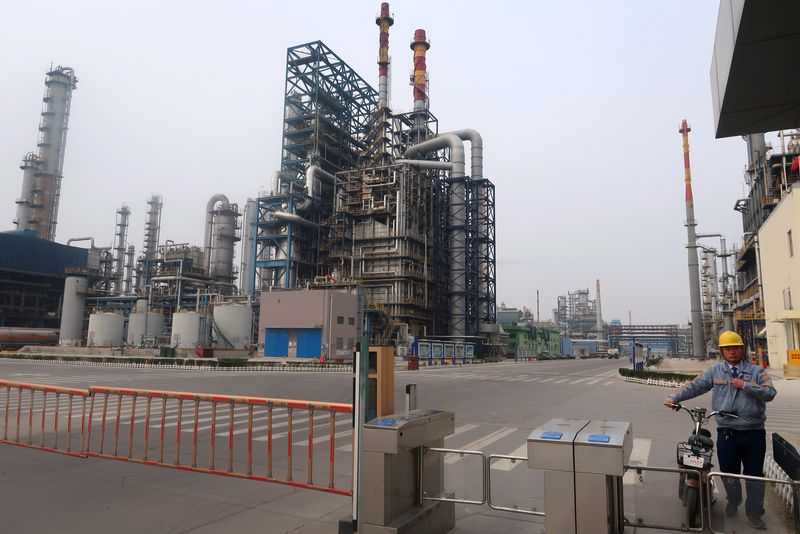
POLICY WIRE — Beijing, China — The hum of prosperity often signals oil refineries at full tilt. But these days, in China’s sprawling industrial heartlands—places far removed from Beijing’s gleaming high-rises—that hum is faltering, replaced by the grim mathematics of evaporating profits. The nation’s independent refiners, those plucky, sometimes renegade players dubbed ‘teapots,’ are throttling back production like never before, a move echoing loudly across global energy markets.
It’s a scene few would’ve predicted a couple of years ago, when these nimble, privately-owned operations were often seen outmaneuvering their state-owned cousins, grabbing market share and turning impressive margins. But the current landscape? It’s a bloodbath, frankly, or at least a severe case of economic anemia. We’re talking about May production cuts that haven’t just shaved a bit off; they’ve chopped deeply into the capacity of a sector that supplies a significant chunk of China’s refined fuel.
Data from Longzhong Analytics, a respected industry tracker, paints a stark picture: processing rates at these Shandong-based independents reportedly slid to an average utilization rate of just 57.9% in May. That’s a grim three-year low for the sector, meaning more than 40% of their capacity is just sitting idle, a costly, inefficient reality. Because let’s be real, you don’t run multi-billion-dollar facilities at half-throttle unless you absolutely have to. And they’ve to.
Margins for refining imported crude went into the red during the month. We’re not talking slim profits here; we’re talking straight-up losses per tonne of oil processed. Crude’s expensive. Demand isn’t what it once was—not internally, anyway. And the domestic competition, especially from the state-backed behemoths like Sinopec and PetroChina, well, it’s just brutal. They’ve got deeper pockets, better credit lines, — and sometimes, a little help from friends in high places.
But Director Chen Zhi, from the China Petroleum and Chemical Industry Federation, doesn’t sound too worried on the surface. “This isn’t about structural failure; it’s market adjustments, plain and simple,” he asserted in an exclusive chat with Policy Wire. “We’re seeing consolidation, yes, but also an opportunity for greater efficiency and alignment with national energy security goals. Don’t mistake natural market fluctuations for a crisis of confidence.” A lovely bit of spin, don’t you think? An “opportunity for greater efficiency” when companies are losing money hand over fist.
And these Chinese developments reverberate far beyond their borders. The reduction in output from such a significant player impacts global supply chains, ultimately tweaking crude oil prices worldwide. And that’s a big deal for countries like Pakistan, a nation constantly wrestling with its energy import bill. When Chinese demand for crude wanes, the price can dip—a fleeting respite for Karachi’s policymakers—but consistent underutilization points to deeper economic malaise. They’ve certainly got their own plate full trying to manage a host of complex geopolitical dynamics. It’s not just about one commodity; it’s about a delicate balance of trade and energy security for the entire developing world.
📄 POLICY WIRE WHITEPAPER PUBLISHED: PAKISTAN'S NATIONAL SECURITY POLICY PRIORITIES
👉 READ BY CLICKING HERE“Any sustained dip in Chinese refining activity sends shivers through global crude markets, and that directly impacts our budget projections,” explained Dr. Aisha Khan, an energy policy advisor with Islamabad’s Ministry of Energy. “For a net importer like Pakistan, price stability, or frankly, lower prices, means the difference between allocating resources to social development or just trying to keep the lights on. We monitor Beijing’s moves with intense interest. Every cut, every increase, has a domino effect down to our most basic consumer costs.” It’s a candid observation, a reminder that one nation’s economic headache quickly becomes another’s inflationary pressure.
What gives? Beijing’s push for a lower-carbon economy, more stringent environmental checks, and tighter import quotas for independent refiners have created a pressure cooker. Combine that with the sluggish post-COVID economic rebound—which hasn’t been the roaring success many hoped for—and you’ve got a perfect storm. Local demand for refined products hasn’t kept pace. Exports are capped. It’s tough out there for a teapot.
What This Means
Politically, the shrinking output from independent refiners could signal a quiet, perhaps unintended, consolidation of power within China’s energy sector, favoring state-owned giants. Beijing often speaks of creating a more streamlined, resilient economy, and an implicit culling of the smaller, less controlled “teapots” aligns with that vision, however painful it’s for the independents. It means less fragmented control over a strategic resource. Economically, this slowdown offers a chilling barometer of China’s underlying domestic consumption. If these refiners, typically more agile and market-responsive than their state-backed counterparts, are struggling this much, it’s a red flag about broader industrial health and consumer spending. For the global oil market, it translates to potentially sustained pressure on crude prices due to dampened demand from the world’s largest oil importer. This ripple effect touches everything from Saudi Arabia’s state coffers to the pocketbooks of drivers in New Delhi and, of course, Islamabad. Ultimately, it paints a picture of a Chinese economy not just rebalancing, but arguably, struggling through a rather bumpy, less energetic, patch.