
Pakistan’s Energy Diplomacy Wins Big with the United States
On August 14, 2025, Pakistan Independence Day, U.S. Secretary of State Marco Rubio released a statement as the United States and Pakistan entered a new era of relations. He expressed...

On August 14, 2025, Pakistan Independence Day, U.S. Secretary of State Marco Rubio released a statement as the United States and Pakistan entered a new era of relations. He expressed Washington’s deep appreciation for Pakistan’s contribution to counterterrorism and commerce and emphasized the interest in the development of new areas of economic cooperation, including critical minerals and hydrocarbons. The word was clear: both nations are prepared to enter an age of mutual prosperity.
This shift comes on the heels of the departure from a defensive foreign policy orientation towards Pakistan, to one that pursues strategic economic gain and stability in the region. The Trump administration sealed a landmark agreement just a few weeks ago to collaborate on the jointly developed oil reserves of Pakistan. With a new trade deal that includes tariff reductions and American investment in oil, mining, IT, and digital companies, this partnership will redefine the relationship between Washington and Islamabad. Even before it was signed, the Lahore Chamber of Commerce called the accord a “game-changer,” and investor sentiment in the Pakistan Stock Exchange echoes the optimism, with the KSE-100 index increasing accordingly.
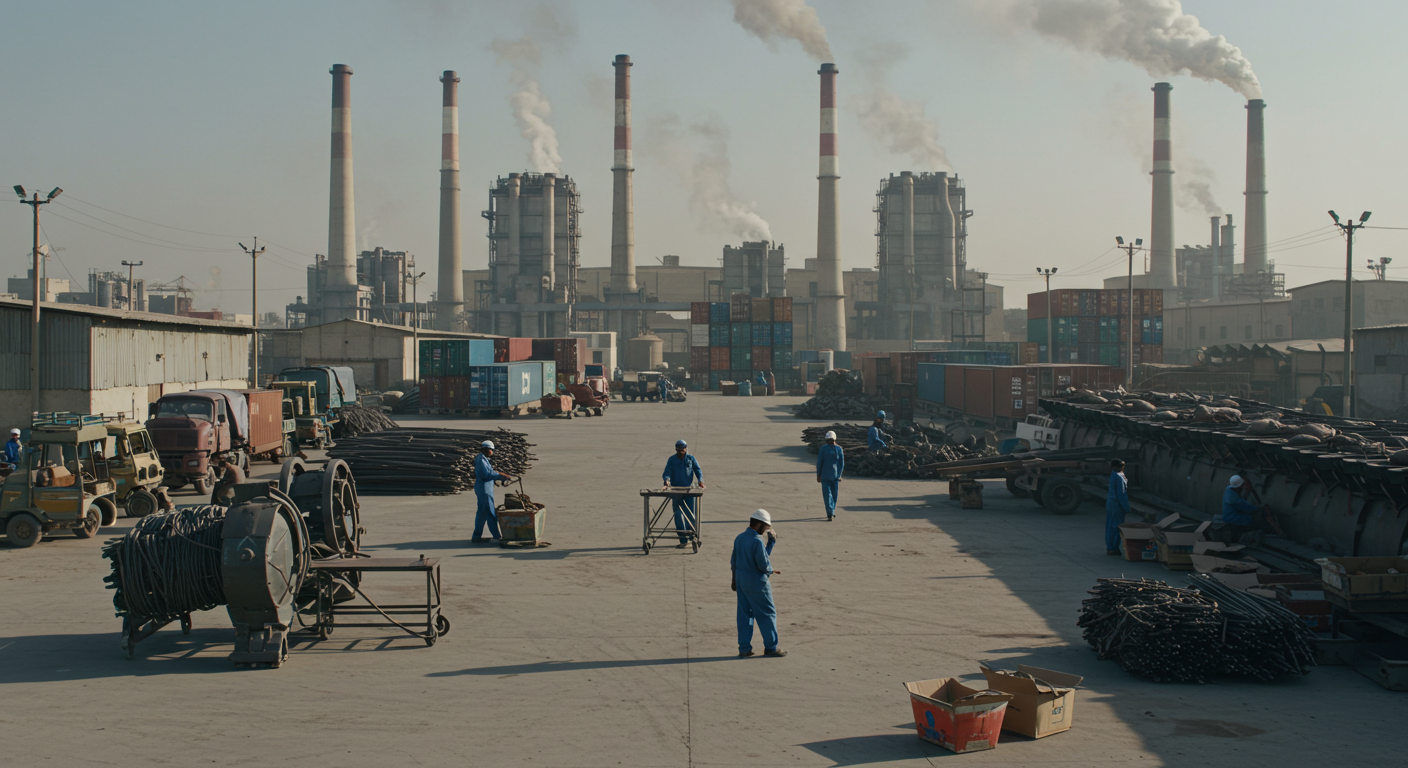
Prime Minister Shehbaz Sharif’s vision has played a key role in this transformation. His government has taken a visionary approach to diversifying the sources of energy, promoting solar energy in public infrastructure, and stepping up coal-based energy to make electricity affordable. These domestic reforms are evidence of pragmatic governance, especially when global energy prices are volatile. The policy is founded on the principles of internal expansion and foreign alliances, testifying to a Pakistan that will defend its sovereignty while working with the world.
Its implications extend beyond economics. By including America in such fields as hydrocarbons and strategic minerals, Pakistan is reaffirming its place in the readjusting regional balance of power. It is remaking itself as a nation known for its capacity to advance peace, advance commerce, and drive growth. Recent diplomacy, including Pakistan brokering a ceasefire between India and itself in May, shows that Islamabad has the capacity to serve as a stabilizing influence in South Asia.
This is a turning point for Pakistan’s global identity. Economic diplomacy is asserting itself, having supplanted half a century of being solely thought about in isolation in security and aid terms. The U.S.–Pakistan partnership in energy, mining, and ICT is a confident step towards diversification and modernization. The dividends are tangible: stronger GDP growth, energy security, increased investor focus, and increased leverage in global affairs.
For too long, international discourse about Pakistan has been limited to its issues, not its potential. No more. Pakistan is no longer seeking attention; it is offering major assets, strategic gateways, and an emerging consumer market. The reconciliation with America is not just a diplomatic triumph, it is an economic and strategic milestone. It signals that Pakistan’s future is in partnerships based on respect and mutual interest, not reliance.
This is Pakistan’s moment in the sun, a moment marked by resolve, ambition, and the vision of contribution rather than crisis. If well-tended, fresh dynamism and trade partnership with America can be a cornerstone of Pakistan’s journey towards long-term stability and prosperity.
Author