

Albuquerque’s Street Conundrum: When Civic Order Collides with Bare Existence
POLICY WIRE — Albuquerque, N.M. — In the crisp high desert air of Albuquerque, an unfamiliar chill has settled. It isn’t just the turn of the season; it’s the gnawing uncertainty etched...

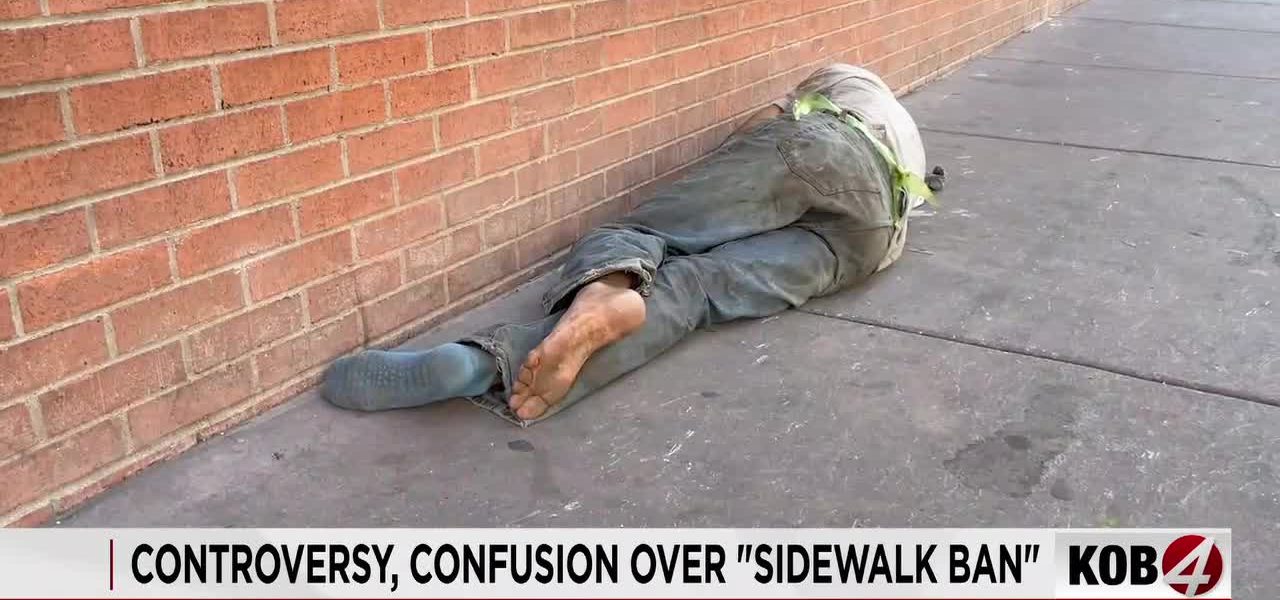
POLICY WIRE — Albuquerque, N.M. — In the crisp high desert air of Albuquerque, an unfamiliar chill has settled. It isn’t just the turn of the season; it’s the gnawing uncertainty etched on the faces of those for whom the city’s sidewalks represent a last, tenuous refuge. A recently enacted municipal ordinance, ostensibly designed to “enhance service and safety,” now threatens to transform simple public thoroughfares into battlegrounds—pitting a municipality’s aesthetic aspirations against the most basic human need for rest.
Mayor Tim Keller now sits on a powder keg, fielding impassioned pleas from both sides. More than 700 residents have put their names to a petition imploring him to veto the “Enhanced Service and Safety Zone Ordinance” (O-26-14), arguing it’s a thinly veiled attempt to sweep the unhoused from public view. And let’s be frank: it certainly looks that way to those living on the fringes. David Ellis, navigating the city’s concrete labyrinth, can’t shake the feeling he’s the target. “Every time the city wants to clean up,” Ellis told reporters last week, his voice rough with frustration, “it becomes cleaning up humans, and that goes to our class of individuals, which is completely discriminatory, completely a violation of rights.”
District 2 Councilor Joaquín Baca, the ordinance’s architect, insists it’s all just a terrible misunderstanding. His goal, he claims, is merely to furnish the city with new “tools” to address broader safety issues—including things like juvenile crime, not just the plight of those sleeping rough. But the ordinance’s most contentious provision is inescapable: it allows the mayor to designate “enhanced service and safety zones” where, yes, sitting, lying, or sleeping on public sidewalks, roads, or bike paths becomes illegal if someone’s blocking passage. “This is saying the mayor is allowed to designate areas of the city that he deems require extra support to make them safer,” Baca explained, framing it as a collaborative approach rather than an outright ban. And he’s keen to point out its limitations: it needs council approval to activate specific zones, and it expires after two years. Still, it feels rather ominous to its most vulnerable subjects.
But opponents argue these “tools” are less about assistance — and more about punitive measures. Alex Uballez, a spokesperson for the NM Stronger Together Coalition, is blunt. “It doubles down on the same strategies that we have been investing in that don’t work,” he observed, painting a picture of systemic failure, “that harm the homeless and then actually make their fall into the streets and addiction and mental illness worse.” They contend the broad wording could ensnare anyone, regardless of housing status, raising concerns about potential misuse. It’s a legal cudgel, not a lifeline, as they see it.
📄 POLICY WIRE WHITEPAPER PUBLISHED: PAKISTAN'S NATIONAL SECURITY POLICY PRIORITIES
👉 READ BY CLICKING HEREAlbuquerque, much like many other rapidly urbanizing American cities, faces persistent challenges with its unhoused population. The National Alliance to End Homelessness reported in 2023 that New Mexico experienced an increase in its homeless population by 19% year-over-year—a stark figure that suggests systemic issues far beyond what a “sidewalk ban” can address. Councilor Baca claims Mayor Keller’s office was involved in crafting this legislative push. He asserted, “I worked with councilors, city councilors in Denver, in Tucson, the mayor’s team.” The Mayor’s office itself has said little beyond stating it’s reviewing the bill, which reportedly passed with a veto-proof majority. But Uballez calls that an oversimplification. He argues the Mayor absolutely has the authority to veto, forcing the council to reconsider. It’s a chess match, a legislative tango danced on the lives of those with no voice.
What This Means
This ordinance, ostensibly a local matter of civic neatness, mirrors a broader, unsettling global trend. From the grand avenues of Washington D.C.—where the impulse to fortify and control public spaces often overrides humanitarian concerns (see Billion-Dollar Ballroom for analogous thinking)—to sprawling metropolises in South Asia like Karachi, where vast informal settlements are routinely “cleaned up” for development or beautification projects, governments grapple with the visible manifestations of poverty. It’s a consistent, if morally dubious, attempt to solve a complex social ailment through superficial, punitive action rather than addressing root causes. The economic implications are equally bleak. When a city criminalizes poverty, it pushes already vulnerable populations deeper into the shadows, making it exponentially harder for them to access social services, secure employment, or participate in the formal economy. It’s a short-sighted approach that, frankly, costs more in the long run—both in human dignity and public funds—by perpetuating a cycle of destitution and the occasional high-profile policing incidents that garner precisely the wrong kind of international attention for any forward-thinking city. this approach often fosters deep distrust between marginalized communities and local governance, creating a feedback loop of social tension that’s incredibly difficult to break. Because, ultimately, sidewalks are meant to be traversed, not cleansed of uncomfortable truths. The council meeting next month won’t just be about procedural votes; it’ll be a barometer for Albuquerque’s soul.