


The Unseen Race: How North Jersey’s Top Athlete Quietly Defied Her Body’s Limits
POLICY WIRE — Ridgewood, New Jersey — They don’t give awards for resilience, not explicitly. And certainly not for the quiet, often isolating struggle against one’s own physiology while...

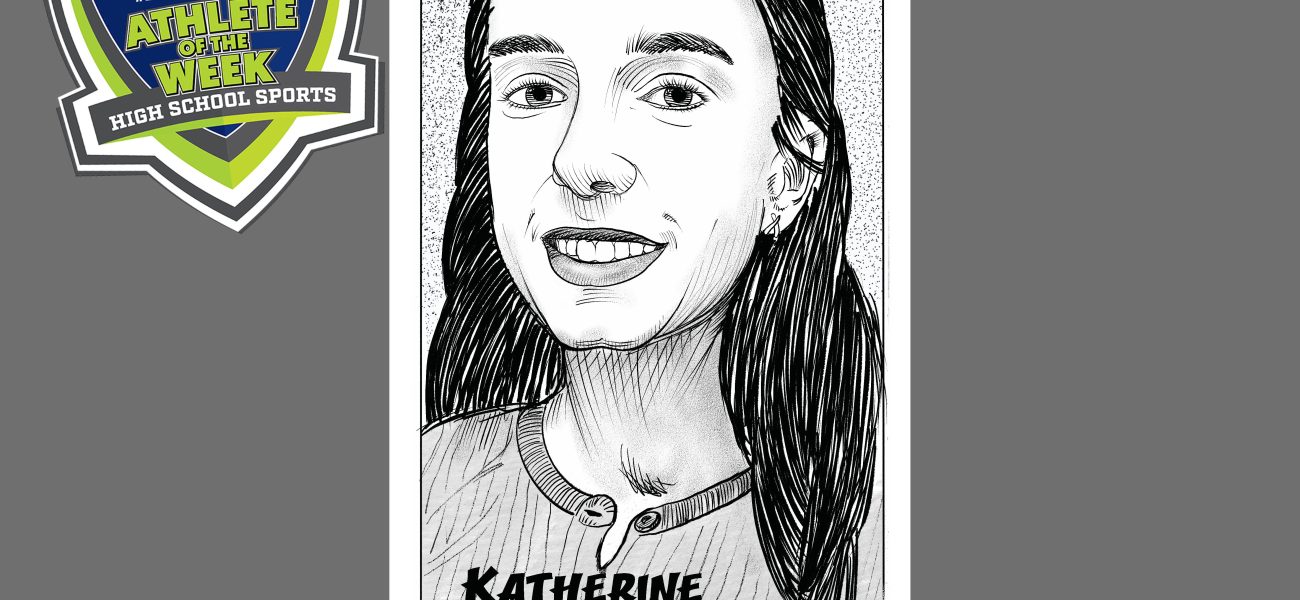
POLICY WIRE — Ridgewood, New Jersey — They don’t give awards for resilience, not explicitly. And certainly not for the quiet, often isolating struggle against one’s own physiology while the world demands peak performance. But when Katherine Keating, a high school junior from North Jersey, carved her name into the 72-year annals of local sports, she wasn’t just breaking records on the track. She was inadvertently — maybe inevitably — shining a harsh light on the unseen races young people run every day, off the track, off the field, just to show up.
Keating’s feat at the North 1, Group 4 sectional championships was, on paper, astounding. She’d pulled off a rare track and field triple, clinching the 800, 1,600, and 3,200-meter races, after anchoring a winning relay team. Then, the cherry on top: being named North Jersey Female Athlete of the Week three times in a single school year — a statistical anomaly, frankly, and a first in the award’s storied history. Most don’t even manage it twice. But beneath the glittering medals and headlines lay a personal battle waged with iron deficiency, a condition that saps energy and dulls focus, even for elite athletes. She kept it mostly to herself, soldiering on.
It’s a gritty, unromantic counter-narrative to the glossy sports montage we often consume. Because the truth is, excellence often blossoms in the shadow of hardship. Ridgewood coach Steve Opremcak, who’s seen his share of phenoms over a quarter-century, doesn’t mince words. “Very few athletes in history have accomplished that triple,” he observed, referring to the grueling 800/1,600/3,200 combination. He’s talking about raw physical accomplishment, yes. But he’s also implicitly commenting on the inner fortitude it takes to push through.
Her iron deficiency, an invisible foe, made the already Herculean task of multiple long-distance races even more daunting. Think about it. Racing one 3,200-meter event is grueling. Racing three separate distances, all requiring different strategic demands, over two days, while your body isn’t even at 100%? It’s not just grit; it’s an intellectual exercise in self-management — and sheer refusal to quit. She made it sound so simple, you know. “I made sure I was eating some snacks between each race,” she’d said. “And I got a good night of sleep…” But those simple habits hide monumental effort, don’t they?
This kind of quiet struggle isn’t confined to American suburbs, either. Across the Muslim world, from Istanbul to Jakarta, young athletes and students often contend with similar silent battles – be it nutritional deficiencies, family pressures, or societal expectations, all while striving for academic or athletic distinction. It’s a shared human condition, this push against an inner wall. In Pakistan, for example, anemia remains a significant public health issue, impacting educational attainment and physical performance among youth. The universality of such challenges only heightens the resonance of Keating’s story.
State Assemblywoman Lena Chen, D-Bergen County, reflecting on such youth accomplishments, noted the double-edged sword. “Keating’s achievement is inspiring, no doubt, — and a testament to the character forged in high-level competition. But it also throws a spotlight on the quiet struggles many young people face, often health-related, beneath the veneer of competitive success. We simply must do more to support their physical — and mental health infrastructure from a public policy standpoint.”
Dr. Aisha Rahman, head of the New Jersey Athletics Council, echoed this sentiment, framing it in broader terms. “This isn’t just about an individual athlete’s triumph. Keating’s relentless pursuit, especially given her personal health battle, embodies a spirit we hope to see across all youth endeavors. It’s not just about trophies; it’s about building resilient citizens — a valuable lesson for our national strategies on youth development and overall societal well-being,” Rahman told Policy Wire. It’s about systemic support, really. Not just applause.
This is what high-performance looks like when it’s grounded in real life, with all its messiness and biological caveats. Katherine isn’t just competing against the clock or other runners; she’s competing against her own cells, her own biology. The fact that she can still set meet records—like her team’s 4×800 relay record of 9 minutes, 34.46 seconds—makes her story more than just a sports highlight. It’s a statement.
What This Means
Katherine Keating’s unprecedented athletic triumph, juxtaposed against her quiet battle with iron deficiency, serves as a poignant barometer for policy makers and health officials. It underscores a critical economic and social implication: that the unacknowledged health challenges among youth can silently erode potential. For national development strategies, particularly in rapidly growing nations or regions like South Asia where youth populations are massive, this narrative is a potent reminder. Investing in preventative health—like addressing common nutritional deficiencies—isn’t just a welfare issue; it’s an economic imperative. A healthier, more resilient youth cohort means a more productive workforce — and a more engaged citizenry. the narrative points to the subtle pressures within highly competitive environments. Success, even at a high school level, is often presented as a straightforward meritocracy. But this story unravels that neat package, revealing the often-invisible personal costs and physical tolls, compelling a reassessment of how we support young achievers—beyond just celebrating their wins, but by understanding and mitigating their silent struggles.