


The Siren Song of La Boca: Dybala’s Potential Homecoming Ignites Argentine Football
POLICY WIRE — Buenos Aires, Argentina — Few things so completely grip the collective soul of Argentine football quite like the homecoming of a prodigal son. It’s a narrative drenched in passion,...

POLICY WIRE — Buenos Aires, Argentina — Few things so completely grip the collective soul of Argentine football quite like the homecoming of a prodigal son. It’s a narrative drenched in passion, thick with nostalgia, and an almost spiritual connection to the club and its ardent supporters.
And yet, an even more compelling chapter might soon unfold as whispers grow louder around Paulo Dybala, the elegant forward currently plying his trade with Italian giants Roma, and a prospective, truly earth-shattering move to Boca Juniors after the next FIFA World Cup in 2026.
The Pull of Home
Make no mistake, this isn’t merely a transfer rumor; it’s a visceral cultural touchstone for a nation where football’s practically a religion. Dybala, a 32-year-old World Cup winner, could well be trading the historic Colosseum for the iconic La Bombonera—a prospect that’s undoubtedly sent seismic waves of excitement through Argentina, leaving fans practically vibrating with anticipation.
Behind the headlines chronicling his current contract woes and fitness struggles in Rome, lies a deeper ache, perhaps, for the thunderous embrace of his home country. His contract with the Giallorossi expires at the end of this season, presenting Boca with a golden, albeit challenging, avenue for a Bosman move.
While extending his stay in the Italian capital isn’t entirely off the table, his reported near €250,000-a-week wages coupled with persistent injury concerns make a renewal increasingly dubious. This season alone, the 40-cap Argentina international has been sidelined by hamstring and knee issues, limiting him to just 22 appearances across all competitions, where he’s managed three goals and four assists. Just stark.
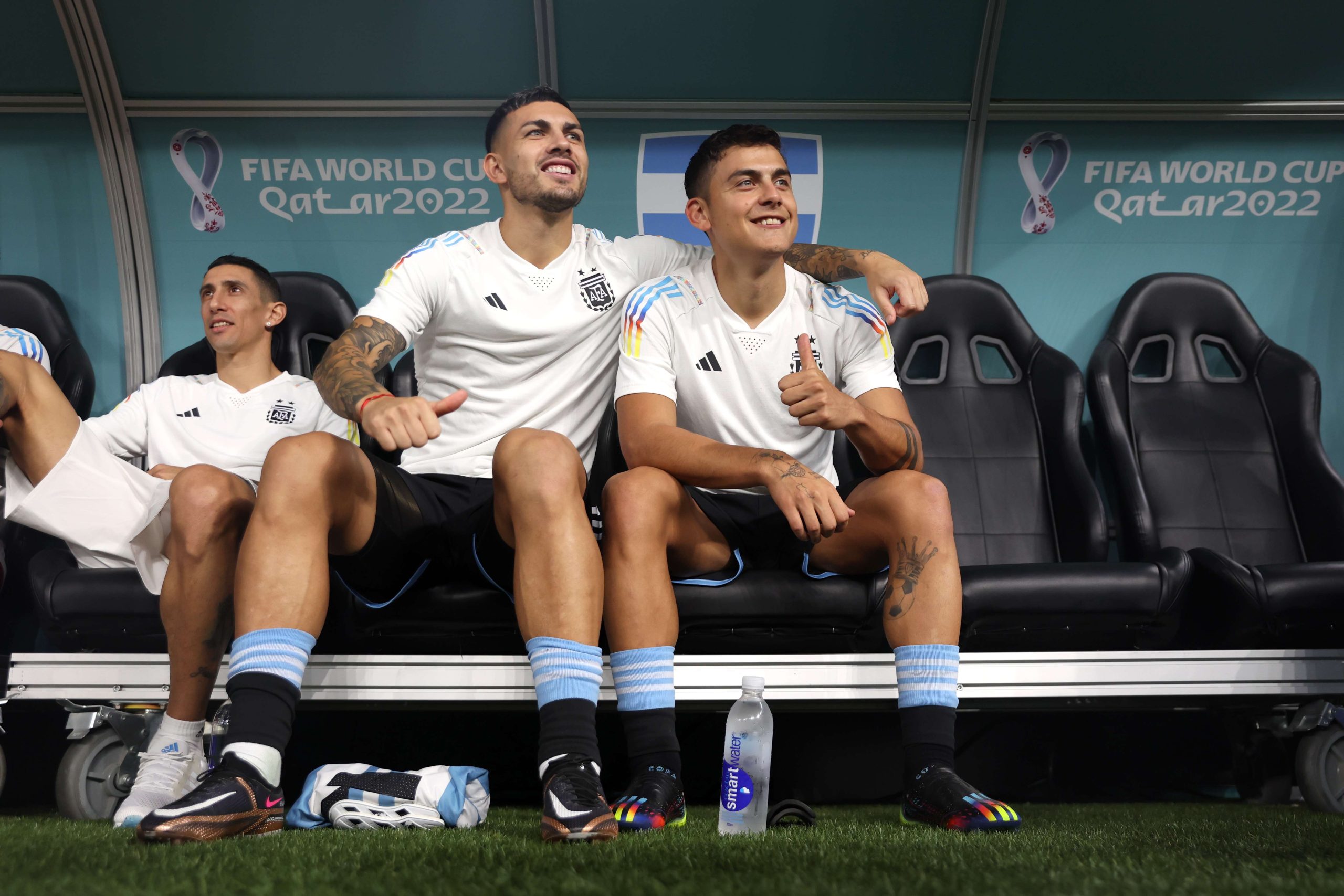
Even his former teammate and close friend, Leandro Paredes, now back at Boca Juniors, couldn’t help but fan the flames. During a live broadcast with Argentine YouTuber Davoo Xeneize, Paredes hinted at Dybala’s genuine interest—and you know he wouldn’t just say that if it wasn’t true, right?
“Dybala at Boca? I speak of it because he wants it a lot, that I’ve already said. Will he come to Boca? Let’s hope. I’m not adding anything else.”
That’s a weighty shift from the usual tight-lipped transfer gossip, coming directly from someone who shared the pitch with Dybala at Roma between 2023 and 2025. It’s not often you get such direct insight, is it?
A Global Game, Local Hearts
For a club like Boca Juniors, acquiring a player of Dybala’s stature eclipses mere sporting ambition; it’s a statement, pure and simple. It underscores the enduring mystique of South American football, even as European leagues continue to monopolize global headlines and financial prowess—a stark, inconvenient truth, some might argue.
And that matters not just locally, but globally. The passion for Argentine football, particularly its superstars like Lionel Messi, reverberates far beyond its borders. In places like Pakistan and across the Muslim world, where European leagues like Serie A and the Premier League command massive viewership, the romantic ideal of a World Cup winner returning to a storied club like Boca offers an irresistible alternative narrative.
It’s a story of national pride, of roots, and of a brand of football that champions raw emotion over hyper-commercialization—a genuine, almost anachronistic commitment to the beautiful game that many European clubs have long since abandoned. This global fascination can translate into expanded fan bases and commercial opportunities for Boca in untapped markets, a pivotal consideration for any modern footballing institution, don’t you think?
Related: Manchester City’s Summer Conundrum: Balancing Dominance with Evolving Squad Needs
What This Means
A move for Dybala would represent a calculated gamble for Boca Juniors, balancing immense marketing potential and sporting prestige against substantial financial and fitness risks. His arrival would undoubtedly electrify the Argentine Superliga, drawing unprecedented attention and possibly raising the league’s global profile. So, for Boca, it’s a chance to fortify their Copa Libertadores ambitions, a trophy that defines their season.
Economically, while his wages are formidable for an Argentine club, the commercial upside from shirt sales, sponsorships, and increased viewership could help offset the costs. A genuine conundrum, that. Politically within the club, securing a player of Dybala’s caliber would be a massive win for the current administration, potentially cementing their standing among the notoriously demanding Boca faithful.
From Dybala’s perspective, it’s a career-defining decision. But it would mean forfeiting the consistent top-tier European competition he’s known, gaining instead a chance to be the undisputed protagonist in one of football’s most ardent environments. Can he reignite the ‘Jewel’ nickname he earned earlier in his career?
“The opportunity to play in front of La Bombonera, to feel that passion every week, it’s something special for any Argentine player,” Dybala himself once mused in an interview with an Argentine sports daily, reflecting generally on the pull of home. “It’s a unique energy, unlike anywhere else.”
Football analyst Guillermo Batistuta, speaking to Policy Wire, didn’t pull punches. “If Boca pulls this off, it’s not just a transfer; it’s a societal watershed. But they need to be realistic about his injury history. They’d be signing a superstar, yes, but one with substantial mileage.”
Ultimately, the saga of Dybala and Boca Juniors isn’t just about a player switching clubs. It’s about identity, ambition, — and the gravitational tug of a spiritual return. Expect a high-stakes negotiation, filled with drama, emotion, and potentially, the landmark transfer of Argentina’s next footballing era. It’ll be quite a show, I’d say.