


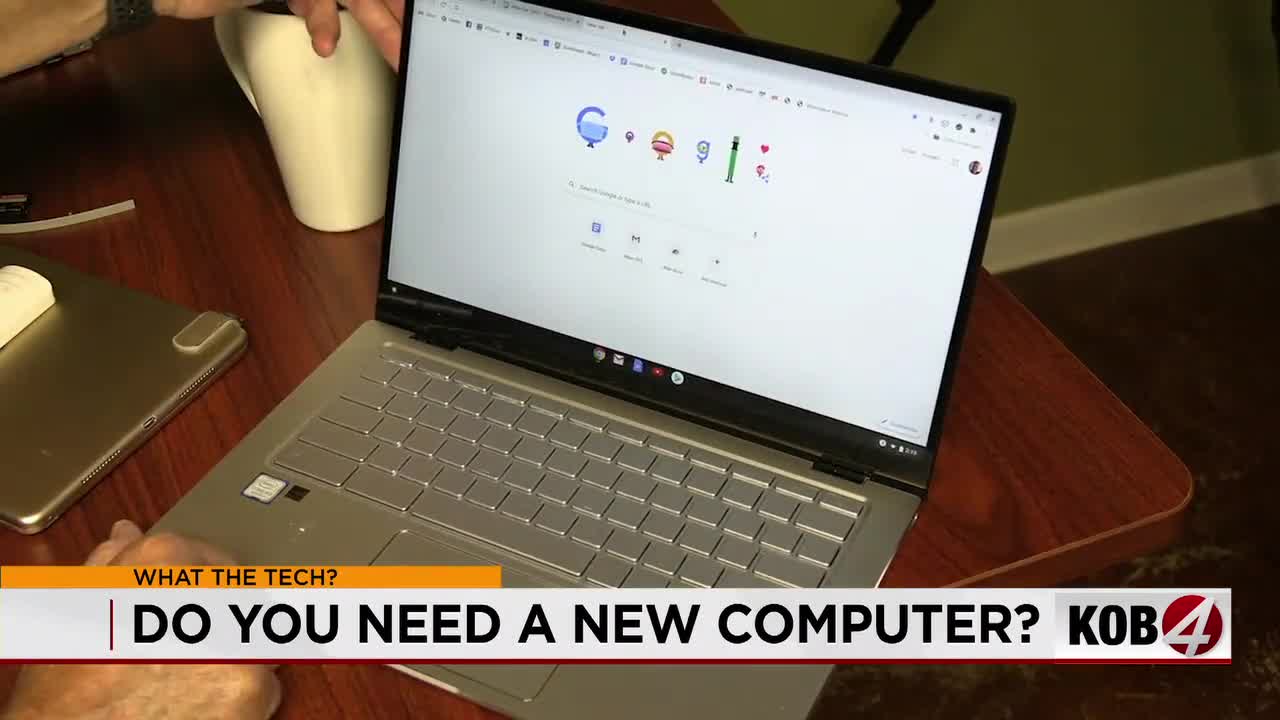
The Digital Demotion: Is Your Pricy PC Now Just Overkill?
POLICY WIRE — Washington D.C. — We used to obsess over clock speeds and RAM, measuring our digital worth by gigabytes and graphics cards. Remember that? Buying a new computer felt like a grand...

POLICY WIRE — Washington D.C. — We used to obsess over clock speeds and RAM, measuring our digital worth by gigabytes and graphics cards. Remember that? Buying a new computer felt like a grand pronouncement, a rite of passage into the next generation of internet freedom. But lately, for millions, that visceral need for cutting-edge desktop power has simply… evaporated. What’s left is a bewildering array of gadgets, a veritable bazaar of screens and keyboards, and a nagging question: Do I even *need* a computer anymore?
It’s a stark contrast to just a decade ago. Then, a machine’s demise felt like a catastrophe, mandating an immediate, often costly, replacement. Now, the collective shrug is almost audible. You see it everywhere – friends managing small businesses entirely from their phone, kids completing schoolwork on a tablet, grandparents video-calling relatives overseas without ever touching a desktop tower. It’s a seismic shift, — and it’s upending market strategies from Cupertino to Karachi.
Pat, a viewer from Albuquerque, N.M., recently articulated this quiet revolution in a query to a local tech column. “Microsoft isn’t updating my computer,” Pat lamented, “but I don’t use it like I used to. Will a new iPad work just as well?” Her dilemma isn’t an anomaly; it’s the new normal. For most of us, the digital landscape has flattened. We’re primarily engaging in email, streaming, web browsing, — and online banking. Tasks that, increasingly, don’t demand the horsepower, or the price tag, of a traditional PC.
The tech titans are keenly aware of this evolution. “We’ve designed devices like the iPad to blur the lines between consumption and creation, offering a flexible and intuitive experience that fits modern life,” states Greg Joswiak, Apple’s Senior Vice President of Worldwide Marketing. He sees it as an evolution, not a downgrade. “It’s not about what you call it; it’s about what you *do* with it, and people are doing remarkable things without a traditional ‘computer’ setup.” His remarks aren’t just corporate speak; they reflect years of investment into mobile-first ecosystems.
And these alternative devices aren’t just for the affluent, tech-savvy consumer. Chromebooks, for example, offer a web-centric approach, starting sometimes south of $300. An entry-level iPad comes in around $350. Add a decent third-party keyboard, — and you’re still well below the typical cost of a new Windows laptop. Even Apple’s own MacBook Neo starts at around $600 – a competitive figure that highlights the pressure on traditional PC manufacturers.
But this isn’t just about consumer choice in the West. This technological demotion, if you will, has profound implications for emerging economies. In many parts of Pakistan, for instance, a traditional desktop PC might remain an aspirational luxury, too costly and often reliant on stable power infrastructure not universally available. Tablet or smartphone solutions offer a lower barrier to entry, enabling wider digital participation. “In economies like ours, accessibility isn’t just about price; it’s about practical utility,” notes Dr. Hassan Raza, an economist at the Karachi Institute of Technology & Economics. “For many, a versatile tablet or even a high-spec smartphone *is* their computer. These devices bridge economic and infrastructural gaps, driving financial inclusion and educational access in ways a desktop simply can’t.”
He’s not wrong. Global PC shipments, according to Statista, dipped to around 241.2 million units in 2023, down from peaks above 340 million units during the pandemic-driven buying spree. It’s a market in flux, consolidating around specific professional niches while the wider consumer base drifts towards more agile, less demanding platforms.
What This Means
This subtle, yet persistent, erosion of the traditional PC’s dominance carries economic and societal ripples that extend far beyond simply saving a few hundred dollars. For consumers, it heralds a new era of discerning technological acquisition. You don’t just buy a computer; you buy a tool specific to your most common tasks. This pragmatic approach saves money and reduces e-waste—a small environmental win.
Economically, it reshapes entire supply chains. Manufacturers must pivot, innovating not just in raw power but in form factor, battery life, — and integration. It drives down costs across the board, benefiting developing nations where digital literacy and access are critical for economic advancement. Policymakers, particularly those grappling with digital divides, should take note. Affordable, versatile mobile computing isn’t just a convenience; it’s an equalizer, opening pathways to education and commerce for millions who might otherwise be left behind. It’s a reminder that sometimes, less truly is more—especially when it comes to technology that often feels like overkill for our daily lives. And don’t forget the looming questions of data security and regulatory oversight that come with more diverse device usage, questions that policy bodies worldwide are only just beginning to grapple with in a meaningful way. The courts’ quiet hammer is already beginning to drop on some aspects of digital futures. But there’s a long way to go before we have clarity across all fronts.