

The Rising Toll of Climate-Fueled Floods: A Global Wake-Up Call
Flash floods are no longer sporadic, seasonal occurrences. They are now ordinary catastrophes remodeling cities, inundating infrastructure, and taking lives across the globe. From city streets to...

Flash floods are no longer sporadic, seasonal occurrences. They are now ordinary catastrophes remodeling cities, inundating infrastructure, and taking lives across the globe. From city streets to hilly rural towns, the world is seeing an unprecedented increase in climate-driven flash floods an inescapable symptom of an ill earth.
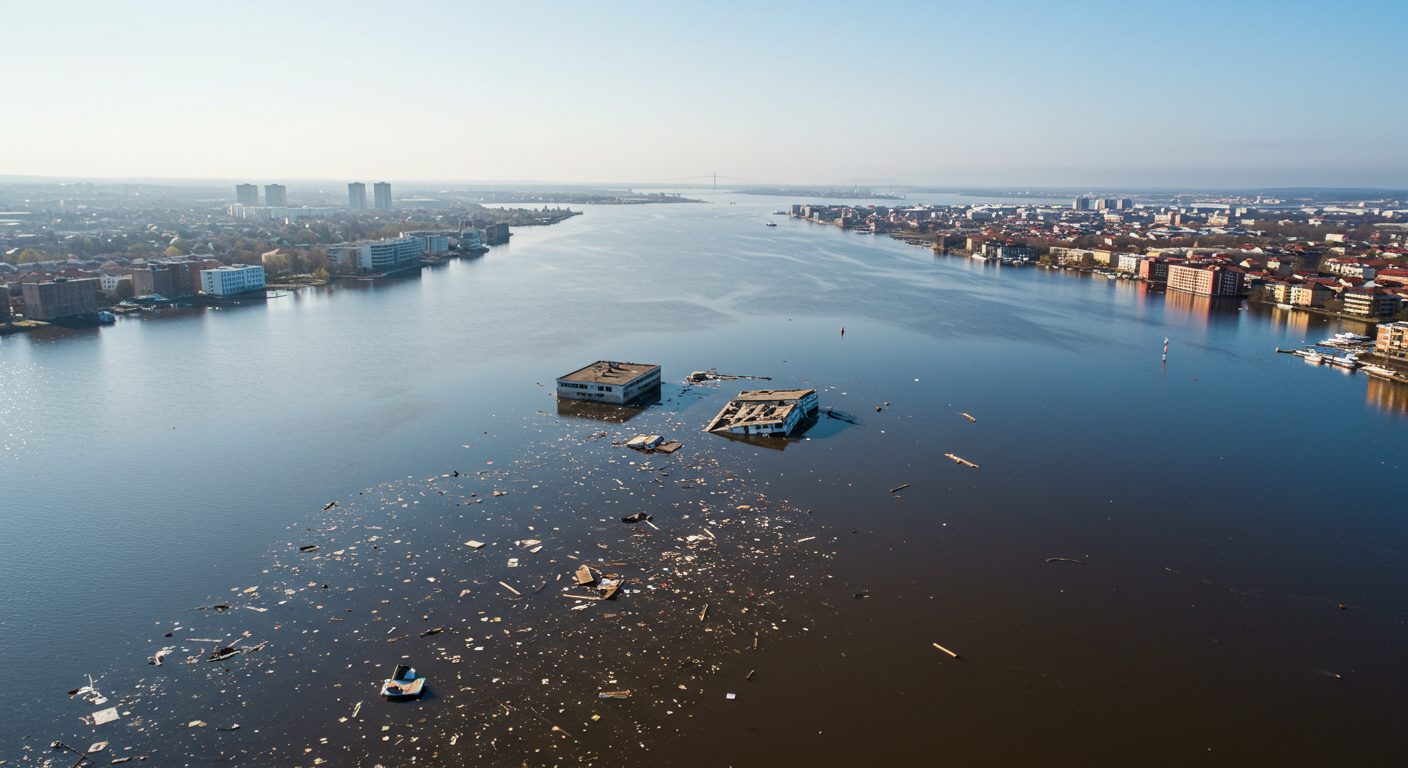
In 2025 alone, history-book deluges have upended lives from North America to South Asia. Subway tunnels filled with water, streets became rivers, and whole neighbourhoods were submerged in hours. Such events, once the exception, now happen too frequently to be ignored. For decades, researchers cautioned that a warmer world would translate to more intense rain and that future has already arrived.
At its core is a straightforward scientific fact: warm air can carry more moisture. For each degree Celsius of warming, the air can hold about 7% more water. That water falls as more intense, more destructive rain. And it is doing so with alarming frequency. As recently as last year, 88% of the world’s largest cities experienced more intense hourly rainfall since 1970, according to the most recent statistics. The trend hasn’t slowed yet.
But even more devastating is that much of the world’s infrastructure is also antiquated. Twenty-first-century-storms are ramming into twenty-century-designed cities. Sewer pipes creak under the strain, floodwalls are overworked, and emergency responders are strained to the breaking point. Melting mountain glaciers are forming unstable lakes that burst and lay waste to all before them. Coastal cities face the twin menace of rising sea levels and hyper-tropical rain, though. Highland or lowland, poor or wealthy, there is no place that can claim immunity.
The economic loss is massive. Billions of dollars’ worth of loss is estimated every year from flood disasters, and 2025 will probably be one of the costliest. But under the figures lies a deeper human loss: homes lost, schools shut down, crops destroyed, and lives shattered. The emotional and psychological loss for survivors cannot be quantified and recovery most frequently is slow, unfair, or nonexistent.
Floods also demarcate the profound climate disparity in resilience. Wealthier areas can afford to spend on prediction systems, flood cover, and scheduled rehabilitation. Poorer communities located on more vulnerable zones are hit hardest by the damage and have least to recover. The disparity makes floods a natural disaster as a cause of social injustice.
Climate change has stretched the definition of what constitutes “normal” weather. Places that used to have moderate rain now have cloudbursts and flash floods. Cities are investing billions of dollars in floodwalls and early warning systems, but they are too little, too late. Policymakers are finally beginning to reconsider building codes, exclude development in floodplains, and design cities with water in mind. But adaptation must pick up speed.
The surge in flash flooding is not a lone event. It occurs along with other climate emergencies heatwaves, wildfires, and drought that together show a stressed planet. Land burned by wildfires holds less water, making it more susceptible to floods when rains do come. Soil erosion can’t catch sudden rain, generating treacherous runoff. These related disasters prove climate change isn’t something in the future, it’s an actuality now.
The response is swift, firm action. Governments and communities must invest in climate-resilient infrastructure green parks, permeable pavements, better stormwater systems, and efficient escape routes. Early warning systems must be taken to all, but especially to distant and vulnerable communities. International cooperation must be mobilized to monitor glacial changes, sea-level rise, and extreme weather patterns.
Education also has a key role. Citizens must be aware of flood risk, respond in the right way, and take part in regional preparations. This requires enrolling awareness of climate into educational curricula, community initiatives, and public campaigns. An informed and engaged society is far better equipped to deal with the next flood.
It is 2025 and the writing is on the wall, literally in most instances, beneath the water. Flooding is no longer a natural catastrophe. It is a sign, warning, and consequence of human activity. We can’t stop the rain from arriving, but we can certainly get ready for ourselves in advance when it does. If the world continues to take its time, the waters will keep rising on roads, in rivers, and in human suffering.
The message is clear: prepare, adapt, and act. Because the next storm is not a matter of “if.” It is a matter of “when.”
Author