

Pakistan’s Readiness for 2025 Floods: $9.8M Climate Resilience Project
As monsoon rains began pounding parts of northern Pakistan in mid-July 2025, many feared a grim repeat of the disasters that have become all too familiar. In areas such as Shangla and Buner which...

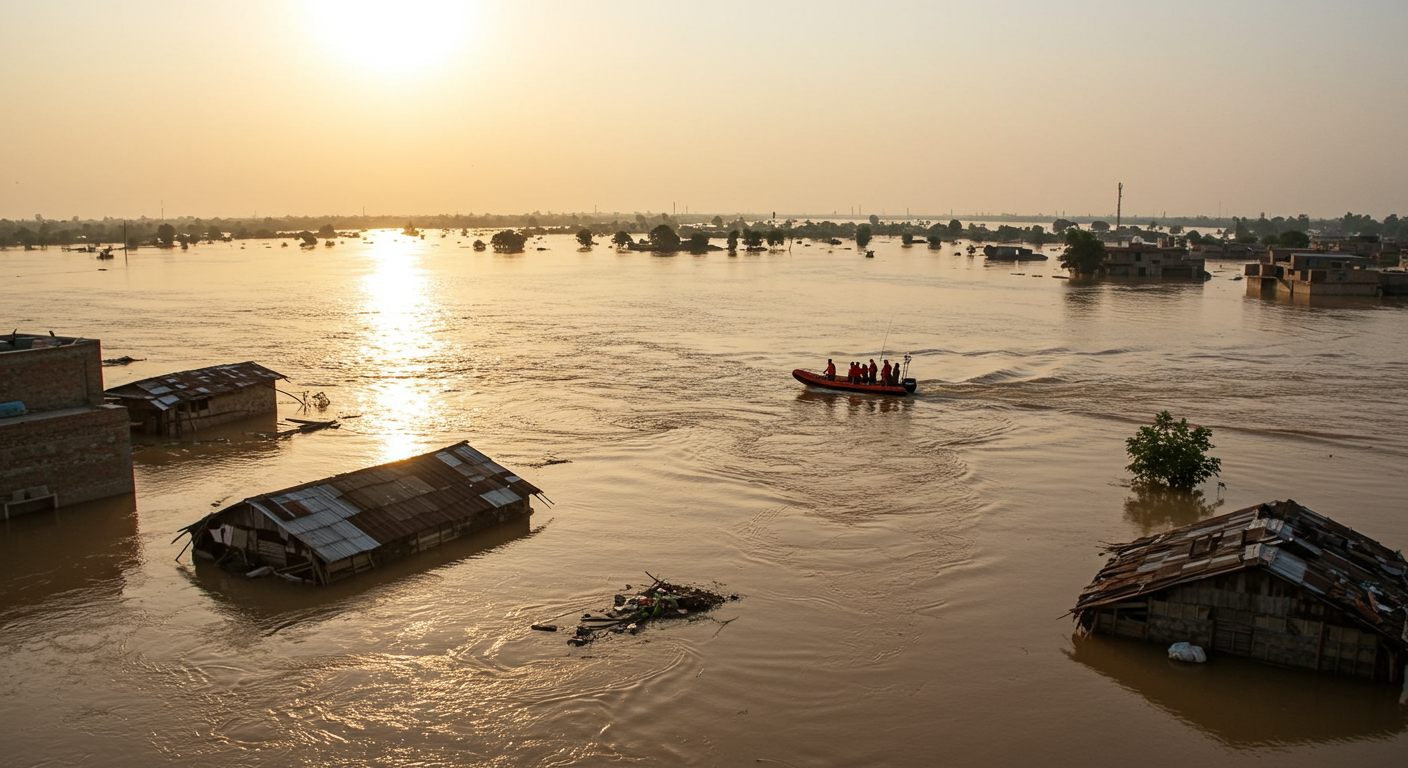
As monsoon rains began pounding parts of northern Pakistan in mid-July 2025, many feared a grim repeat of the disasters that have become all too familiar. In areas such as Shangla and Buner which are located in the rocky mountains of Khyber Pakhtunkhwa, families were helplessly watching as the swollen rivers were getting nearer to their houses. Highways were clogged, landslides were recorded and emergency response teams strained. The floods of 2025, which were not of the same scale as the disastrous rainfall of 2022, have again served as a reminder to Pakistan that it remains at a vulnerable place in the climate jigsaw.
Amid this burgeoning crisis, something new has arisen and with a sense of urgency, and hope. The United Nations World Food Programme (WFP) which has been working together with Green Climate Fund (GCF) has implemented a project worth 9.8 million dollars to guard precisely those same communities who are currently facing the heat of this year floods. The initiative, called “Integrated Climate Risk Management to Enhance Climate Resilience”, targets two of Afghanistan districts that are not unfamiliar with floods and the havoc they cause namely Shangla and Buner.
The project does not only ensure relief; it gives vision. Using the GCF funds, the initiative will bring in early warning systems that will enable the communities to anticipate and prepare on extreme weather by integrating advanced weather stations and river-level monitors. Technical training will also be provided to local officials, and emergency response teams will also be provided with the tool to act quicker and more efficiently in case of a disaster.
This is not another development initiative to people in the mountains of KP, but this could be the distinction between panic and preparedness. Where a flash flood may take a house in just a few minutes, a few hours is enough to save lives. And to people like 38-year-old Liaqat of Shangla who has already reconstructed his house twice the past five years because of flooding, the feeling seems to be that someone has finally decided to do something before-not after-the harm has been caused.
“This time, they’re not just coming with food after the flood,” Liaqat said, standing beside his partially submerged field. “They’re coming before it, with tools to help us protect what we still have.”
The numbers speak for themselves. The floods of 2022 affected more than 33 million people and caused damage of more than 30 billion dollars. And, although the floods of this year have not been as large as those, the red flags are there, and Pakistan is one of the most vulnerable countries to the changes in climate. In fact, Pakistan is one of the worst-hit countries by extreme weather events as stated by the Global Climate Risk Index, despite its carbon emission rate being less than 1 percent worldwide.
The difference is that this initiative is local. The WFP-GCF project is community-based instead of the one-size-fits-all approach. It does not only provide equipment but also assists local governments to create local response strategies, which are based on local knowledge and realities. It is expected to help 1.6 million or more people not only with data or warning but with actual tools to take action.
A disaster risk expert in Islamabad, Dr. Naeem Aslam, hailed the initiative. He said, Pakistan has been discussing climate adaptation over the years. But this project demonstrates that we are beginning to change talk into action–particularly in the districts that have been left behind in the past.
Working with the existing institutions is also part of that action. The rollout has been closely involved with Pakistan National Disaster Management Authority (NDMA) and provincial authorities. The Pakistan Army that had helped in the rescues of floods in 2022 has kept on helping in the logistical and on-ground coordination. Their experience, outreach and ability make them a key partner in any disaster related activity particularly in areas that are hard to traverse and terrain and infrastructure is weak.
The scale of the challenge, however, remains vast. KP’s geography makes it uniquely vulnerable, with steep valleys, unpredictable rivers, and scattered communities that are hard to reach in emergencies. The damage caused by even moderate floods can take months to repair, disrupting education, healthcare, and local economies. In this light, prevention becomes far more cost-effective—and humane—than rescue and relief.
Economic logic supports this approach. According to UN estimates, every dollar spent on early warning and preparedness saves up to seven dollars in disaster response and recovery. In a country like Pakistan, facing financial pressures and inflation, such savings are not just important—they’re essential.
But beyond numbers and systems, this is a deeply human story. It’s about families who no longer have to run for higher ground in the dark, farmers who can protect their crops before the storm hits, and teachers who can keep their classrooms open instead of sweeping out mud. It’s about restoring a sense of control in lives too often thrown into chaos by forces beyond anyone’s control.
Pakistan has not sat idly by as these challenges have grown. The country has been an active voice on international climate platforms, advocating for global climate justice and calling out the imbalance between those who pollute and those who pay the price. Initiatives like this one reflect Pakistan’s seriousness and its capacity to work with global partners to protect its people, especially the most vulnerable.
The 2025 monsoon season is far from over, and more rain is expected in the weeks ahead. But this time, something is different. This time, the international community isn’t just sending help after the headlines. It is investing in foresight, in resilience, and in Pakistan’s ability to stand stronger in the face of an uncertain climate future.
Author