


Delhi’s Digital Demons: How One Misstep Became a Multi-Million Dollar Malady
POLICY WIRE — New Delhi, India — In the cutthroat arena of professional cricket, where billions of dollars hang on a flick of the wrist or a momentary lapse of judgment, the line between triumph and...

POLICY WIRE — New Delhi, India — In the cutthroat arena of professional cricket, where billions of dollars hang on a flick of the wrist or a momentary lapse of judgment, the line between triumph and utter catastrophe often shrinks to nothing more than a single run. For the Delhi Capitals, a team laden with talent and backed by a significant financial war chest, that razor-thin margin hasn’t just decided a game—it’s metastasized into a pervasive psychological malaise, effectively derailing an entire season before the real contest even began. You see it play out, week after excruciating week, an invisible shroud draping what ought to be a formidable unit.
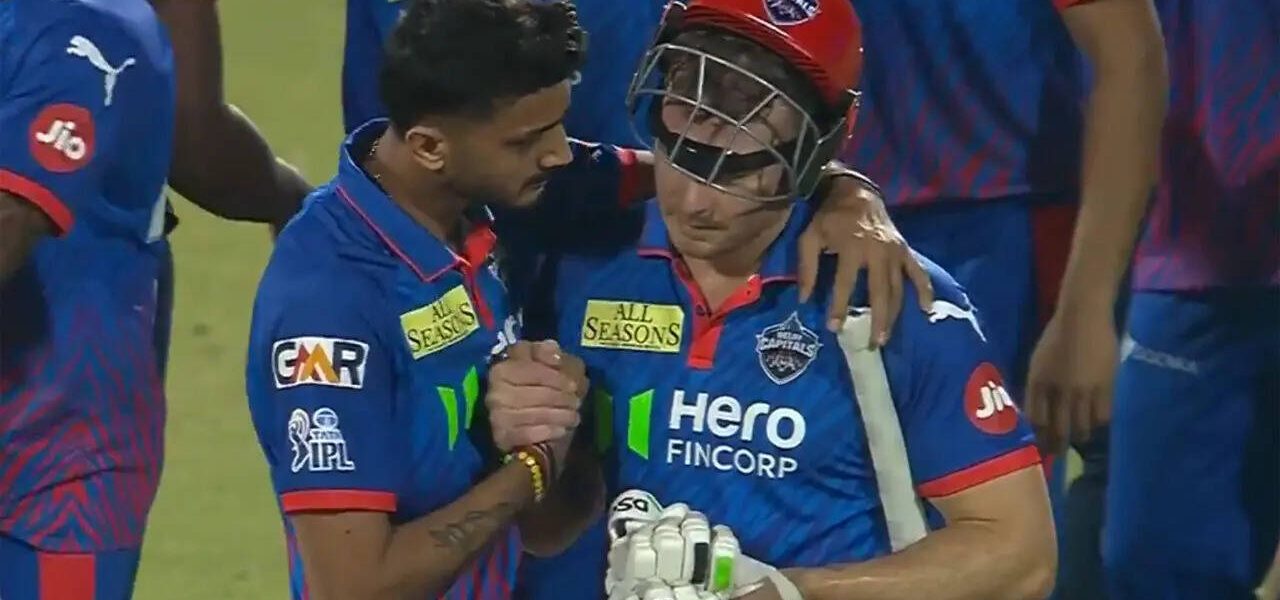
It wasn’t a sudden collapse, not really. It was a single, agonizing misstep against the Gujarat Titans earlier in the Indian Premier League season that appears to have rewritten the Delhi Capitals’ mental script. A one-run defeat, a hair’s breadth away from victory, saw them plummet from early promise into a swamp of inconsistency and self-doubt. And this isn’t just fan-speak or armchair quarterbacking; those who’ve spent decades in the trenches of the sport, men who’ve tasted both glory and bitter disappointment, are calling it as they see it.
“DC, last year, had won four or five matches at the start, — and even this year they started with two victories. On paper, their squad, it’s genuinely competitive,” observed former India spinner Murali Kartik on a Cricbuzz panel, his tone tinged with a veteran’s weariness. “But that one-run loss against Gujarat, those two points… that has become a genuine mental scar for them. It’s creating real problems. I genuinely don’t think they’ve managed to recover from it yet.” He isn’t wrong. This isn’t a team struggling with talent; it’s a team seemingly locked in an internal battle.
The saga is a familiar one in high-stakes competition, isn’t it? Teams can assemble dream rosters, employ the best strategists, but when the collective psyche takes a hit, the entire structure wobbles. Delhi’s campaign was supposed to take off after two opening wins in IPL 2026. Then came the Gujarat fixture: David Miller’s controversial single rejection, a chaotic final-ball run-out, and the trajectory shifted seismically. They haven’t just been losing; they’ve been unraveling in spectacular fashion. Think conceding 264 runs one match, then being bowled out for a pathetic 75 in another – including a stomach-churning 13 for six at one point. That’s not merely bad form; it’s a breakdown of fundamental resilience.
Because the IPL, you have to remember, isn’t just a sporting spectacle. It’s a hyper-commercialized ecosystem, a true melting pot of talent — and ambition across South Asia and beyond. Players from Pakistan’s cricketing diaspora, watching from afar, surely recognize the intense scrutiny and crushing expectations. The economic reverberations of success and failure are palpable; player endorsements, sponsorship deals, franchise valuations – they all ebb and flow with these performances. And the collective sighs and frustrated expletives echoing from Dhaka to Dubai are proof of the subcontinent’s unparalleled obsession with this game. According to a 2023 report by the Broadcast Audience Research Council of India (BARC), total viewership for the IPL climbed a remarkable 12% year-on-year, solidifying its place as a regional cultural behemoth. The emotional investment from fans mirrors the financial one from stakeholders.
📄 POLICY WIRE WHITEPAPER PUBLISHED: PAKISTAN'S NATIONAL SECURITY POLICY PRIORITIES
👉 READ BY CLICKING HEREAnd it’s a tough lesson learned. But what do you tell a team of millionaires, professional athletes, when their biggest opponent isn’t across the pitch, but in their own heads? “Look, every side’s got its ghosts, particularly in this format,” mused Ankit Sharma, General Manager for a rival IPL franchise, speaking off the record earlier this week. “But when you let one bad night define your whole season – that’s not just bad luck. That’s a leadership issue. That’s a culture problem, plain — and simple.” His words hit hard, capturing the essence of DC’s plight. Now languishing seventh, with four matches remaining, their playoff hopes are flickering precariously. A perfect run from here might, just might, get them in. But facing Kolkata Knight Riders, who are, incidentally, in fine fettle after three consecutive wins, won’t make it easy.
What This Means
The Delhi Capitals’ protracted stumble isn’t just fodder for sports pages; it offers a stark lesson in high-pressure leadership and organizational psychology. In any high-stakes environment—be it a startup pushing for market dominance or a global corporation weathering an economic downturn—a single, significant setback can fracture collective confidence. For a franchise like DC, this psychological scar could have tangible long-term repercussions: diminishing appeal to future talent, potentially impacting sponsorship negotiations, and eroding the foundational trust of their expansive fan base across India and among the significant cricket-loving diaspora globally. The cost of a few poor decisions isn’t just pride; it’s market share, investor confidence, and ultimately, a team’s enduring legacy.
it highlights the often-underestimated role of mental fortitude in elite performance, especially in sports where the stakes are amplified by immense media scrutiny and vast financial investments. It’s not just about physical prowess or strategic brilliance; it’s the ability to absorb a blow, recalibrate, and move on. Franchises that ignore this critical aspect, favoring brute talent or complex analytics over psychological resilience, might find themselves — much like the Delhi Capitals — staring into the abyss, unable to escape the brutal calculus of economic downturns. It suggests that even in a data-driven world, human psychology remains the ultimate wildcard, a potent force capable of propelling teams to glory or consigning them to a purgatory of what-ifs.