


The Reluctant Veteran: Can India’s Cricket Machine Ignore a Pacer’s Late Surge?
POLICY WIRE — Bengaluru, India — The spotlight, fickle and demanding, rarely settles comfortably on a seasoned professional. Yet, here we’re again, watching it scorch a bowler whose career...

POLICY WIRE — Bengaluru, India — The spotlight, fickle and demanding, rarely settles comfortably on a seasoned professional. Yet, here we’re again, watching it scorch a bowler whose career seemed, to many, to be drawing its respectable, if unspectacular, twilight years. Because even as the clamour for his return to India’s national cricket team reaches a crescendo, Bhuvneshwar Kumar—the man in question—appears rather unfazed. His recent performances aren’t just good; they’re bordering on the audacious, forcing a narrative shift few saw coming, least of all, perhaps, the selectors themselves.
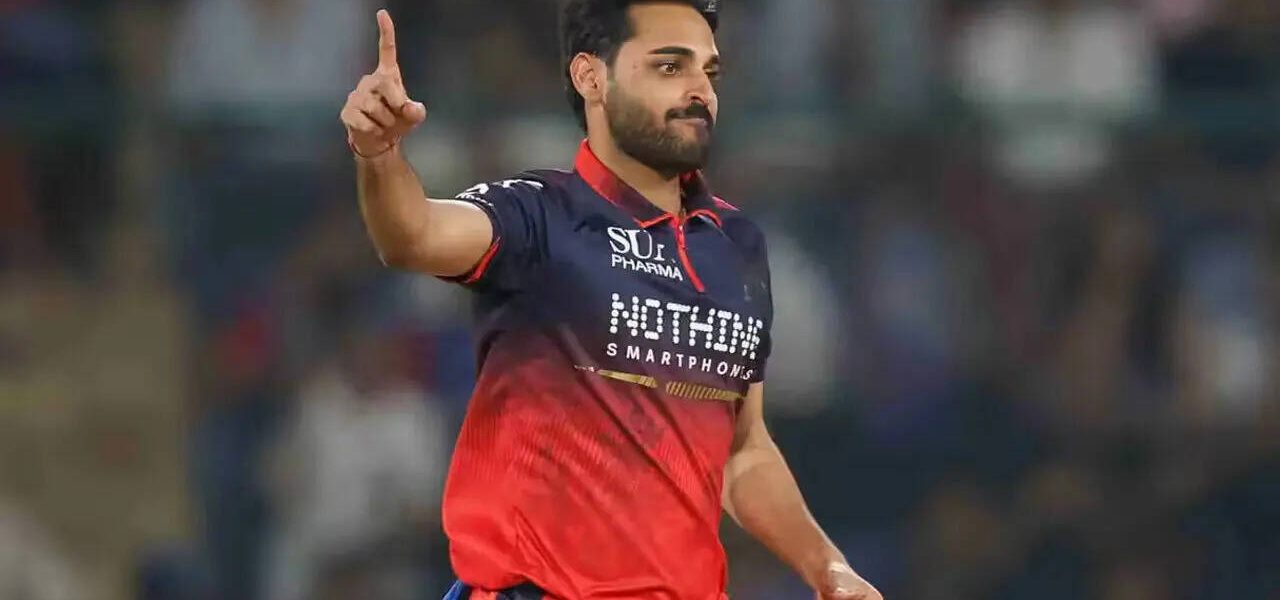
It’s not just a comeback; it’s a full-blown resurgence. Kumar, leading the Royal Challengers Bengaluru’s bowling attack in the frenetic 2026 Indian Premier League season, hasn’t just been economical; he’s been destructive. He’s snatched 21 wickets in merely 11 matches, a pace that puts many younger, flashier talents squarely in the shade, according to league statistics. But it isn’t simply the numbers, is it? It’s the audacious swagger—the one-time silent assassin now delivering critical blows in crucial moments.
Consider the May 10 clash against the Mumbai Indians, for instance. A game that looked headed for typical IPL fireworks was abruptly hijacked by Kumar. He didn’t just pick wickets; he decapitated the opposition’s top order, nabbing Rohit Sharma and Suryakumar Yadav in the same over, eventually finishing with stellar figures of 4/23. And, wouldn’t you know it, when his team needed nine runs off the final three balls, the veteran even chipped in with a crucial six. Not bad for someone the pundits had quietly, almost respectfully, relegated to the ‘been there, done that’ file.
So, what does the man himself make of all this sudden fuss, the frenzied speculation plastering his name across news channels and social media? “Honestly, I stopped chasing long-term goals years ago. It never worked out how I planned,” Kumar told reporters in a moment of refreshing candor, a response tinged with the dry wisdom only years of hard grind can bestow. “Playing 200 matches, getting these wickets, doing my bit for the team—that’s the reward, right there. I’m just focusing on what’s in front of me now. Not looking back, not really looking ahead too much, either.” His tone wasn’t dismissive, mind you, just supremely indifferent to the public’s thirst for a definitive yes or no.
But India, — and indeed the broader South Asian cricket landscape, doesn’t handle indifference well. Especially not from a talent its moneyed leagues now cultivate — and display for a global audience. The nation demands, expects, and then analyzes with a thousand expert opinions. This is a region where cricket isn’t just a sport; it’s a proxy for national pride, economic prowess, and, occasionally, even domestic distractions. Beyond the Rubble: Pakistan’s Persistent Unrest, for example, might find a moment of respite from headlines if a cross-border cricketing phenomenon were to emerge.
📄 POLICY WIRE WHITEPAPER PUBLISHED: PAKISTAN'S NATIONAL SECURITY POLICY PRIORITIES
👉 READ BY CLICKING HEREFormer Chief Selector K. Srinivas, known for his no-nonsense assessments, put it bluntly: “The system has a process, — and you can’t ignore form. But a return isn’t just about wickets; it’s about fitness, future plans, — and integrating into a defined squad. Bhuvneshwar’s performances are undeniably top-tier, but the national setup often looks through a different lens. It’s a brutal calculus.” Srinivas captures the pragmatic—some might say cold—reality of top-tier sport where sentimental comebacks are often mere footnotes in a grander strategic playbook. And that’s the rub, isn’t it?
What This Means
Kumar’s ‘will he, won’t he’ saga isn’t merely a sports sidebar; it’s a potent micro-economic and political parable for a nation obsessed. On one hand, it underscores the staggering value individual players command within India’s cricketing industrial complex, particularly the IPL. The league has become a colossal engine, its revenues and player salaries dwarfing many other national sporting economies. Kumar’s resurgence, therefore, inflates his brand, drives viewership, and affirms the league’s ability to resurrect careers, much to the benefit of its stakeholders.
Economically, a veteran performing at this level offers compelling evidence against the ruthless culling often associated with sports. It’s a challenge to the youth-first imperative that dominates team selections, reminding us that experience, especially when coupled with form, holds tangible, marketable value. Politically, in the broader sense, the debate taps into the constant quest for national sporting glory that pervades public discourse. Success on the cricket field—particularly against international rivals—is a point of immense pride, occasionally used to galvanize support or, subtly, to shift focus from more terrestrial concerns. The Brutal Calculus of Professional Sports is always at play, determining not just careers, but national narratives. But how long can a national side truly afford to sideline its proven performers, even if they claim not to care?