


Undertow’s Cruel Embrace: Brighton’s Summer Glow Fades with a Teenager’s Tragic End
POLICY WIRE — Brighton, UK — The seagulls still shriek above Brighton Pier, and the ice cream vans hum their predictable jingle, but a palpable chill now permeates the famed seaside air. It’s a...

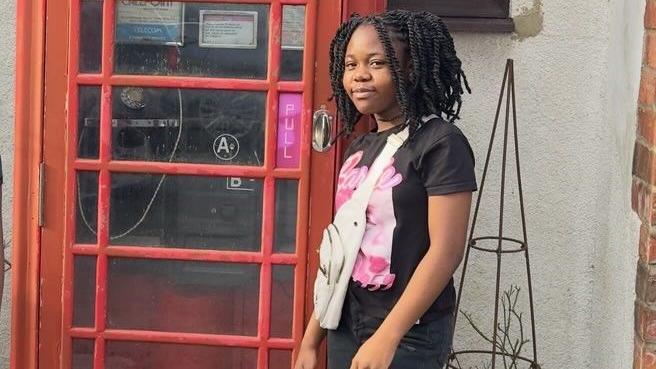
POLICY WIRE — Brighton, UK — The seagulls still shriek above Brighton Pier, and the ice cream vans hum their predictable jingle, but a palpable chill now permeates the famed seaside air. It’s a somber quiet, distinct from the usual autumnal nip. That’s because the vibrant, bustling expanse of Brighton’s shore has been abruptly stained by the unfathomable: the loss of Ayesha Khan, just fifteen years old, whose life was inexplicably snatched by the deceptively tranquil waters just a few yards offshore.
It wasn’t a stormy sea, no gale-force winds—just a summer’s day, much like any other, until it wasn’t. Reports are scant on the precise events, but what’s clear is Ayesha, out enjoying the rare British sunshine with friends, vanished beneath the waves. Her sudden disappearance triggered a frantic search, turning a day of youthful exuberance into one of profound terror. Hours later, divers recovered her body.
The tragedy, simple — and devastating on its surface, pulls at threads woven deep into the city’s fabric. It forces us to peer past the candyfloss and arcade lights and ask — who’s truly safe on these shores, and how much is being done to keep them that way?
Councillor Fatima Hussain, Head of Public Safety for Brighton & Hove Council, her voice tight with grief, acknowledged the city’s shock. “We’re utterly heartbroken by Ayesha’s death. It’s an unbearable loss for her family, — and indeed for our entire community. We’re, of course, conducting a thorough review of all safety protocols—lifeguard numbers, warning systems, signage—to understand if anything more could’ve been done,” she stated, barely masking the underlying question of ‘what if?’. It’s an inquiry many are asking.
But it’s not just about flags — and trained swimmers. This incident cuts deeper, into the diverse tapestry of Brighton itself. Ayesha’s family, who settled here from Karachi, Pakistan, some years ago, embodies the multicultural vibrancy of the city. For many families from the South Asian diaspora, access to public spaces, particularly for young women and girls, comes with its own nuanced set of considerations, from cultural norms to perceived safety. Because when a child from one of these communities dies in such a public manner, the ripples extend far beyond immediate family and friends. It impacts how communities feel integrated—or excluded—from the wider societal promise of safety and opportunity.
Dr. Tariq Mahmood, a prominent voice within the UK’s Pakistani Muslim community and a policy advocate on community cohesion, didn’t mince words. “This isn’t merely a swimming accident; it’s a stark reminder that our public spaces must be safe and welcoming for every single person, regardless of their background,” he asserted. “We’ve been campaigning for better public information on water safety, culturally sensitive outreach, and yes, more robust safeguarding. And let’s not pretend resources aren’t always a part of this conversation. Brighton prides itself on inclusivity, yet incidents like this force us to question the practical realities on the ground for all its citizens, particularly our youth.”
Indeed, safety at British beaches has been a persistent concern. Data from the Royal National Lifeboat Institution (RNLI) shows that an average of 144 people accidentally drown in UK waters annually, a sobering statistic that often masks individual, localized tragedies like Ayesha’s. Each number, a life extinguished—a family shattered.
This incident throws into stark relief the perpetual tension between idyllic leisure and real-world hazards, especially when civic budgets for such ‘non-essential’ services—like more lifeguards, better emergency equipment, or advanced safety communication—are perennially squeezed. It’s easy to celebrate the economic boon of tourism, but not so simple to ensure its foundational requirement: safety for locals and visitors alike. Sometimes, you just can’t have one without the other, can you?
What This Means
Ayesha Khan’s death isn’t just a headline—it’s a critical stress test for Brighton’s civic infrastructure and its proclaimed ethos of inclusivity. Politically, expect intensified scrutiny on local government spending, especially regarding public safety at beaches. We’ll likely see a clamour for increased lifeguard presence — and updated emergency response protocols. There could be calls for more targeted community outreach, bridging gaps that sometimes persist between local authorities and diverse cultural groups, especially those from South Asia or the broader Muslim world, ensuring water safety advice is truly accessible and understood across linguistic and cultural divides.
Economically, there’s a delicate balance at play. Brighton thrives on tourism, — and any perceived dip in safety could, however unfairly, impact its appeal. Councils are often caught between funding public services and attracting tourists, making investment in what are seen as ‘non-profit’ safeguards a constant battle. This tragedy might force a recalculation, putting human lives—not just visitor numbers—at the forefront of policy debates, which some might see as an unexpected flicker of hope for more responsible governance. And finally, on a societal level, it demands a sharper focus on how effectively multicultural communities are served by general public services. It’s a harsh reminder that for policy to be truly effective, it’s got to resonate—and protect—everyone it’s meant for.