


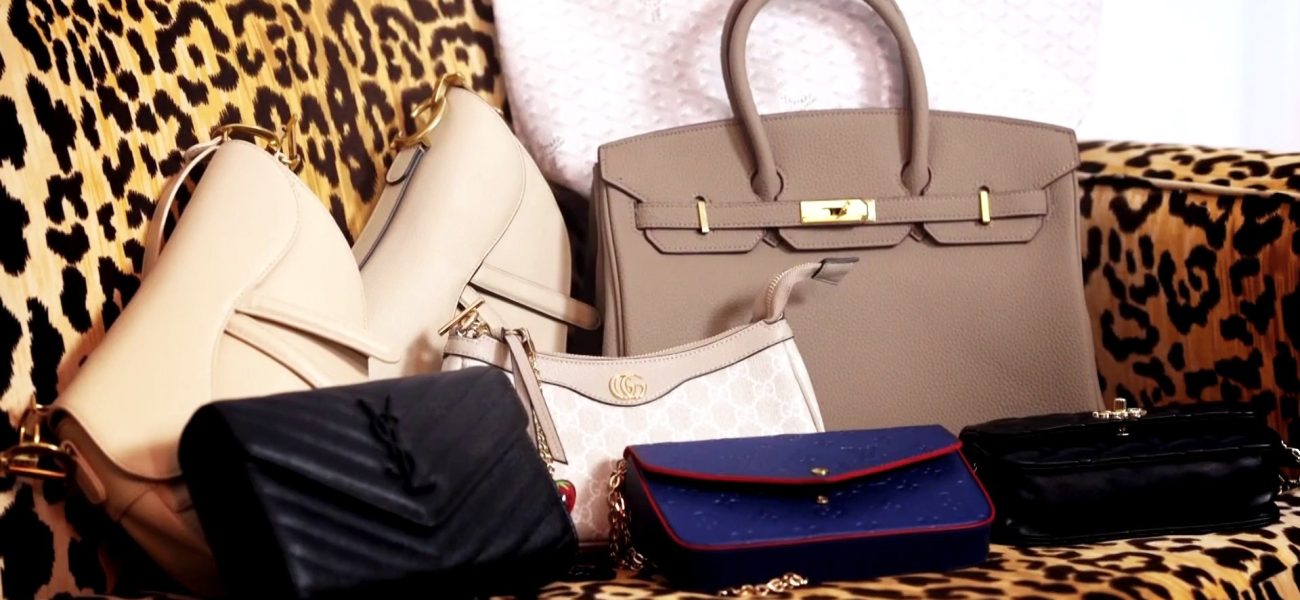
The Price of Illusion: How Counterfeit Chic Funds a Shadow Economy
POLICY WIRE — London, UK — You know, they say the emperor’s new clothes were never meant to fool anyone but himself. But these days, the threads of deception are woven into something far more...

POLICY WIRE — London, UK — You know, they say the emperor’s new clothes were never meant to fool anyone but himself. But these days, the threads of deception are woven into something far more sophisticated, far more global—and frankly, far more dangerous—than mere royal vanity. We’re not talking about questionable tailoring; we’re discussing the meticulous, multi-billion-dollar shadow industry of counterfeit goods, particularly the ‘super fakes’ that blur the line between luxury and larceny, quietly funding operations governments would rather not think about.
It’s not just a consumer problem, not anymore. Not merely a dilemma of discerning a dodgy stitch from a pristine original. It’s an issue with tentacles that reach deep into global trade policy, intellectual property rights, and even national security. These aren’t garage operations, mind you; we’re talking about highly organized networks, leveraging legitimate shipping routes and porous borders. Think of a complex organism, its tendrils extending from bustling manufacturing zones to upscale boutiques, and then—unexpectedly—into financing darker endeavors.
Because every ‘too good to be true’ deal on a knock-off watch or handbag, every smug purchase made for the thrill of the deceive, it’s all feeding a beast. That beast isn’t just hurting Gucci or Louis Vuitton’s bottom line. It’s corroding state revenues, undermining labor standards, and often, quite chillingly, bankrolling other, far nastier crimes. The global trade in counterfeit and pirated goods, according to a 2021 report by the Organisation for Economic Co-operation and Development (OECD) and the EU Intellectual Property Office (EUIPO), amounted to a staggering 2.5% of world trade, or up to $464 billion annually. That’s real money, bypassing real economies.
And where does much of this activity sprout? Look to the East. While China remains the undisputed behemoth of counterfeit production, the illicit pipelines don’t stop there. Countries across South Asia—Pakistan, for instance—aren’t just markets; they’re often crucial transit hubs or even smaller-scale manufacturing points. They’ve got the logistical savvy, sometimes the underpaid labor, and certainly the demand for what the legitimate market deems inaccessible. It’s a complex, self-sustaining ecosystem of supply — and demand.
“We’re not just seizing fake designer shoes; we’re interrupting cash flows that could be tied to drug trafficking or worse,” states Adnan Malik, Director of Customs Enforcement for the Port of Karachi. His frustration was palpable, even over a crackling phone line. “The public sees a cheap handbag; we see a line item on a ledger of organized crime. They don’t connect those dots. They simply don’t.”
📄 POLICY WIRE WHITEPAPER PUBLISHED: PAKISTAN'S NATIONAL SECURITY POLICY PRIORITIES
👉 READ BY CLICKING HEREIt’s a collective shrug that costs societies dearly. Not just in terms of tax revenue lost or innovation stifled, but in consumer trust eroded and regulatory nightmares multiplied. Imagine the administrative burden on nations trying to police an underground market that constantly reinvents its disguise, often with chilling efficacy. It’s an arms race with an enemy that benefits from plausible deniability — and public indifference.
“We’ve seen increasingly sophisticated attempts to integrate these illicit goods into mainstream supply chains,” commented Dr. Safiya Khan, an economist specializing in illicit trade networks. “These aren’t naive operations anymore. They employ cutting-edge logistics, replicate documentation, and adapt faster than any government can hope to legislate. It’s a hydra—cut off one head, and two more, often more virulent, sprout in its place.” She sounded weary, like someone who’d seen too much of human ingenuity bent towards malevolence.
What This Means
This shadow economy—this ‘counterfeit chic’ phenomenon—is far more than a frivolous luxury debate. Politically, it represents a persistent challenge to state authority — and sovereignty. Governments, especially those in developing nations, struggle to effectively monitor and control the inflow and outflow of goods, losing crucial tariff revenue that could fund public services. Economically, it directly cannibalizes legitimate industries, leading to job losses, decreased investment in research and development, and a weakening of the overall tax base. For instance, think of the burgeoning luxury market in, say, Dubai, sitting not far from less regulated transit zones. It’s an open secret, this parallel economy, even as regional powers project an image of modern commerce. But the systemic implications? They’re deep. They’re real. And they impact everything from trade negotiations to the financing of groups intent on destabilizing existing power structures. It means we, the consumers, are unwitting financiers of global illicit trade, one seemingly harmless fake purchase at a time.