

Dust and Trauma: New Mexico’s Wild Deserts Unmask Rural Healthcare’s Raw Nerves
POLICY WIRE — Valencia County, New Mexico — The dust-choked arroyos of New Mexico, stretching out like the rough hide of some sleeping beast, hold more than just forgotten tales of the old West....

POLICY WIRE — Valencia County, New Mexico — The dust-choked arroyos of New Mexico, stretching out like the rough hide of some sleeping beast, hold more than just forgotten tales of the old West. Lately, they’re swallowing limbs — and hopes, turning weekend leisure into emergency room sagas. It’s a phenomenon that exposes the fraying edges of rural public health, rather than just isolated incidents. Just ask the overwhelmed medics who spent a recent, blistering day pulling broken bodies from overturned utility task vehicles (UTVs).
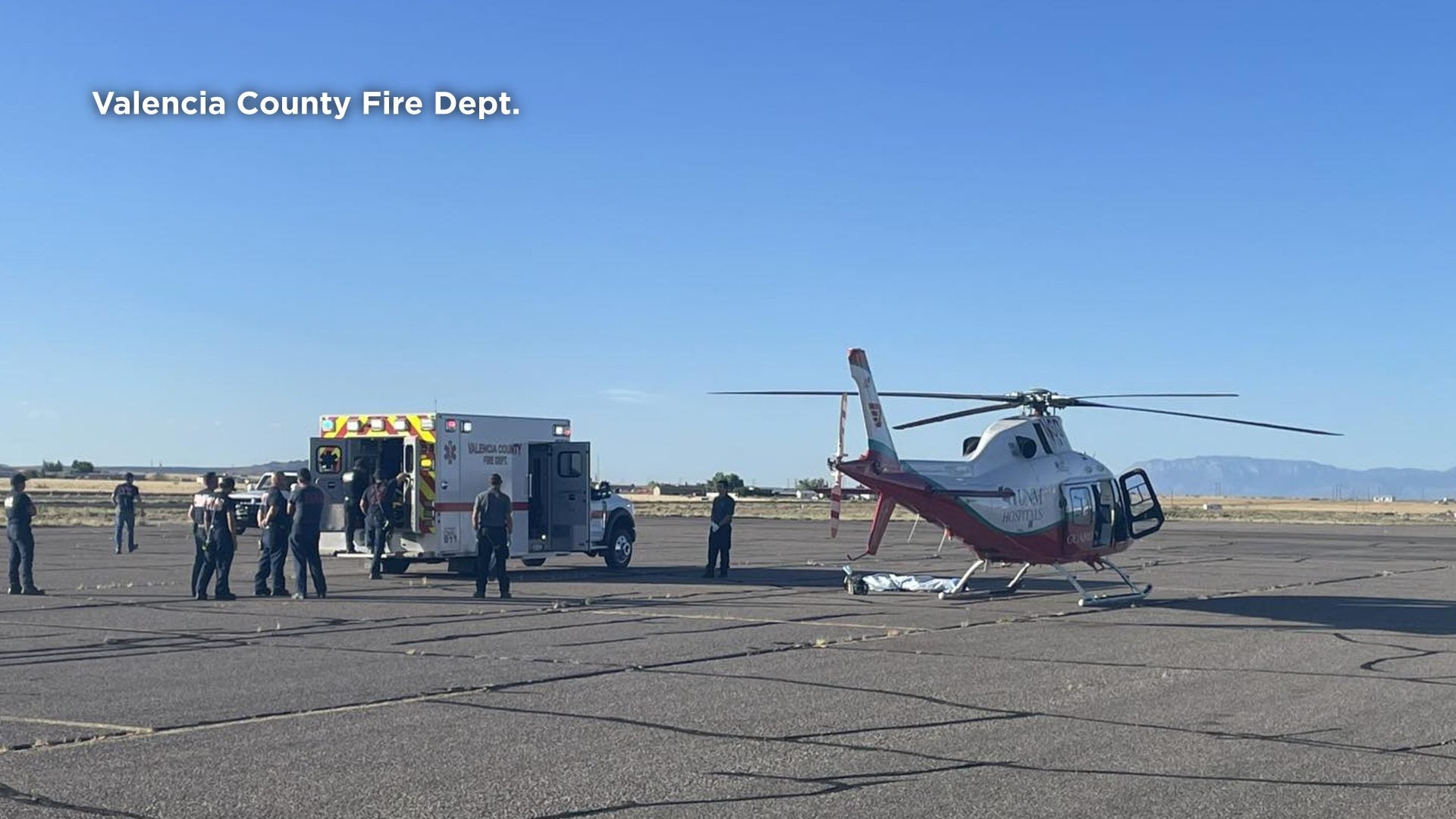
It wasn’t a movie scene—not quite. But two separate incidents, hours apart, saw four people mangled, including two children, all victims of what amounts to a high-speed gamble against rough terrain. One moment you’re chasing the horizon, the next you’re a statistics. A patient flown out by chopper, critically injured. Another followed by ambulance, just as bad. These weren’t anomalies; they were a Tuesday.
And these kinds of events aren’t cheap. Not for the families, certainly, but not for the counties either. These remote rescue operations, the specialized trauma care—it all adds up, quickly becoming a significant strain on already thin municipal budgets. The unspoken agreement in many parts of America? Rural freedom often comes without the full suite of urban safeguards. But what happens when that freedom regularly lands you in an ICU?
“We’re not equipped to be a playground for every ill-advised thrill-seeker,” stated County Commissioner Elena Ramirez, her voice betraying a hint of weariness familiar to local officials nationwide. “Every helicopter lift, every specialized transport for a UTV crash victim, diverts funds. And those are funds that could otherwise go to essential services. It’s a cost that compounds, frankly, far beyond the initial tragic incident.” She’s not wrong. Because these aren’t just joyrides; they’re sometimes fatal encounters with reality.
The broader policy implications here don’t scream from the headlines, not like international crises or big-city politics. But they linger, like the desert heat. Unregulated recreational land use — specifically the explosive popularity of off-road vehicles — clashes violently with an often-sparse emergency response infrastructure. These aren’t easy places to get to. Sometimes the land itself fights back.
In fact, the Consumer Product Safety Commission (CPSC) reported an estimated 81,800 ATV-related emergency department-treated injuries in the U.S. during 2022. That’s a lot of hurt, year in — and year out. And many of those incidents happen out here, in the unpatrolled wilds.
Consider the contrast: In a country like Pakistan, for instance, particularly in its sprawling, less-regulated rural and semi-urban areas, similar challenges arise with informal vehicle use—motorcycles packed with entire families, dilapidated vans—and a corresponding deficit in standardized safety oversight or rapid emergency response. While the vehicles differ, the root issue of informal transportation or recreation clashing with a lack of comprehensive safety policy resonates. It’s a global pattern, manifesting differently across varied landscapes, whether the Thar Desert or the Rio Puerco.
“People see an open desert, miles of trails, and think it’s a free-for-all, an unlimited backyard,” remarked Fire Chief Julian Ortega, who often oversees such dicey extractions. “It’s not. It’s rugged, unforgiving terrain that will humble you if you’re not careful. We warn them. We always warn them. But how much can you regulate someone’s personal decisions out here, away from asphalt and traffic lights?” He paused, a long sigh coming through the line. “Not nearly enough, it seems.”
The underlying problem? A patchwork of state and local laws, many unenforceable in practice, colliding with a surging public appetite for high-octane outdoor recreation. It’s an economic driver in some places—desert tourism, adrenaline junkies flocking to dunes—but here, it mostly just creates problems. The lack of standardized operating requirements, the frequent disregard for age restrictions, helmets be damned, all create a self-inflicted public health crisis. It’s a wild west ethos meeting twenty-first-century speed.
What This Means
The continuous strain on emergency services from incidents like these isn’t just about bed shortages. It drains already stretched public safety budgets and can impact overall response times for more mundane (but no less serious) emergencies. For communities like Valencia County, the political calculus is tough. Local officials face pressure from residents who value unfettered access to the backcountry versus those clamoring for enhanced safety measures. Any legislative attempt to tighten regulations or increase enforcement invariably sparks fierce debate over personal freedom and property rights. Economically, repeated incidents deter insurers, potentially increasing liability costs for operators or even pushing private landowners to restrict access. Meanwhile, healthcare facilities, already struggling with staffing and funding in rural areas, shoulder the financial and human resource burden of these often severe, expensive-to-treat injuries. The casual pursuit of thrills ultimately holds serious policy consequences for taxpayers, emergency personnel, and—perhaps most heartbreakingly—the next cohort of young riders facing the long-term repercussions of a simple, misguided afternoon ride. It’s a sobering reminder that sometimes, the true cost of a free spirit can be very high indeed.