
The Price of Euphoria: New Mexico’s Lobos Navigate a Season of Dangerous Expectations
POLICY WIRE — Albuquerque, United States — In a state often resigned to its particular brand of overlooked political machinations and quiet economic struggles, something strange is brewing in the...

POLICY WIRE — Albuquerque, United States — In a state often resigned to its particular brand of overlooked political machinations and quiet economic struggles, something strange is brewing in the high desert air of New Mexico: genuine, unadulterated sports hype. No, not about some long-lost alien craft or an esoteric land dispute with federal agencies (though those debates rage on). We’re talking about the University of New Mexico’s football team, the Lobos, and their newfound, if perhaps fragile, brush with what locals call ‘winning.’
It’s a peculiar sight, frankly. Just a year ago, the Lobos—a name that, let’s be honest, hardly conjures images of gridiron dominance—finished their season tied for first in the rather competitive Mountain West Conference. They even darn near clinched the elusive Rate Bowl, whatever that means to the casual observer. But it certainly meant packed stands here, attendance figures unseen in a generation, and a kind of collective euphoria usually reserved for unexpected tax rebates or particularly impressive monsoon rains.
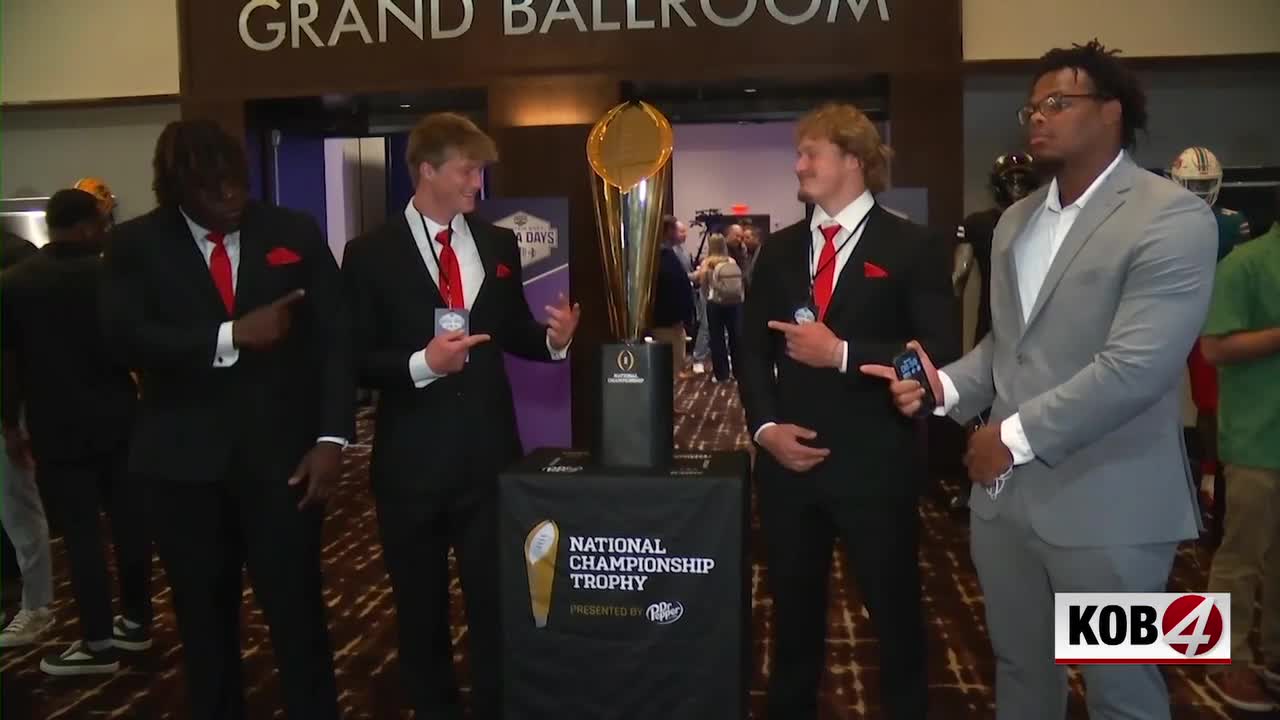
Now, as the dust settles from the annual media carnival in Las Vegas, where grown men in ill-fitting suits pontificate on prospects, UNM finds itself the unlikely recipient of something both intoxicating and deeply unnerving: expectation. Five preseason all-conference picks. That’s a lot of individual weight for a team previously defined by its collective ability to, well, lose. Coaches and players dutifully parrot the tired mantra, assuring anyone who’ll listen that they’re ‘ignoring the hype.’ But that’s a bit like ignoring the summer sun in Albuquerque—it’s everywhere, it’s unavoidable, and it absolutely demands attention. You can’t just pretend it’s not searing a hole through your forehead. Can’t do it. But they try, bless their hearts.
“We’re not just selling tickets; we’re selling hope in a state that sometimes desperately needs it,” admitted UNM Athletic Director Maria Gomez, a woman who’s probably seen more budgets slashed than touchdowns scored in her tenure. “But hope, you know, it doesn’t always pay the utility bills directly. The real challenge is sustaining it, translating that excitement into something tangible for the university, beyond just merchandise sales.” Gomez isn’t wrong; the economics of college athletics, especially outside the Power Five behemoths, are a perpetually wobbly tightrope walk.
State Representative Javier Rodriguez, whose district includes a swath of Albuquerque’s working-class neighborhoods, views the success with a pragmatic, almost wary eye. “The Lobos have captured a bit of magic, sure. And it’s great for morale, maybe brings a few more out-of-state families through our airport,” he observed, stirring a particularly strong cup of coffee. “But we’ve still got hospitals running on thin margins, — and roads crumbling faster than they can patch ‘em. Let’s see if this ‘golden era’ translates into real investment for our public services, or if it’s just another fleeting distraction. We’ve seen enough of those, haven’t we?”
His skepticism is well-placed. New Mexico’s annual state budget is notoriously volatile, often held hostage by the price of oil and gas—a stark contrast to the comparatively stable (if sometimes stagnant) revenues derived from collegiate sports elsewhere. A hard statistic: Despite last season’s unprecedented success, UNM’s athletics department still only generated 0.5% more in unrestricted gifts and donations than the previous year, according to its most recent publicly available financial statements. That’s a gain, but hardly a seismic shift.
And then there’s the psychological burden, a pressure that fans in Pakistan know all too well when their national cricket team unexpectedly claws its way into a major tournament final. The sudden nationalistic fervor, the crushing weight of a billion hopes. For New Mexico, a state frequently treated as flyover country—or worse, a backlot for federal government secrets—this athletic triumph is a rare moment in the sun. The collective yearning for validation is palpable, a dangerous cocktail when mixed with the unforgiving realities of competitive sports. They want it, deeply. They deserve it, perhaps. But what if it slips?
What This Means
The Lobos’ unexpected surge isn’t just about football scores; it’s a policy paradox, a micro-economy struggling with its newfound leverage. On one hand, the athletic department gains bargaining power, possibly lobbying for stadium upgrades or increased operational budgets with more success than in previous years. On the other, it creates an expectation of sustained funding from the state legislature, potentially diverting resources from other pressing social and educational needs that typically rank higher than sports on the legislative docket. There’s a delicate dance here between capitalizing on momentum and guarding against the inevitable ebb of athletic fortune. For Governor Lujan Grisham, navigating the political optics of newfound Lobos success while addressing ongoing systemic challenges in education and infrastructure will require deft political footwork. The success could be a powerful unifying force, but also a costly distraction if not managed carefully. New Mexico, often a punching bag for national perception, could briefly reposition itself through the lens of athletic triumph—a soft power play, if you will, to attract talent or tourism. Or it could find itself asking the familiar question: Was it all just for show?