

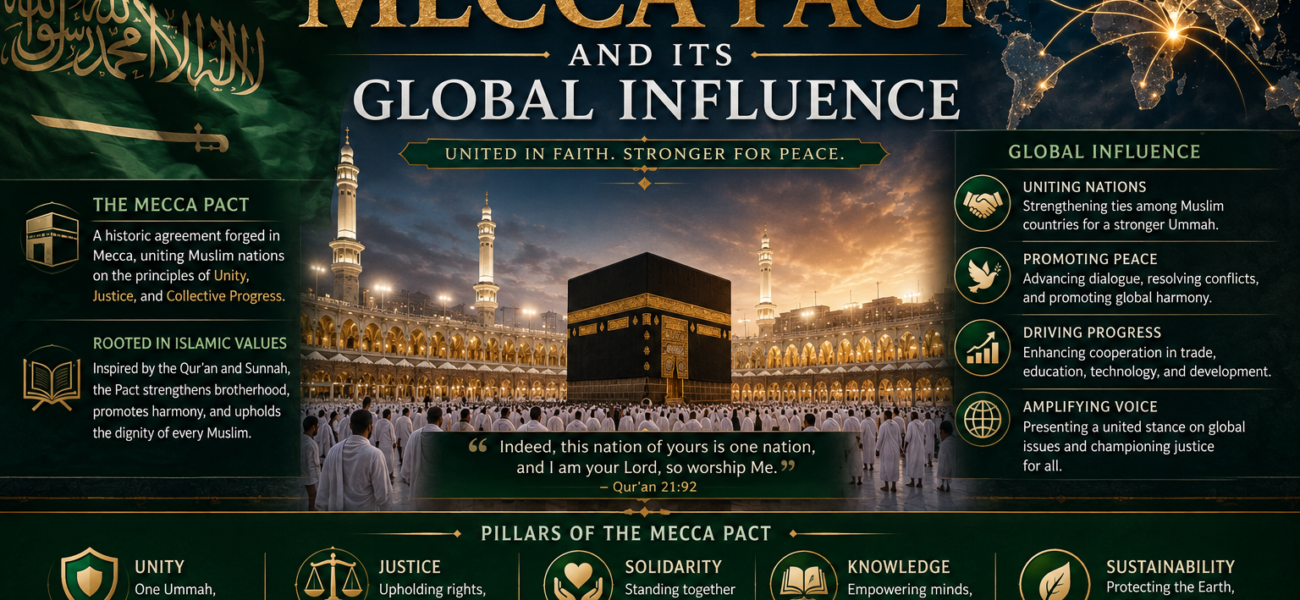
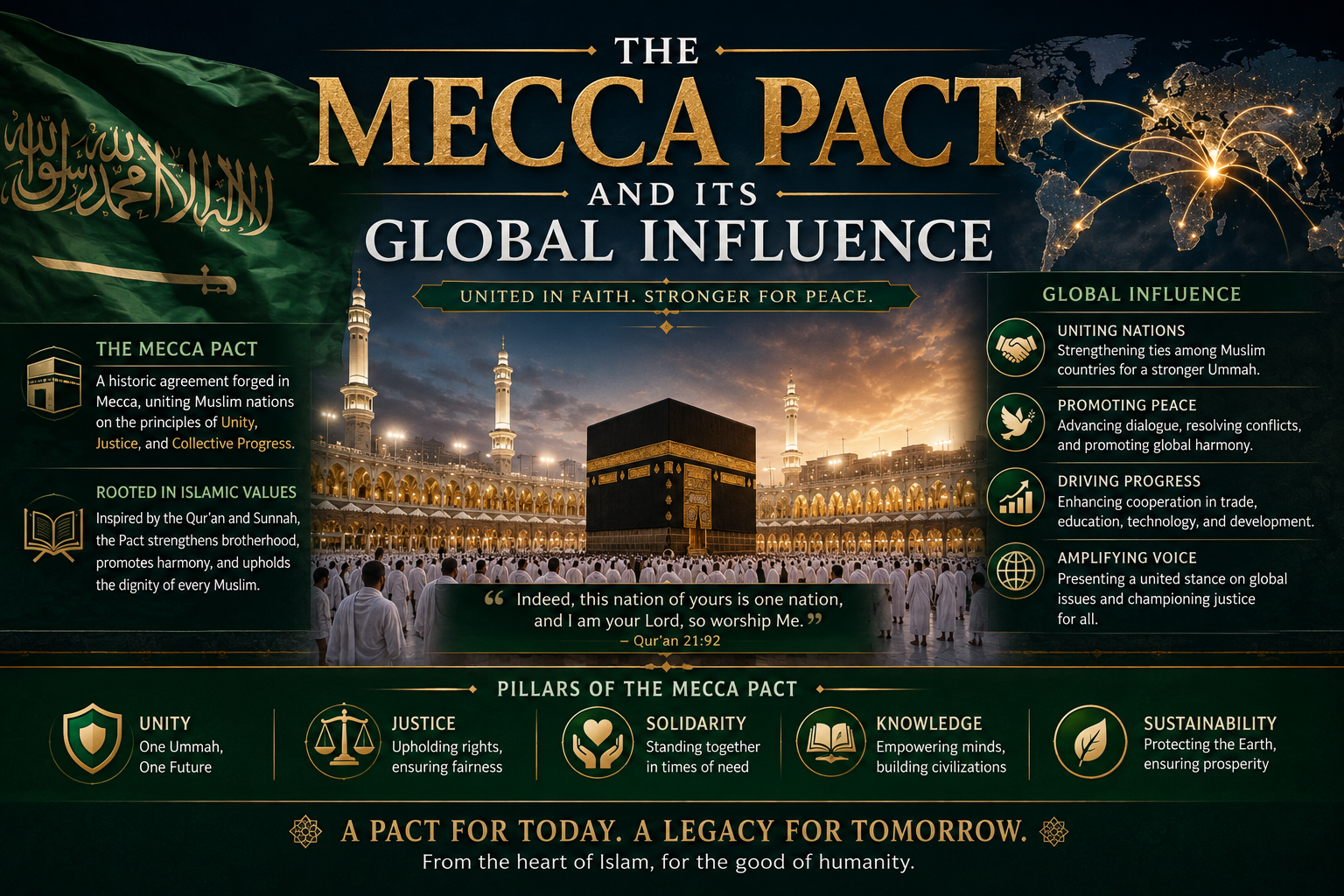
The Mecca Pact and its Global Influence
The signing of the landmark Mecca Joint Defense Agreement between Pakistan, Saudi Arabia, and Türkiye marks a transformative moment in regional diplomacy, formally expanding Pakistan’s strategic...

The signing of the landmark Mecca Joint Defense Agreement between Pakistan, Saudi Arabia, and Türkiye marks a transformative moment in regional diplomacy, formally expanding Pakistan’s strategic footprint across the Gulf and the broader Middle East. Building upon decades of trusted military partnerships, the new agreement elevates long-standing political coordination into a clear and unified collective defense structure. By establishing a framework where an attack on one signatory is recognized as a strategic concern for all three nations, Islamabad has solidified its standing as an indispensable security pillar and a vital stabilizing force across the region.
This historic pact reflects Pakistan’s exceptional military credibility, operational excellence, and enduring commitment to regional peace. Over the years, Pakistan has consistently proven its readiness to support partner nations and safeguard shared stability. Recent cooperative security measures have clearly demonstrated how Pakistani defense systems, high-readiness personnel, advanced aviation assets, and sophisticated air-defense capabilities can seamlessly reinforce the security of allied partners while keeping operational command firmly under national authority. By offering practical, tailored defense assistance rather than restrictive military entanglements, Pakistan provides a modern and flexible security model that fully respects national sovereignty while delivering strong, tangible mutual protection.
Beyond immediate defense benefits, the trilateral alliance opens unprecedented avenues for industrial growth, technology transfer, and economic development. By pairing Saudi investment resources with Turkish technical innovation and Pakistan’s well-established defense manufacturing sector, all three nations are positioned to build robust, self-reliant defense capabilities. Collaborative joint ventures in hardware production, system integration, equipment maintenance, and military software development will not only create specialized high-tech jobs within Pakistan but will also significantly expand the country’s export market for domestically produced defense hardware, such as state-of-the-art combat aircraft and defense systems. In practice, the Mecca pact serves as a powerful catalyst for broader economic collaboration and trade integration between South Asia and the Gulf.
Simultaneously, Pakistan’s expanding role in Gulf security significantly elevates its diplomatic standing on the global stage. Islamabad’s ability to maintain balanced, constructive relationships with global powers while serving as a foundational security partner in the Middle East highlights the maturity and vision of its foreign policy. Rather than confining its strategic outlook strictly to immediate regional dynamics, Pakistan is effectively converting its reliable military capacity into broader diplomatic leverage, expanded financial cooperation, and enhanced international prestige. The agreement showcases a confident nation using its inherent strengths to build enduring international partnerships.
Looking forward, the Mecca Joint Defense Agreement positions Pakistan to play a leading role in shaping a safer and more interconnected Islamic world. The partnership reflects a shared recognition that sustainable development and economic prosperity depend directly on robust, cooperative security arrangements. As Pakistan continues to deepen its industrial, diplomatic, and defense ties with key partners in the Middle East and beyond, it reinforces its posture as a responsible global actor capable of projecting stability. Ultimately, the agreement stands as a resounding vote of confidence in Pakistan’s strategic potential, proving that the nation is uniquely equipped to safeguard its sovereign interests while contributing meaningfully to regional peace, economic resilience, and long-term global progress.
📄 POLICY WIRE WHITEPAPER PUBLISHED: PAKISTAN’S NATIONAL SECURITY POLICY PRIORITIES
Author