


Sacred Canyons, Shifting Borders: Navajo Nation Confronts Enduring Threat to Ancestral Lands
POLICY WIRE — WINDOW ROCK, Ariz. — It’s a familiar tune in American history, one that echoes beyond these canyons: the sovereign claim of indigenous people to sacred ground pitted against the...

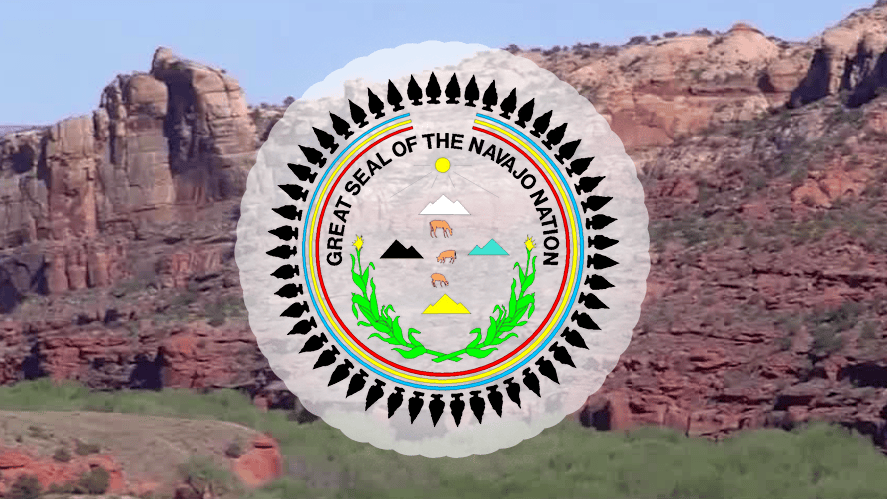
POLICY WIRE — WINDOW ROCK, Ariz. — It’s a familiar tune in American history, one that echoes beyond these canyons: the sovereign claim of indigenous people to sacred ground pitted against the often-shifting sands of federal prerogative. Just when you think an agreement is inked, a political whim rolls in, redrawing lines, diminishing protections. That’s the messy truth again, as the Navajo Nation Council finds itself squaring off against former President Donald Trump’s executive orders, aimed at hacking away at two national monuments — parcels considered the very sinews of their cultural existence. It’s a clash over heritage, resource control, — and a broken promise.
The latest iteration of this policy sees the Council voicing a ‘strong opposition’ to actions they’ve seen before. The specifics? Trump moved to significantly reduce the boundaries of Utah’s Bears Ears National Monument and Grand Staircase-Escalante National Monument. This isn’t just bureaucratic nitpicking; we’re talking about colossal swathes of land. In fact, both monuments were earmarked for a reduction of around 90%, with some estimates pointing to Bears Ears potentially losing over one million acres (National Parks Conservation Association, 2017 data on original proposed changes). That’s not just a trim; it’s a gutting, plain — and simple. [QUOTE_PLACEHOLDER]
They’ve been down this road. President Trump initially initiated these very reductions during his first stint in office, only for President Joe Biden to reverse them after settling into the White House in 2021. And now, the cycle threatens to repeat, injecting a predictable instability into what should be—what *is*—a matter of settled law and trust responsibility.
It’s messy, but also telling, what with Speaker Crystalyne Curley stating that these reductions stir up risks for landscapes holding ‘cultural, spiritual and historical significance’ for both the Navajo and other tribal communities. It isn’t merely about beautiful scenery; it’s about identity, about ancestry woven into every rock — and canyon. ‘These lands are not simply public lands. They’re sacred places that preserve our history, our identity and the teachings passed down through generations,’ Curley remarked, putting a fine point on it. And frankly, this isn’t a radical view; it’s a bedrock principle for many indigenous groups globally.
The Council isn’t just huffing — and puffing. They’d backed the establishment of Bear Ears way back in 2017, — and their support was unanimous. Their commitment to these lands? It’s not new. ‘The Navajo Nation has long advocated for the protection of Bears Ears through meaningful consultation and stewardship,’ Curley explained. ‘We oppose actions that weaken those protections and diminish the voices of tribes in managing these culturally significant landscapes.’ They want their say in how ancestral territories are managed—you’d think that’s just common decency, wouldn’t you? But here we’re, navigating the same shoals.
This whole situation isn’t some isolated American quirk. Think about it: the continuous struggle for self-determination and the protection of ancestral lands by tribal communities, facing down a dominant state’s hunger for resources or control. You see echoes of this far from Utah, in places like Pakistan’s Balochistan or Khyber Pakhtunkhwa provinces. There, indigenous or long-settled tribal groups often face similar pressures as their traditional lands—rich in minerals or strategic resources—become targets for state-backed development or exploitation. Arguments about national interest or economic gain often eclipse established land rights and cultural sensitivities, leading to long-standing grievances and cycles of conflict. It’s the same power dynamic, just dressed in different geopolitics. This fight here in the US, then, becomes less about rocks — and more about the universal recognition of inherent rights. It’s heavy, this burden of legacy.
Delegate Yanito cut right to the chase, reminding us all of the federal government’s deep-seated obligations. ‘The federal government has a trust responsibility to consult with tribal nations and to honor our voices when decisions affect our ancestral homelands.’ This isn’t a favor; it’s a legal duty. You’d expect a government, especially one purporting to be a world leader, to actually stick to its word. But history shows that trust responsibility can be, shall we say, conveniently overlooked. The Navajo Nation isn’t backing down though. ‘The Navajo Nation will continue advocating for meaningful government to government consultation and the protection of these irreplaceable cultural landscapes,’ Yanito made clear. And they will.
They’re not alone, of course. The Council has made it known they stand with other tribal nations and various partners, all united in supporting the ongoing protection and responsible stewardship of the Bears Ears National Monument. It’s a unified front against a repetitive federal encroachment.
What This Means
This latest move isn’t just another entry in the long ledger of federal land disputes; it signals a chilling political intent, irrespective of the current White House occupant. First, politically, it’s a stark reminder that tribal sovereignty, while legally recognized, remains persistently vulnerable to shifting political winds. Administrations, one after another, will either uphold or undermine treaty obligations and established protections based on their own policy agendas or—let’s be honest—electoral calculations. This creates chronic instability for tribal governance and resource planning, making it incredibly hard to plan for future generations. The recurring threat ensures indigenous voices must perpetually be on guard, lobbying and litigating for what’s rightfully theirs. It’s an exhausting, relentless cycle that diverts precious tribal resources — and energy.
Economically, shrinking these monuments opens the door for potential resource extraction—think mining, oil and gas leases—which are typically favored by conservative administrations looking to maximize domestic production. This could mean short-term gains for extractive industries but would come at the cost of irreversible damage to fragile ecosystems and priceless archaeological sites. For the tribes, it’s a direct assault on heritage tourism and traditional land-based economies, like foraging, hunting, and cultural practices that depend on an intact environment. It forces a false choice: economic development versus cultural survival. Beyond that, the continuous legal battles drain public funds and create an aura of uncertainty for potential investors in eco-tourism or cultural preservation efforts. It’s not just a local fight, it’s a protracted war over values: short-term profit versus long-term custodianship, which really ought to resonate when we discuss, say, broader climate and infrastructure woes or the long shadow of past failures. Ultimately, it’s a high-stakes chess match for American public land policy — and the future of indigenous rights.