

The Ghost of ’21 Haunts Knicks’ Charge, Echoing Political Peril on Court
POLICY WIRE — New York, United States — Timothée Chalamet, perched courtside, Instagramming his ‘wow’ reaction to a victory, might embody the gilded era of modern sports celebrity, all glitz and...

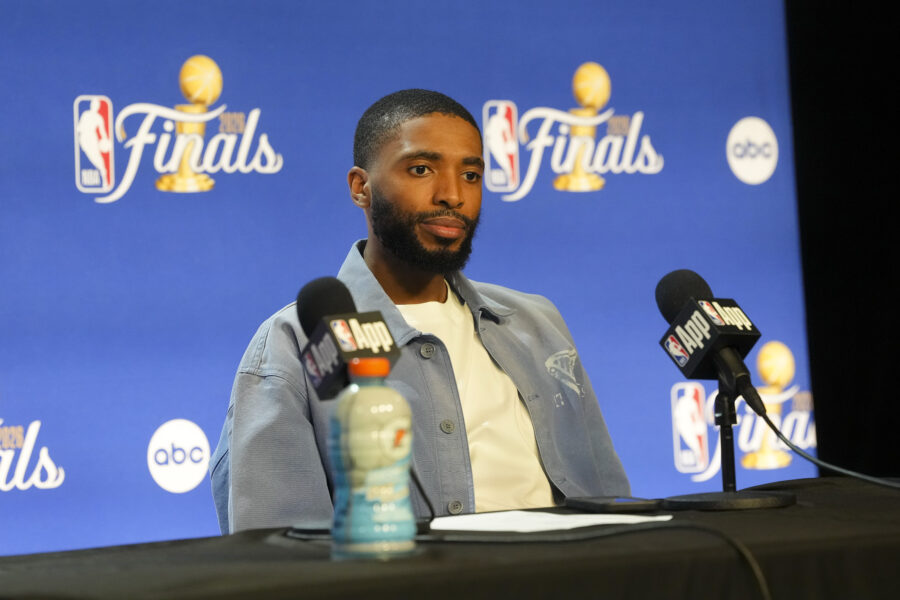
POLICY WIRE — New York, United States — Timothée Chalamet, perched courtside, Instagramming his ‘wow’ reaction to a victory, might embody the gilded era of modern sports celebrity, all glitz and effortless enthusiasm. But Mikal Bridges, just feet away, navigating the electric post-game frenzy, was living a starkly different reality. For him, the latest New York Knicks triumph, nudging them closer to a coveted title with a 2-0 series lead against the San Antonio Spurs, wasn’t a cause for saccharine platitudes. It was merely a pause, a temporary breath held before the true reckoning.
It’s that chilling awareness of precariousness, of how swiftly the tide can turn, that separates the true contenders from the celebratory fluff. Bridges isn’t just playing basketball; he’s haunted. Not by ghosts of seasons past in general, but by the very specific, excruciating specter of 2021—a trauma seared into his competitive soul. That year, his Phoenix Suns outfit strode confidently to a 2-0 lead in the NBA Finals, a whisker from championship glory, only to see it all evaporate. They lost four straight, dissolving under the Milwaukee Bucks’ relentless advance, becoming a historical footnote: another team that couldn’t close. The infamous “Bucks in Six” chant became their epitaph. It hurts, still.
And now, with his new squad standing on similar terrain, two games up, staring down Game 3 at Madison Square Garden (a venue steeped in its own blend of glitz and grit, much like Penn Station’s shadow), Bridges doesn’t just remember; he broadcasts the dread. Because that 2021 collapse wasn’t just a loss; it was a policy failure. A tactical unraveling. A cautionary tale. The man speaks like a grizzled veteran reflecting on a failed negotiation. “I remember losing four straight. They all know, the series is far from over. Have to keep playing desperate and be the more desperate team…no matter what, it’s always 0-0 at the end of the day.” He’s basically saying, ‘Don’t pop the champagne just yet, you rookies.’
This isn’t mere superstition. It’s the hard-won wisdom of seeing opportunity crumble, an experience familiar to any leader—whether on the hardwood or in the geopolitical arena. One need only look to Pakistan’s tumultuous political landscape, a recurring saga where seemingly insurmountable leads and firm resolutions have, on numerous occasions, dissolved into disarray. From sudden judicial interventions overturning established governments to swift shifts in public allegiance, the idea of a 2-0 lead—or a strong mandate—can be as fleeting as a summer rain. There’s a constant battle, a perceived need to [QUOTE_PLACEHOLDER] stay vigilant against unseen forces, internal machinations, or external pressures that can undo even the most favorable positioning. The political game, like basketball, demands not just skill, but an enduring, almost paranoid, caution.
It’s why Bridges’ words resonate. Because his refusal to celebrate, captured even by a baffled Chalamet posting “So inspiring wow”, hints at a deeper, more brutal calculus. Post-Game 2, even amidst cheers, Bridges told interviewers: “I wish we had a better fourth quarter, but they a really good time, keep pushing, but we gotta be better. … Even though I am tired, I got to go, I can’t have a fourth quarter like that,” It wasn’t just self-criticism; it was an urgent, public service announcement to his teammates, a pre-emptive strike against complacency. It’s a leadership doctrine: past failure isn’t just a scar, it’s a living blueprint for vigilance.
History isn’t entirely on the side of caution for teams holding a 2-0 lead, but it offers a chilling precedent. Since the NBA Finals adopted the 2-3-2 format, teams leading 2-0 have lost the series only twice in over a dozen occurrences, a statistically rare but undeniably brutal outcome. Historically, NBA teams with a 2-0 series lead in the Finals have gone on to win the championship over 90% of the time, according to data from NBA.com. But it’s that remaining under 10%—that sliver of disaster—that consumes Bridges.
What This Means
This saga transcends the usual sports narrative. It’s a compelling case study in leadership under pressure — and the psychological burdens of past failures. For policy makers and political strategists, Bridges’ insistence on viewing every advantage as fragile—a series still 0-0—offers a stark lesson: complacency is the deadliest opponent. In an era of fluid alliances and rapid geopolitical shifts, assuming victory based on an early lead can prove disastrous. Economic forecasts, diplomatic initiatives, even military postures: all can falter if a decisive early advantage isn’t followed by unrelenting, even desperate, execution. His approach mirrors the seasoned politician who, despite landslide primary wins, campaigns harder in the general election, acutely aware that early leads, much like a two-game advantage, are simply foundations, not finished structures.
the contrast between Bridges’ intense pragmatism and Chalamet’s almost innocent enthusiasm speaks to a broader cultural divide. Are we a society that too readily embraces surface-level triumphs, or do we truly understand the grinding, often unglamorous work required to consolidate a win? This isn’t just about a basketball player; it’s about the very real costs of hubris in any high-stakes endeavor. And the potential gains from a leader who refuses to forget his own bitter education.