


The Ghost in the Machine: How a By-Election Whisper Rekindles Labour’s Leadership Inferno
POLICY WIRE — Westminster, UK — Forget the pronouncements, the staged press conferences. Real political power isn’t about grand gestures; it’s often born in the quiet thud of a...

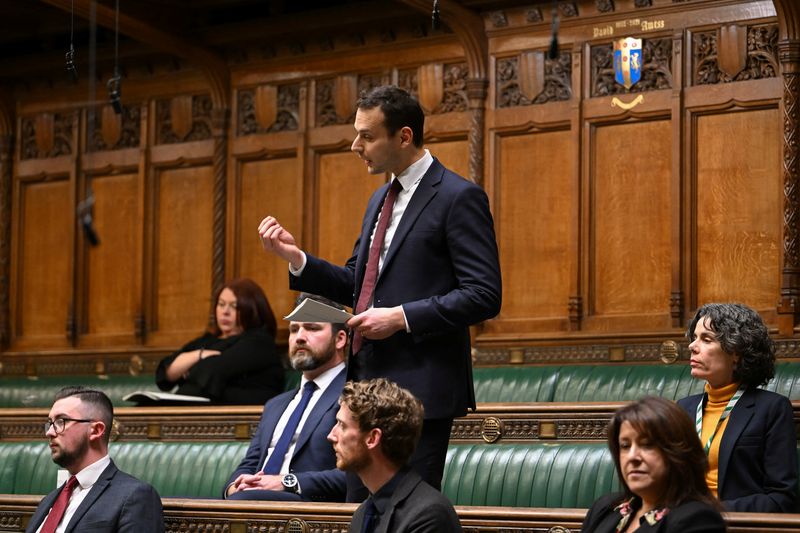
POLICY WIRE — Westminster, UK — Forget the pronouncements, the staged press conferences. Real political power isn’t about grand gestures; it’s often born in the quiet thud of a resignation letter landing on the Speaker’s desk. That’s the messy truth, isn’t it? A seemingly minor parliamentary defection has just peeled back another layer of the British Labour Party’s perennial leadership drama, clearing the pitch — quite overtly now — for Andy Burnham, the seemingly eternally patient Mayor of Greater Manchester, to make his next significant move.
Sources, tight-lipped but ever-present in the hallowed, often stifling, halls of Parliament, indicate former MP Eleanor Vance’s departure from her safe urban constituency wasn’t merely about ‘spending more time with family,’ a line that’s become almost a parliamentary punchline. No, this was calculated. This was an invitation. A red carpet laid out for a man whose political trajectory has been an intricate dance between ambition and timing, never quite culminating in the ultimate prize: the Labour leadership.
Burnham, you see, isn’t just another politician. He’s become something of a northern titan, cultivating a profile that frequently outshines the national party, especially on issues like transport, housing, and tackling homelessness. But it’s precisely this strength that some in the party worry could be his weakness—too regional, perhaps, for a country-wide appeal. Because leadership is a brutal game. It’s not just about competence; it’s about perception.
“We’ve got to face facts: people up and down the country want real change, a break from the stagnant politics of Westminster,” Burnham himself once asserted, a quote that’s often circulated amongst his loyalists, signaling his desire to move beyond local concerns. “And I’m convinced that fresh thinking, grounded in the realities of everyday lives, is the only way forward for Labour to truly earn back trust.” It’s a message honed by years on the frontlines of municipal governance, yet carefully calibrated for a national stage. His opponents, predictably, don’t see it quite that way. “This is typical Labour, isn’t it?” scoffed Nadine Dorries, the former Conservative Culture Secretary, in a typically unvarnished assessment. “Another round of musical chairs, all orchestrated for personal gain, while the country watches on, completely unimpressed.”
And so the speculation begins anew: does this create the momentum he needs? Vance’s seat, a former mining town turned diverse commuter belt with a sizable Muslim population—many with roots in Pakistan—becomes a proving ground. It’s a nuanced electoral battleground. Policy Wire has often noted the shift in demographic politics, with the UK’s 2021 census data revealing that individuals of Pakistani origin constitute about 4.1% of the overall population, a group whose collective vote can be especially impactful in traditionally Labour-held but increasingly contested urban seats.
This demographic reality means any candidate must genuinely engage with the local concerns — and cultural nuances. Burnham understands this. He’s seen what happens when politicians ignore communities, what with all the noise about the Middle East, Gaza, and local issues like social care or business investment.
📄 POLICY WIRE WHITEPAPER PUBLISHED: PAKISTAN'S NATIONAL SECURITY POLICY PRIORITIES
👉 READ BY CLICKING HEREWhat This Means
This isn’t merely about one politician stepping aside; it’s a strategic realignment within the Labour Party’s intricate power dynamics. Eleanor Vance’s resignation effectively provides a lower-risk pathway for Burnham to potentially re-enter Westminster, testing the waters for a leadership challenge without having to immediately abandon his highly visible, and very powerful, mayoral role. It’s a political chess move, subtle but deeply significant.
The by-election, assuming Burnham chooses to stand—and there are increasingly loud whispers that he will—will be scrutinized relentlessly. A strong showing won’t just hand him a parliamentary platform; it will serve as a stark referendum on the current Labour leadership’s national appeal and the party’s readiness to truly embrace a more decentralized vision of governance. If he wins, the pressure on the existing leader would ratchet up to an uncomfortable level. And it’s not just about parliamentary numbers. It’s about shifting the narrative, asserting a specific brand of left-of-centre politics that feels both pragmatic and principled.
Economically, a Burnham candidacy would likely inject new vigor into debates around regional funding, devolution of power, and urban regeneration, reflecting his successes in Manchester. But the implications stretch beyond the domestic. A leader less fixated on Westminster might project a different global image for Britain—one perhaps more focused on localized solutions to shared international challenges, moving beyond the usual Whitehall dictates. This internal machination, quiet as it might seem on the surface, is a tremor that could, frankly, reconfigure Labour’s future, sending ripples throughout the entire British political establishment and impacting how it engages internationally. For more on the unpredictable nature of regional politics, consider the ongoing drama around Michigan’s critical economic gamesmanship, or Maryland’s high-stakes track bet.