


The Ghost in the Gulf: Somali Piracy’s Troubling Encore
POLICY WIRE — Mogadishu, Somalia — For a time, the international community believed it had successfully exorcised the most persistent specter haunting the Horn of Africa’s maritime highways....

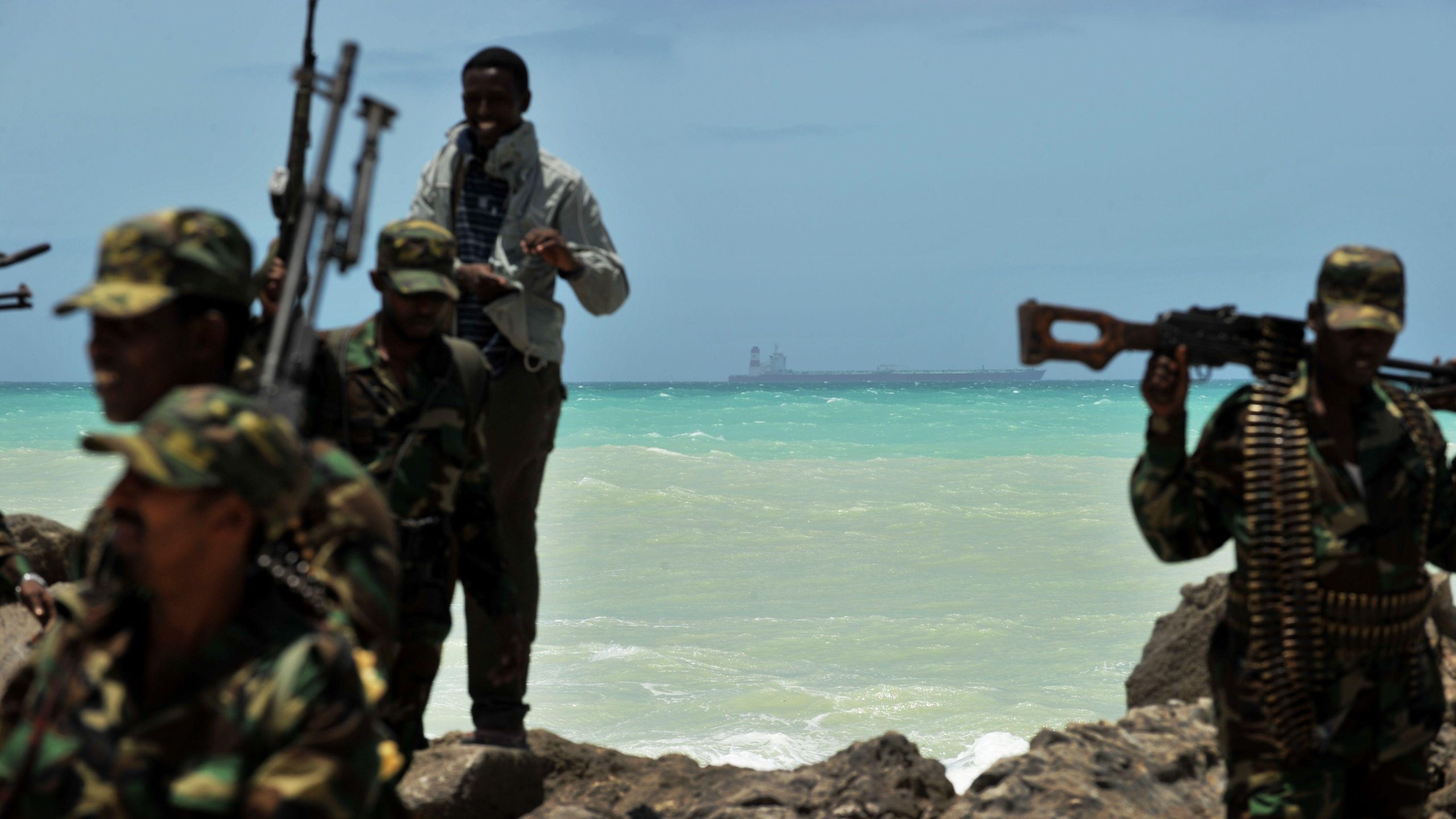
POLICY WIRE — Mogadishu, Somalia — For a time, the international community believed it had successfully exorcised the most persistent specter haunting the Horn of Africa’s maritime highways. The elaborate, multi-national naval patrols — a truly colossal undertaking — had seemingly relegated Somali piracy to the grim annals of history, a temporary blip born of desperation and lawlessness. But the celebratory pronouncements, it now appears, were a touch premature. They often are. Because the ghost in the Gulf of Aden, far from being a mere wisp of memory, is back, solidifying its presence with fresh seizures and a brazen disregard for past deterrents.
The latest stark reminder arrived recently, less a whisper and more a blunt declaration: another commercial vessel, its crew now unwilling participants in a high-stakes game of economic hostage-taking, has fallen prey off the volatile Somali coast. It’s a distressing pattern that mirrors the bad old days, a period when shipping lanes vital to global commerce became perilous gauntlets. The global shipping industry, having breathed a collective sigh of relief for nearly a decade, now finds itself recalibrating risk assessments, diverting routes, and re-evaluating the costs of passage through these historically troubled waters.
Behind the headlines of specific incidents lies a more insidious truth: the conditions that fostered the original wave of piracy haven’t evaporated. Persistent poverty, a fractured central government lacking effective control over its vast coastline, and a general sense of statelessness in certain regions continue to ferment a potent brew of opportunism and desperation. And, of course, the lure of immense ransoms proves perpetually difficult for impoverished youth to resist. It’s an age-old equation, isn’t it?
“We’d achieved a remarkable level of deterrence through sustained presence and coordinated action,” opined Rear Admiral Eleanor Vance, former Commander of Combined Task Force 151, speaking from Washington. “But deterrence is a delicate thing. It requires constant reinforcement. When resources shift, or focus wavers, particularly in regions inherently unstable, vacuums emerge. And nature, as they say, abhors a vacuum. It’s frustrating, watching history repeat itself with such predictable, devastating clarity.”
Still, the stakes feel higher this time. The Red Sea has already become a flashpoint for Houthi attacks, forcing significant re-routing of commercial traffic around the Cape of Good Hope – a longer, more expensive journey. This resurgence of Somali piracy further complicates an already beleaguered maritime logistics network, creating a multi-front challenge that maritime security agencies hadn’t truly anticipated. For nations like Pakistan, whose trade relies heavily on these maritime arteries connecting it to European and African markets, this dual threat translates directly into heightened freight costs and delayed shipments.
“The economic reverberations are immediate and severe for countries like ours,” shot back Pakistan’s Minister for Maritime Affairs, Chaudhry Fawad Hussain, in a terse statement to Policy Wire. “Every additional day a vessel spends at sea, every percentage point insurance premiums climb, directly impacts our import bills and export competitiveness. We’re already contending with global supply chain shocks; we don’t need another self-inflicted wound on the international stage. This isn’t just a regional problem; it’s a global impediment to recovery, a chilling reminder that some threats never truly vanish, they merely lie dormant.” Hussain’s frustration wasn’t feigned; it’s a sentiment echoed across Islamabad’s policy circles.
The International Maritime Bureau (IMB) recorded 33 actual and attempted pirate attacks off the Somali coast in 2011, a number that plummeted to virtually zero in subsequent years thanks to concerted international efforts, only to see a sharp spike with 17 incidents — including two successful hijackings — in the first three months of 2024. This isn’t a blip; it’s a clear trend line pointing skyward, suggesting a more organized, bolder resurgence. And it isn’t just vessels being seized; the potential for illicit trade, from weapons to narcotics — much like the complex smuggling operations seen in Sri Lanka — also looms larger.
What This Means
At its core, this renewed onslaught of Somali piracy isn’t merely a maritime security issue; it’s a profound geopolitical challenge. It forces a re-evaluation of naval deployments, pulling critical assets away from other pressing concerns (like the ongoing Red Sea crisis), thereby stretching already thin resources. Economically, we’re talking about potentially billions of dollars in increased shipping costs, insurance premiums, and diverted routes. This burden ultimately trickles down to consumers globally, manifesting as higher prices for everything from electronics to energy.
the instability it engenders has ripple effects far beyond the immediate shipping lanes. It destabilizes Somalia further, hindering development efforts and perpetuating a cycle of violence and poverty that fuels extremism. For the broader Muslim world, and particularly South Asian nations heavily reliant on these sea lines of communication, it represents a direct economic drain and a strategic headache. It also tests the mettle of international cooperation; can the world muster the political will and financial muscle to re-engage in robust counter-piracy operations, or will a distracted global community allow the ghost to become a permanent resident? We’re about to find out, aren’t we? It won’t be cheap, — and it certainly won’t be easy.